
 The year 2023 was epic for New Jersey, with debates over everything from whales on the beach to students’ and parents’ rights in schools to bitter wars thousands of miles away.
To help mark the holidays, NJ Spotlight News’ staff picked some of our favorite work from the year. Maybe you missed these stories the first time around or just may want to read them again. Take a look at the year (almost) gone by and revisit some of the top events and issues of 2023.
Today, we start with the written word, including a couple of special projects. Next Monday for New Year’s Day, we will highlight our favorite video-based stories.

Feb. 4: We launched a special project examining the Delaware River Watershed and both the threats and opportunities facing this vital natural resource. Straddling four states, the watershed is essentially the water system to more than 10 million people, yet it faces dangers from man and nature alike. The project looked at four key areas of the watershed in New Jersey: the Highlands, the Pinelands, the Delaware Bay, and the urban estuary, along with profiles (and audio) of the species and wildlife.

March 13: Conservationists were angry over how the Division of Fish and Wildlife went about creating habitat in South Jersey for the American woodcock, a species of concern because of its declining numbers. Four conservation groups said thousands of trees were felled and valuable wetlands were damaged at the Glassboro Wildlife Management Area; they wanted an immediate halt to any further activity at the site. Tom Johnson reported the story.

March 14: Kudzu is known as the “vine that ate the South.” The invasive species is not yet widely established in New Jersey but is prevalent enough to concern naturalists. There are already about 20 populations of the vine in the state, and changes in climate favor its further spread. That’s why there’s a move to stop it in its tracks. Jon Hurdle had that story.

April 20: In early spring, a rejuvenated New Jersey Devils ice hockey team returned to the Stanley Cup playoffs. The team’s rise lifted the spirits of fans, but also provided opportunities for the area economy to benefit as well. Madeline Ference and John Reitmeyer reported the story.

May 8: Paterson residents packed St. Luke Baptist Church on the night of May 4 for the first of several listening sessions with New Jersey Attorney General Matt Platkin, one month after his office took over the city’s police department — and two months after police killed Najee Seabrooks. Taylor Jung reported on what Platkin and residents had to say about the highly charged issue of policing in the city.

May 9: Law enforcement agencies have for years been posting harrowing videos of officers collapsing from what police claimed were overdoses caused by brief, incidental exposure to small amounts of fentanyl. News reports and social media have amplified the claims, all while medical experts have said there is very little danger in casual, limited exposure to the opioid and the misinformation is harming public health. Ian T. Shearn traced the origins of the alarm, the New Jersey connection and the doctor who is among those trying to cut through the misinformation.
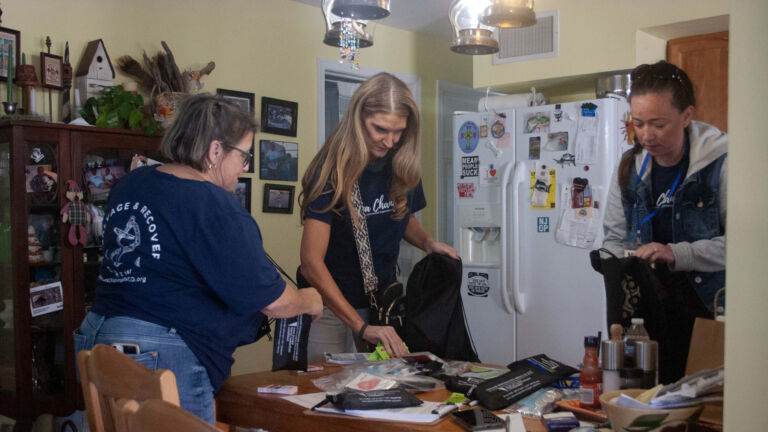
June 5: Among places in New Jersey hit hard by the opioid epidemic is Mystic Island, a small fishing community in Ocean County. On a Sunday in May, members of Not One More NJ — a campaign to bring support and services to people affected by the epidemic — went door to door with overdose rescue kits and information. Bobby Brier tagged along and wrote this story.
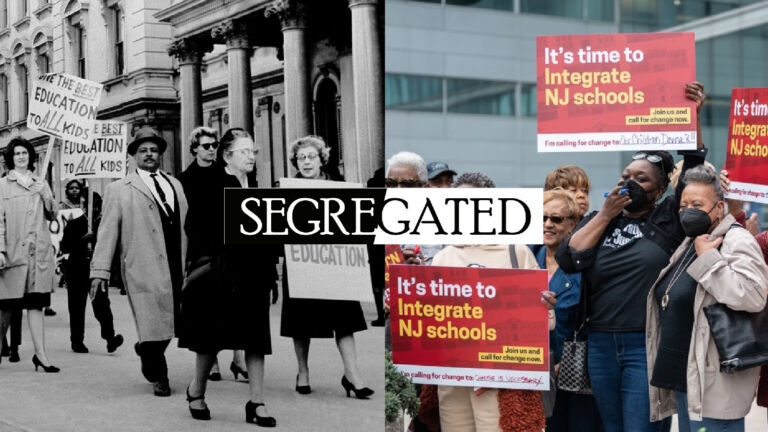
July 11: We launched a special collaborative project titled Segregated that looks at school racial segregation in New Jersey. We teamed up with a dozen other news organizations in the state to bring both local and statewide attention to the issue as a state Superior Court was nearing a ruling on what happens next. We also included a trove of data that allows you to look up the enrollment numbers in your district and schools.
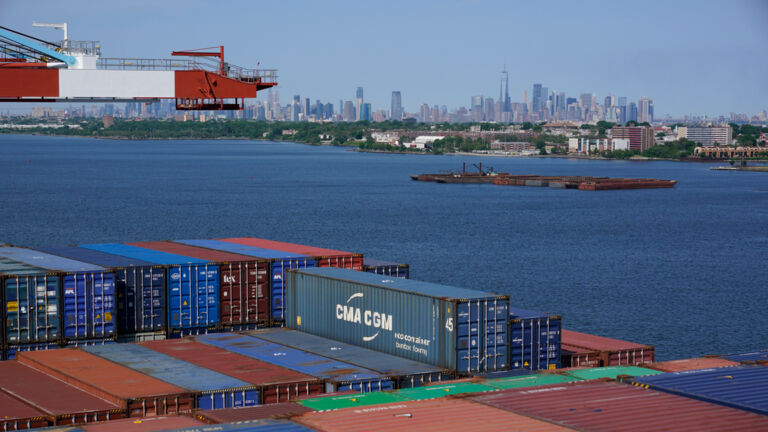
Aug; 14: The administration of Gov. Phil Murphy won the right to withdraw from the Waterfront Commission of New York Harbor, the agency which since 1953 had attempted to police hiring at the ports and curb the influence of organized crime. Now law enforcement at New Jersey ports — where new labor unrest is already evident — falls to the New Jersey State Police. Jeff Pillets examined the changes on the waterfront.

Sept. 5: Details were finally made public at the end of August of more than $1 billion in spending that state lawmakers added to Gov. Phil Murphy’s final draft of New Jersey’s annual budget. The last-minute spending tacked on by majority Democrats helped to inflate the size of the annual budget to a record high. It used to be the resolutions were publicized before the annual budget was signed into law. Not anymore. John Reitmeyer had the story.

Sept. 26: Access to gender-affirming care, and surgery in particular, is limited in the U.S., and political opposition is making it harder for people who are transgender to get treatment. New Jersey, which has sought to protect care options, is home to a growing surgical practice that now has a year-long wait list for some procedures. Report by Lilo H. Stainton.

Sept. 28: New Jersey’s $1 billion agriculture industry depends on roughly 25,000 seasonal and migrant farmworkers. As the effects of climate change intensify, they’re more vulnerable than most to increasing temperatures, but no heat-specific federal or state laws regulate their working conditions. Karen Yi of WNYC/Gothamist and Michael Sol Warren of NJ Spotlight News reported on what farmworkers face and how at least one grower is trying to help them beat the heat.

Oct. 30: New Jersey corrections officials have taken the first steps to close the century-old Edna Mahan women’s prison, which in recent years has been in the headlines for the sexual and physical abuse of inmates. NJ Spotlight News was given a tour of an interim satellite facility where many women have been moved from Edna Mahan. We also toured the sprawling Edna Mahan campus itself, which is set to be shut down when a new prison is built. Colleen O’Dea had all the history and more.

Oct. 31: “Policy 5756: Transgender Students” allows New Jersey school personnel to confidentially discuss with transgender students whether to notify their parents of the student’s gender, name and pronoun changes. Several school districts have repealed the policy amid a growing push for parental notification of gender identity. In interviews with Hannah Gross, students who are directly affected outlined their experiences.