 Credit: (Rob Ferber; NJ Conservation Foundation)
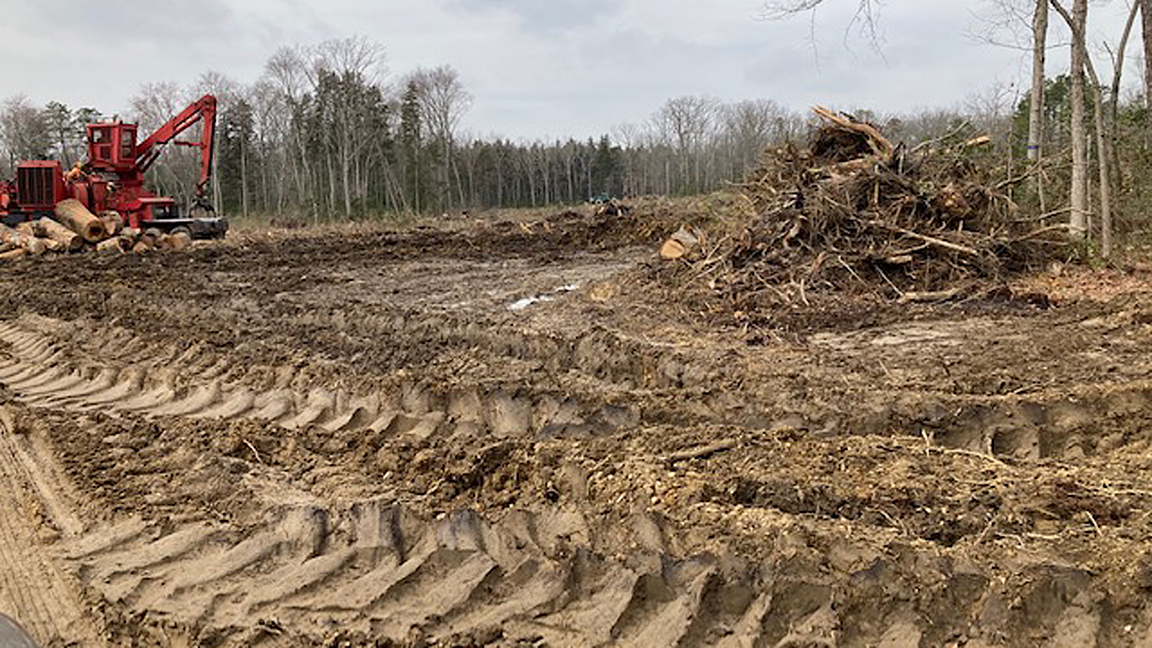
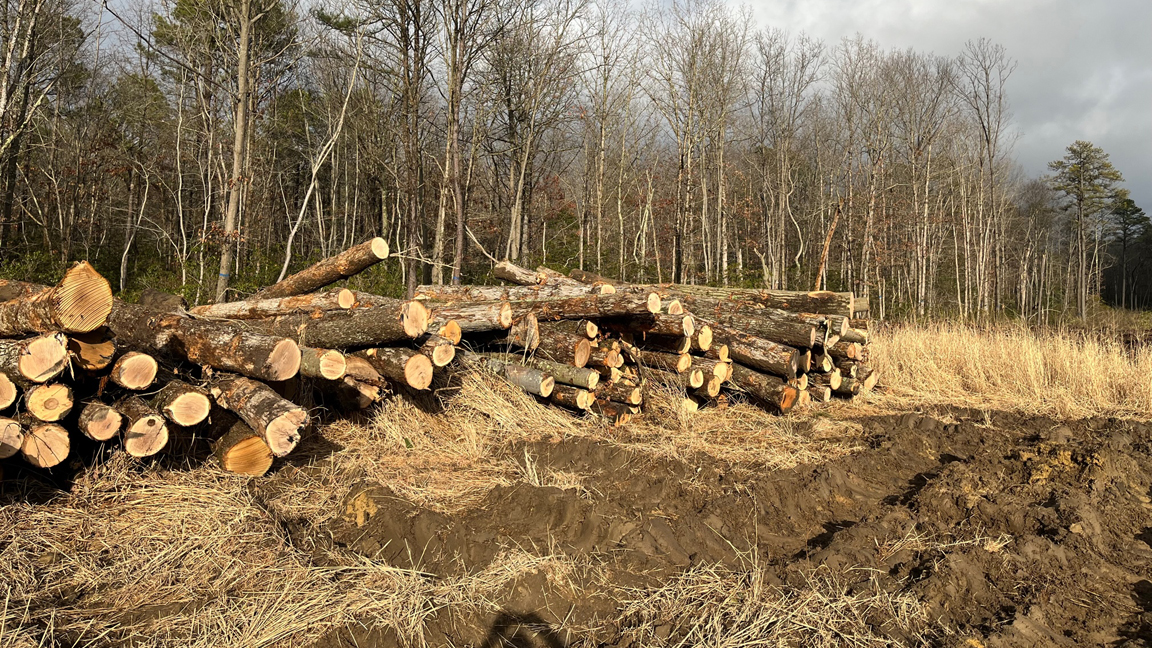
A state project to create new wildlife habitat ended with 21 acres of a mature upland forest cleared, thousands of trees cut down and valuable wetlands damaged at a wildlife preserve, according to conservationists.
The Division of Fish and Wildlife in the Department of Environmental Protection took the action last month in the Glassboro Wildlife Management Area with virtually no public notice and input, conservationists said.
 Credit: (Rob Ferber; NJ Conservation Foundation)
In a letter to DEP, four conservation groups urged an immediate halt to any further activity at the site, part of a 2,341-acre wildlife management area. The protest was signed by representatives of South Jersey Land and Water Trust, Citizens United to Protect Maurice River and its Tributaries, Pinelands Preservation Alliance, and the New Jersey Conservation Foundation.
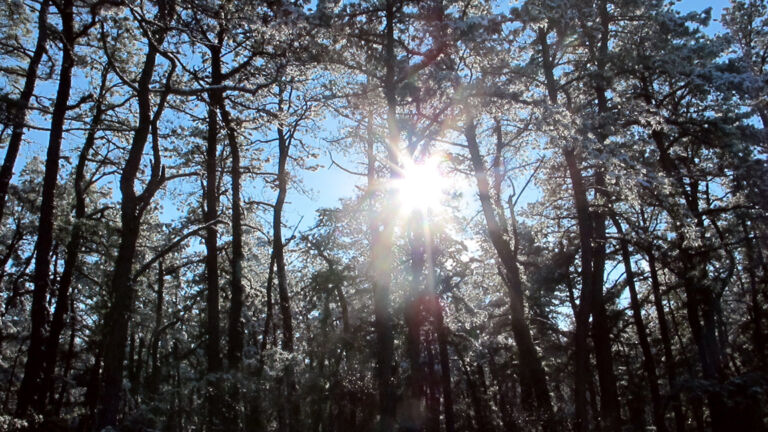
“It is not forestry; it’s land clearing,’’ said Emil DeVito, manager of science and conservation at the New Jersey Conservation Foundation. “This is a pristine intact core forest. We are supposed to be protecting those places.’’ The upland forest provided habitat for barred owl and red-shouldered hawk.
The clearing occurred as a special task force appointed by legislators issued a long report with 16 recommendations on what New Jersey should do to better manage its 2 million acres of forests. Management of forests is a significant issue because they store millions of tons of greenhouse gas emissions; protect drinking water supplies, and provide critical habitat for wildlife and plants.
Violation of state regulations?
With the clearing of the land, the ability for the affected area to return to a forest is gone, said DeVito, who added the activities appear to be violations of state wetlands regulations. A portion of the tract contains vernal pools, essential breeding habitat for amphibians, he said. In this case, the pools supported native woodland frog populations.
 Credit: (Rob Ferber; NJ Conservation Foundation)
According to DEP, the Glassboro project is designed to create habitat needed by the American woodcock, a species of concern in New Jersey and other states because of declining numbers related largely to habitat loss and forest succession — the natural pattern of ecosystem change that takes place over time.
The Division of Fish and Wildlife has suspended activities associated with the habitat enforcement project at the Glassboro Wildlife Management Area to review the potential applicability of DEP’s land use permits in an area where the work is taking placing, according to a statement from the agency.
‘This is a failure on multiple levels.’ — Tom Gilbert, New Jersey Conservation Foundation
Joseph Arsenault, a local ecologist and botanist who has done research on the site, said there are other areas within the management area that are much more suitable for woodcock habitat, including open, wet moist areas the game bird prefers.
As part of the habitat project, the area also will be planted with flowers important to pollinators, such as honeybees, whose numbers also are declining.
Cleared, bulldozed
In their letter of protest to the DEP, the groups said the entire area was cleared with all trees cut and all stumps bulldozed. “All natural resources — plants, animals, soils, and surface geology — have been altered, removed or exterminated,’’ the letter said. They said that in the course of the clearing, two rare plant species were wiped out.
The clearing demonstrates that plants do not matter when the fish and wildlife division is dealing with wildlife issues, according to Jaclyn Rhoads, assistant director of the Pinelands Preservation Alliance.
 Credit: (Rob Ferber; NJ Conservation Foundation)
The division claimed that approximately 21 acres of American woodcock habitat would be created via the creation and management of meadow habitat with moist soils. That assertion is implausible since the site is not prime location for woodcock habit, according to Arsenault.
“There are likely many better options to create woodcock habitat,’’ added Tom Gilbert, co-executive director of the New Jersey Conservation Foundation. “This is a failure on multiple levels,’’ he said, beyond violating their own wetlands regulations.
For Gilbert, who served as a co-chair of the recent task force on forest management, the action taken by the division illustrates the deficiencies in how the state oversees its stewardship of woodlands. “You can’t trust the DEP to do the right thing,” he said.
The department must be required to follow stringent rules for any projects that alter public forestlands and to notify and consider input before moving forward on those projects, he said.