 Credit: (AP Photo/Julia Nikhinson)
WASHINGTON – The margin for error for Republicans in Congress was slim before the unexpected death Tuesday of Doug LaMalfa, a conservative rice farmer from northern California: 220 to 213.
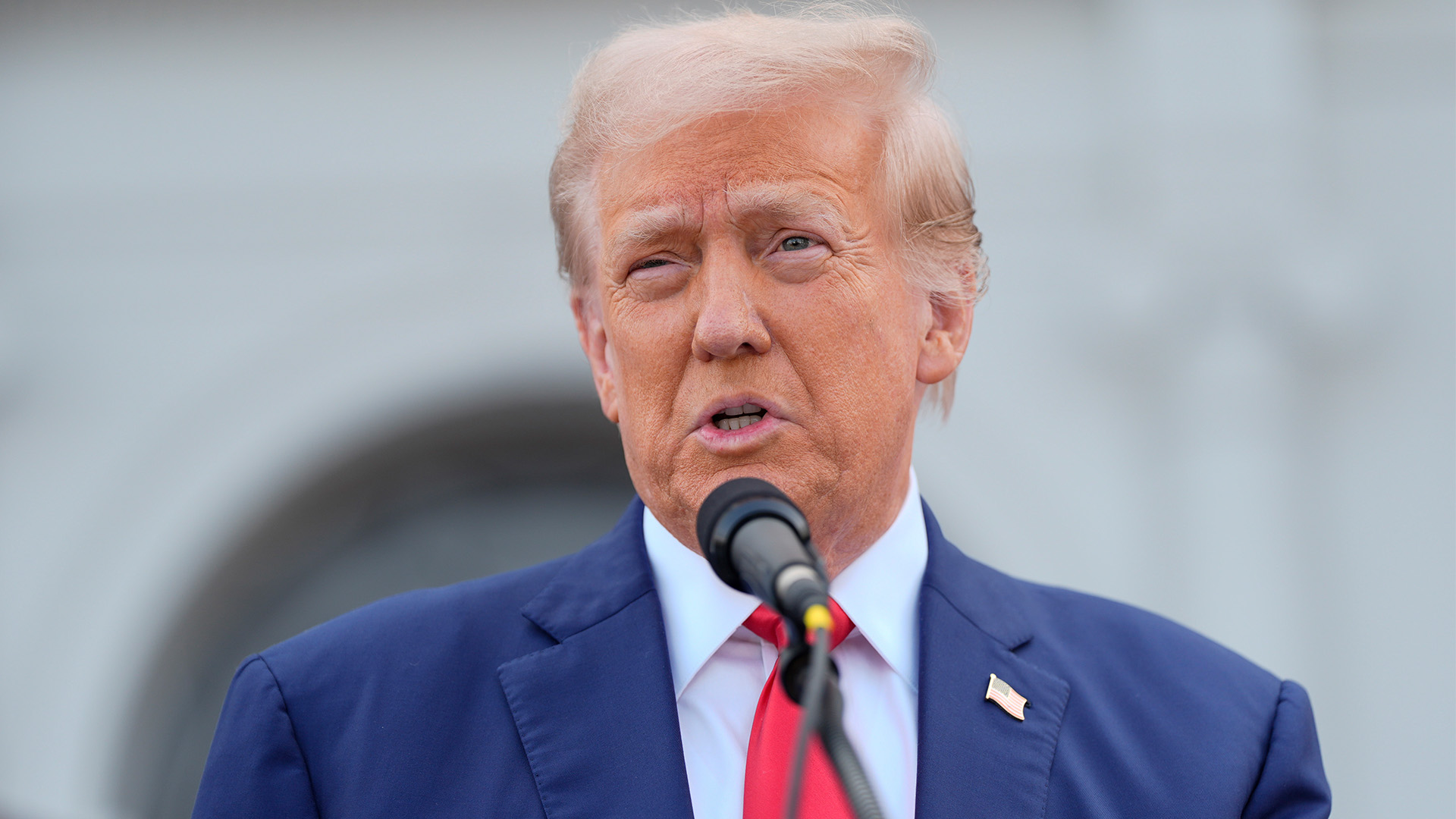
Along with the resignation Monday of Marjorie Taylor Greene, a former supporter of President Trump who held a Georgia seat, LaMalfa’s death means House Republicans can lose two votes on a given bill and still pass it. “It’s not a big majority,” Trump said when asked about LaMalfa’s death. “But it’s a unified majority, and it’s people that know what it takes to make America great again.”
There are four vacancies in the House, including the former seat of Mikie Sherrill, New Jersey’s governor elect.
Facing a challenging mid-term election period this November – the president’s party on average loses 28 seats in the House of Representatives – Trump and Republicans in Congress, who hold control of both the House and Senate, show no signs of breaking from the swaggering governance style they embodied in 2025, both state-side and abroad.
“Nobody can take us. Nobody,” Trump said Tuesday, days after ordering a military raid to seize Venezuelan president Nicholás Maduro.
Once he became America’s 47th president, in January 2025, Trump governed with a bare-knuckled approach, in particular on immigration and defense policy.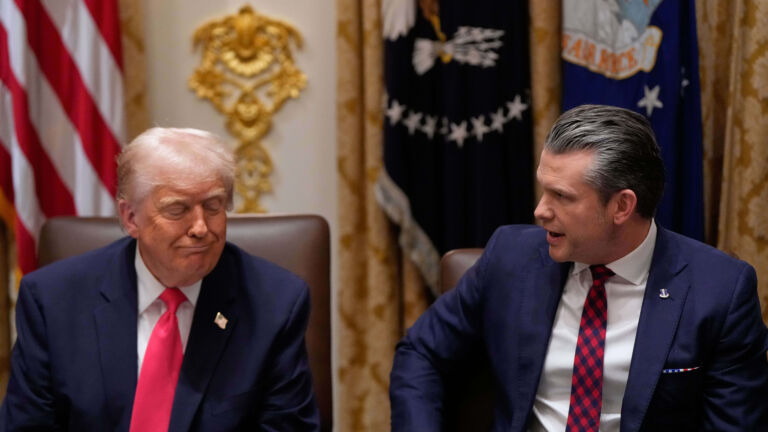
Backed with an immense public following, the commander in chief trained his ire against Democratic-leaning states, like New Jersey, where his administration canceled offshore wind projects, targeted climate grants, threatened transit projects and moved to jail Democratic officials. In the fall, after a group of lawmakers urged U.S. troops to disobey unlawful commands, Trump called their actions “seditious behavior, punishable by death.”
Domestically, Trump and his political allies punished critics, including Rep. LaMonica McIver (D-10th), the target of a federal prosecution in Newark, and a New York senator over the Gateway train-and-tunnel project. He subverted the checks and balances built into the U.S. system of government, notably by installing loyalist Alina Habba without seeking her confirmation before the Senate. He refused to rule out a third term in the White House, something the U.S. Constitution bans. He and budget officials repeatedly broke the law, according to non-partisan watchdog groups, including by cancelling public-health grants. And he has surrounded himself with the trappings of a king: a military parade in the summer on his birthday, the bulldozing of the White House’s East Wing for a ballroom in his name and banners of his face on federal buildings.
“It’s just been so chaotic,” McIver said in an interview with NJ Spotlight News. “I never thought a bunch of grown people would not be able to work together for the betterment of the millions of people we serve.”
Workers in December hammered new letters, adding Trump’s name, into the facade of the John F. Kennedy Memorial Center for the Performing Arts in Washington – an act that drew legal challenges in federal court.
Though Trump campaigned in 2024 as a populist promising to lower costs for the average American, his signature bill Congress passed into law will benefit the rich and hurt the poor, according to economic analysts.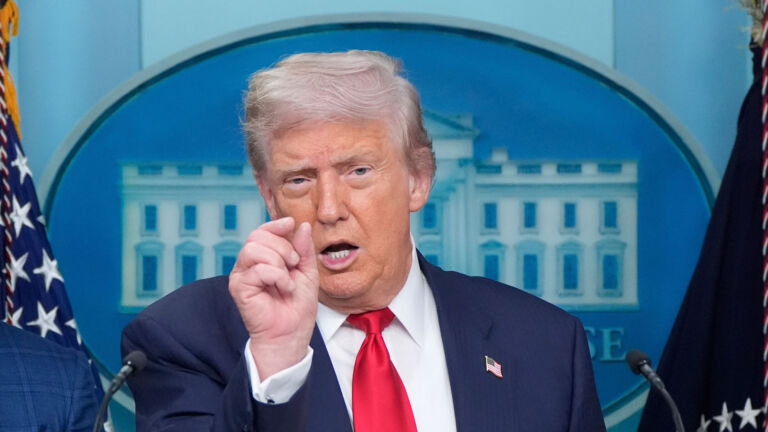
“This is a reverse Robin Hood,” Peter Chen, senior policy analyst at the think tank New Jersey Policy Perspective, said in an interview with NJ Spotlight News. “It is taking money from people who need it the most and giving it to people who need it the least.”
The wealthiest 10% of households will get an average of $13,600 in benefits annually because of the new law, while those in the lowest 10% of the economic system will lose roughly $1,200 each year.
At the same time, that law will remove about 400,000 people in New Jersey from the U.S.’s largest anti-hunger system, the Supplemental Nutrition Assistance Program, or SNAP, which provides benefits of $6 a day on average.
Historically, states have not paid the costs to implement SNAP – something the new law changed. And New Jersey is in a small category of states that may be required to pay extra, under language Republicans included during the marathon summer negotiations on the bill.
State legislators in Trenton and Sherrill, a former Democratic House member and the incoming governor, are bracing for the impact the cuts to SNAP and Medicaid, the federal health insurance system for the low-income and disabled, will deliver to the New Jersey state budget.
“I think it’s probably fair to say this is the most significant federal legislation affecting Medicaid since the Affordable Care Act was enacted in 2010,” Greg Woods, assistant commissioner at the department, said after passage.
When they wrote the law, Republicans in Congress front-loaded tax breaks for people and held off cuts to these food and health programs, a strategy that may shield their party at the ballot box in November.
“The mindset was just to get people really used to it, to get the states used to having to be more efficient and for the system to work better,” said Rep. Jeff Van Drew (R-2nd).
On the environment, Trump and his fellow Republicans in Washington have rescinded or watered down much of the Biden administration’s environmental legacy.
Beyond phasing out tax credits for renewable energy, such as a popular incentive for rooftop solar power, the Trump administration moved to eliminate the legal justification that allows the U.S. to regulate greenhouse gases altogether.
While Congress made sweeping changes to the economy through the Republican tax law, the Trump administration made policy changes that will touch the lives of regular people. It ended a federal program that allowed people to file their taxes for free. It undid a rule that would have limited overdraft banking fees to $5. And it threatened the future of the Gateway project, a lifeline for passenger and freight rail in the Northeast.
“The first thing that comes to mind is Trump’s decision with respect to the Gateway tunnel,” Rep. Nellie Pou (D-9th), reflecting Trump’s second term so far, said in an interview with NJ Spotlight News. “That’s a huge, monumental problem for us.”
During his first term, Trump threatened to launch a barrage of tariffs – taxes on imported goods, passed on to the public. But his economic advisors generally talked him out of it. That was not the case in 2025.
Last year, in an effort to take back wealth “stolen” from the U.S., Trump, who as president can unilaterally impose or end tariffs, issued a barrage of tariffs on countries worldwide that cost the average U.S. household $1,200, according to research Democrats on the Joint Economic Committee, an arm of Congress, released last year.
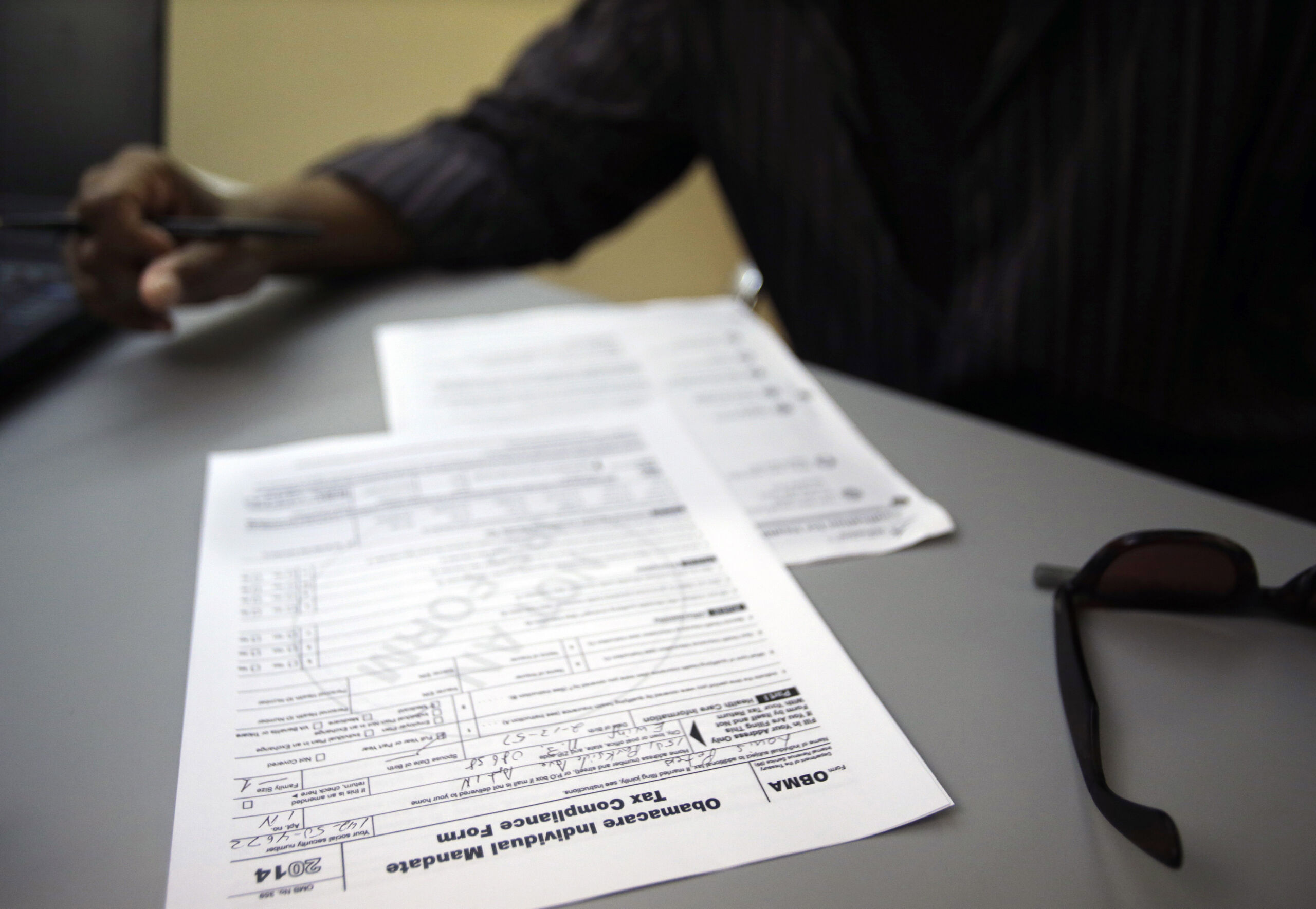
“There’s obviously an endless litany in the ways people’ve been impacted by [Trump],” Rep. Josh Gottheimer (D-5th) said in an interview with NJ Spotlight News. The tariffs and rising health care costs, after Congress declined to extend subsidies for the 2010 health law known as Obamacare, dominated last year, Gottheimer said.
“There’s nothing that hasn’t been impacted by that,” he said of Trump’s tariff agenda.
Premiums for New Jersey patients covered in the 2010 law will rise an average of 15.9% this year, from 2025 prices, according to state officials. Members of Congress are trying to find a way to extend the subsidies for the health law, a path to passage is hazy.
Perhaps the most striking changes with Trump back in Washington for New Jersey, where about 25% percent of residents were born in another country, came on immigration policy.
The administration moved hundreds of thousands of people through the federal immigration detention system last year and shows no signs of stopping.
The White House is eyeing Roxbury Township in Morris County for a possible new detention center, in addition to the use of a military base in South Jersey to hold then deport immigrants.
Asked this week about Republicans’ chances in the mid-term elections, Trump talked up his immigration policies. “We can’t let them forget that we did such a great job on the border.”