
 Credit: (NJDOH)
Doctors and harm-reduction advocates across the state who have worked with Dr. Kaitlan Baston say her nomination to lead the state Department of Health is a great choice.
“We have an addiction curriculum for our students thanks to her work,” said Dr. Annette Reboli, the dean of Cooper Medical School of Rowan University where Baston works as an associate professor of medicine. “And I think she’ll continue with that. This remains a big problem in the state of New Jersey, but I think she’s the type of person who could address other issues. If we have an epidemic or another pandemic, in short order, I think she’ll be able to really rise to the occasion and address these concerns.”
Last week, Gov. Phil Murphy announced his intention to nominate Baston as the commissioner of the state Department of Health. She will assume the role of acting commissioner in August, following the retirement of health commissioner Judith Persichilli, according to the governor’s office. Persichilli announced her plans to retire in August after four years of leading the department, a tenure that included managing the COVID-19 pandemic.
Questioning Baston’s experience
But some health care leaders wondered about how effective Baston can be, given her fairly limited experience in government, and wonder how much she will be able to accomplish given the limited time remaining in Murphy’s administration. Murphy ends his second and final four-year term in January 2025.
More on the reaction to Dr. Baston’s nomination
And there is the fact that Baston’s experience has largely been in addiction medicine — a specialty licensed through the health department but primarily regulated by the state Department of Human Services — while much of the work of the health department involves dealing with hospitals, nursing homes and doctor’s offices. Persichilli, a nurse, had run a large multistate hospital and had some government experience. Most health commissioners in recent decades have come to the job with extensive experience in government policy or academic medical systems or both.
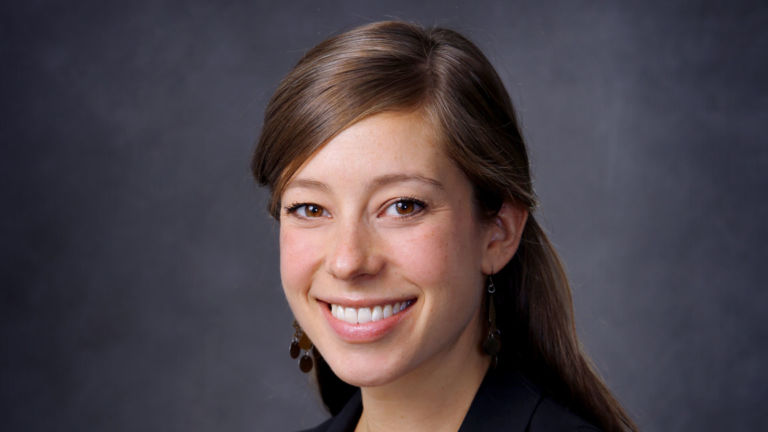
Dr. Kaitlan Baston would replace Judy Persichilli, who is leaving after four years
Baston currently serves as the division head of addiction medicine, medical director for the Center for Healing, which she founded, and as medical director of government relations at Cooper University Health Care in Camden. The Center for Healing offers integrated pain, addiction and behavioral health care, an inpatient addiction consulting service, outpatient specialty clinics, a perinatal substance-use disorder program and undergraduate and graduate medical education in addiction medicine and research.
In addition to her teaching duties at Cooper Medical School, she is board-certified in both family and addiction medicine. Baston is also an educator and consultant for Zero to Three, an organization that focuses on ensuring all babies and toddlers have a strong start in life.
In tune with NJ’s needs
Health care professionals like Dr. Amesika Nyaku, an assistant professor at Rutgers New Jersey Medical School, say Baston is “tuned into” some of the most pressing needs that New Jersey has in terms of health.
“I think that she also has a very clear understanding of what it takes for quality care to happen and that it’s not something that only one type of medical professional can do,” said Nyaku, who has worked with Baston since 2019 at medication-assisted treatment centers in the state. “And that we really need to break down silos and have all sorts of medical professionals working together to get the best outcomes from patients,” said Nyaku.
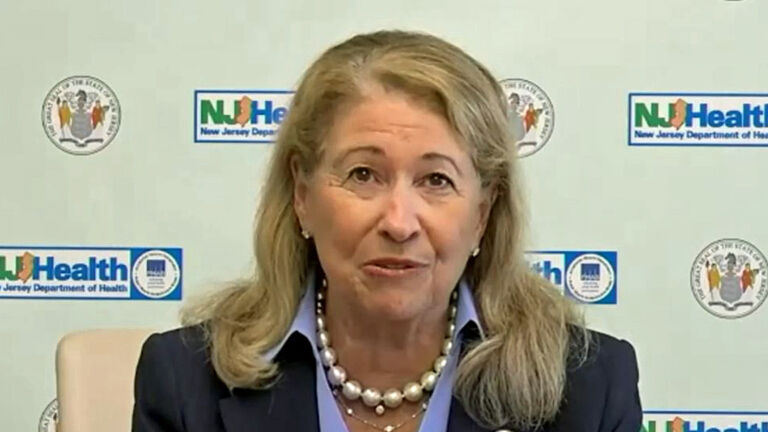
No one better represented NJ’s battle against COVID-19, though critics sniped at her for policies and precautions they took exception to
Baston has been one of the “co-leads” for the Southern New Jersey Medication-Assisted Treatment (MAT) Center of Excellence, according to Nyaku, who serves as co-director for the northern New Jersey branch of this facility.
The northern center, based in Newark, was created by the state Department of Human Services and aims to increase access to medication-assisted treatment and recovery support services for people with substance-use disorders in northern New Jersey by educating and mentoring providers in the community and in health care systems.
Health care professionals and harm-reduction advocates in the northern part of the state have welcomed the appointment of Baston to the leadership role.
“I do not know her personally, but her resume is strong, she’s well respected in the behavioral health community, and to my knowledge, she’s the first New Jersey commissioner whose specialty is in addiction medicine,” said Jim Gonzalez, president and CEO of Broadway House, a long-term care facility in Newark, who spent years working in the state’s academic medical system. “All good attributes to have at this moment in time,” he added.
“We welcome the appointment of anyone who is able to recognize that individuals who are suffering from substance-use disorders, what they need is support, care and resources and not incarceration or to be forced into programs that they are not ready for at that moment,” said Zellie Thomas, the executive director of the Black Lives Matter Paterson Harm Reduction Center. Thomas added that hopefully Baston also recognizes the racial disparity associated with overdoses and is willing to work with organizations on the ground to provide them the resources to combat that disparity.
Likely timeline
Health care professionals in southern New Jersey who have worked with Baston on addiction committees say that she is “very down to earth and easy to talk to” while also having “a wealth of knowledge.”

“When I first got on the committees, sometimes doctors can have an air about them and she does not have that air,” said Georgett Watson, the chief executive officer for the South Jersey AIDS Alliance, which runs Oasis Harm Reduction Center in Atlantic City. “She just sits in with everybody, treats us all as equals and has an open and honest conversation about whatever we’re discussing, which is something that’s very refreshing,” said Watson, who sits on the Cape May County and Camden & Cumberland Counties Addiction Breakfast Club committees with Baston.
The breakfast clubs are county-based “learning collaboratives” that focus on supporting and mentoring community medication-assisted treatment providers and aim to link them to local community-based recovery support programs.
The governor’s office must wait for a Senate quorum in order to officially forward Baston’s nomination to senators to consider and approve her posting. Murphy’s office said it expects to be able to formally submit the nomination in November.
“I applaud Gov. Murphy for selecting Dr. Kaitlan Baston to be the next Commissioner of the New Jersey Department of Health,” Cathy Bennett, the president and chief executive officer of the New Jersey Hospital Association, said in a statement. “Dr. Baston is a dynamic leader whose background as both a practicing physician and as an assistant professor at the Cooper Medical School of Rowan University will serve her well in this pivotal role. On behalf of NJHA and our 400 members, we look forward to working with Dr. Baston on the many challenges facing the health care industry and finding new opportunities to provide the best care to the people of New Jersey.”

