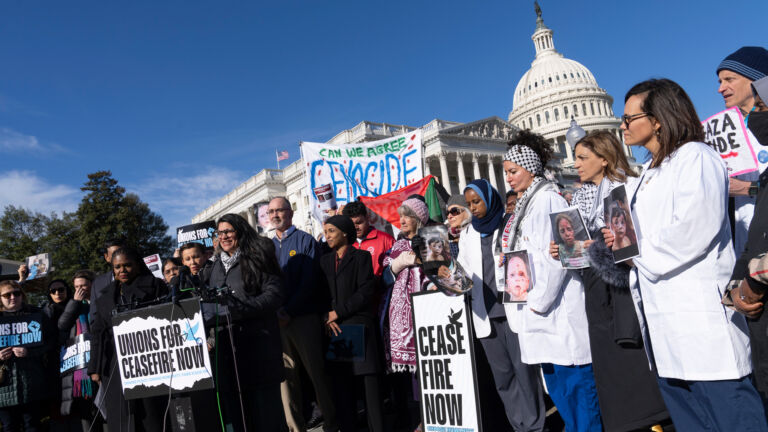
In a major breakthrough on Wednesday, Israel and Hamas agreed to a ceasefire deal that will pause their fighting in the Gaza Strip and lead to the phased release of Israeli hostages and Palestinian prisoners.
The deal — which was brokered by the United States, Qatar and Egypt — includes plans for a limited withdrawal of Israeli troops from the enclave and a surge in humanitarian aid there. It opens a pathway to end a 15-month war after immense casualties and destruction and threatened to spark a massive regional conflict.
According to reports, the first phase of the ceasefire could start this weekend when Hamas is expected to release 33 hostages. That pause in violence would last for six weeks. During the second phase the ceasefire would continue while the remaining hostages and prisoners are set free. A third phase would include establishing a new government and security structure for Gaza, as it has largely been destroyed by the fighting. Israeli officials believe 98 hostages remain in Gaza and about 60 are still alive, including Tenafly native Edan Alexander.
“The exact details of the agreement are a little bit unclear. We know that in broad terms it looks like the agreement that the Biden administration had on the table in May,” said Michael Boyle, an assistant professor and expert on U.S. policy in the Middle East at Rutgers-Camden.
“Whether that’s the full end of the war or a substantial reduction in violence or a cessation of hostilities with a kind of asterisk next to it, [it] is a little bit unclear,” Boyle added.
After so many other failed attempts at a ceasefire agreement, why did Hamas agree to a deal now?
“In part, it might be having to do a little bit with the change in the U. S. administration, right?” Boyle said. “If Hamas is beginning to look at the onset of a Trump administration, it’s not clear that the Trump administration abides by a deal that the Biden administration signed.”
“So, if you’re Hamas and you’re looking at a deal that you can more or less live with, there is an argument to sign it before the Trump administration comes into effect,” he continued. “We also know the Trump administration has been relatively aggressive in saying this should be done and the hostages should be released by Jan. 20 or there will be hell to pay.
“Whatever that exactly means is not quite clear, but you could be anticipating a much more tough approach from the Trump administration if you’re Hamas, in which case you take the deal on the table that the Biden administration’s offered.”