Credit: (AP Photo/Julio Cortez, File)
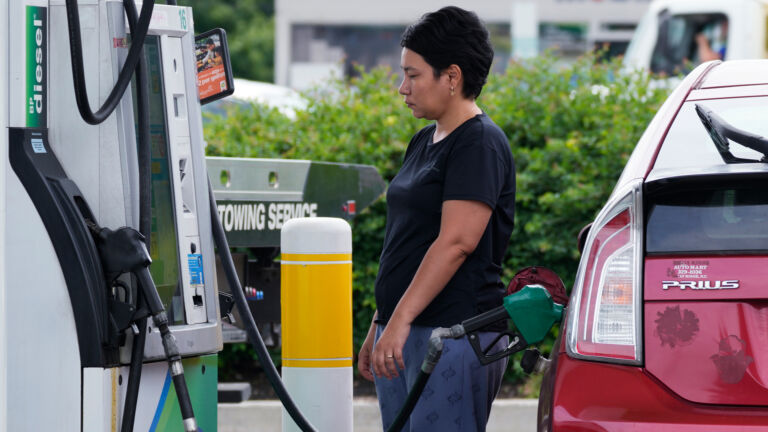
New Jersey’s per-gallon gas tax will increase by 2.6 cents, starting on Jan. 1, according to officials from the state Department of the Treasury.
The rate hike will bring the state’s per-gallon levy to 44.9 cents for gasoline, and 51.9 cents for diesel fuel, Treasury officials said.
The tax increase is required under state law to ensure there is adequate funding for ongoing statewide transportation-infrastructure investments.
Last month, top state public-finance officials held a legally required meeting to go over the latest fuel-consumption trends. They determined a rate hike was needed, in part to meet an increased revenue target for the gas tax that was put in place earlier this year by Gov. Phil Murphy and fellow Democrats who control the Legislature.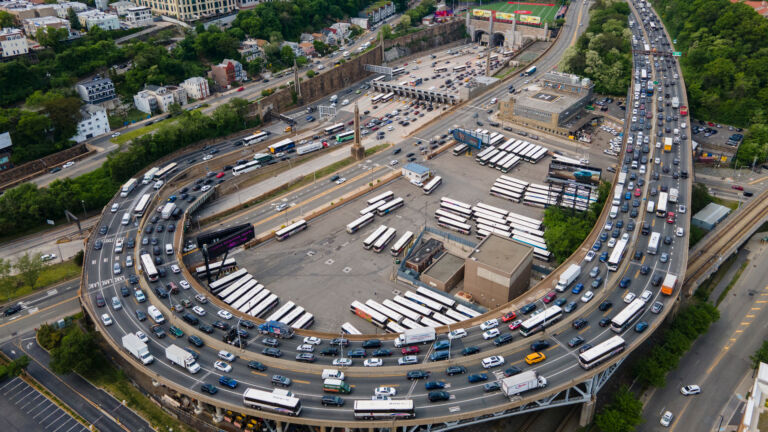
“Based on our review of the consumption data, combined with the requirement to meet the new statutory target, we have determined that the new formula dictates a 2.6 cent increase this coming January,” said state Treasurer Elizabeth Maher Muoio in Monday’s announcement.
Gas and diesel
In New Jersey, the gas tax is levied on the volume of gasoline or diesel fuel purchased, not as a percentage of the per-gallon price of fuel itself. That means the state will collect the same amount of revenue from motorists for every gallon of gas or diesel purchased at the pump, regardless of that day’s price. Baked into the per-gallon cost of gasoline in New Jersey are gas taxes levied by both the federal and state governments.
At the federal level, the per-gallon rate is 18.4 cents. The federal gas tax was last changed in 1993.
The gas tax, which is often referred to in state law as the ‘highway fuels tax,’ is actually two separate taxes levied on the sale of gasoline and diesel fuel.
For New Jersey, the state gas tax was last increased a little over a year ago. That increase of a nearly one-penny rate hike, for both gasoline and diesel, occurred after fuel consumption fell slightly short of targets heading into a late-summer analysis required by the law at the time.
The gas tax is the primary source of revenue for New Jersey’s Transportation Trust Fund, an account that is separate from the state budget that funds billions of dollars in annual spending on road, bridge and rail infrastructure improvements.
Earlier this year, when the trust fund, or TTF, came up for renewal, Murphy and Democratic legislative leaders reauthorized the fund for another five years, allowing for more than $10 billion in new spending on road, bridge and rail projects.
Fee on zero-emission vehicles
Among the new wrinkles written into the latest TTF reauthorization was a new registration fee for zero-emission vehicles that went into effect on July 1, to raise additional cash for ongoing transportation-infrastructure investments.
Initially set at $250 per year, the fee is set to increase annually until hitting $290 in 2028, according to the reauthorization law.
‘We are pleased that this dedicated funding stream continues to provide billions of dollars across the State to support our critical transportation infrastructure needs.’ — state Treasurer Elizabeth Maher Muoio
In addition to the gas tax and the zero-emission vehicle fee, other sources of revenue for the trust fund include a portion of the state sales tax and contributions from state toll-road authorities.
The gas tax, which is often referred to in state law as the “highway fuels tax,” is actually two separate taxes levied on the sale of gasoline and diesel fuel. They are the state motor fuels and the petroleum products gross receipts taxes.
Future increases likely
The latest TTF reauthorization law also moved the annual analysis of the highway fuels tax collections from Aug. 15 each year to Nov. 15.
The analysis is conducted by the state treasurer and the top fiscal official from the nonpartisan Office of Legislative Services.
Because of the new TTF law, changes to the rate that used to go into effect each year on Oct. 1 now take effect annually on Jan. 1.
Meanwhile, the same law also established a new set of annual highway-fuel revenue targets, starting with $2.03 billion during the 2025 fiscal year and increasing to $2.37 billion by the 2029 fiscal year.
Legislative estimates released earlier this year predicted the gas tax would likely need to go up by roughly 2 cents annually between 2025 and 2029 to keep pace with the respective annual revenue targets set in the TTF law.
“We are pleased that this dedicated funding stream continues to provide billions of dollars across the State to support our critical transportation infrastructure needs,” Muoio said on Monday.