
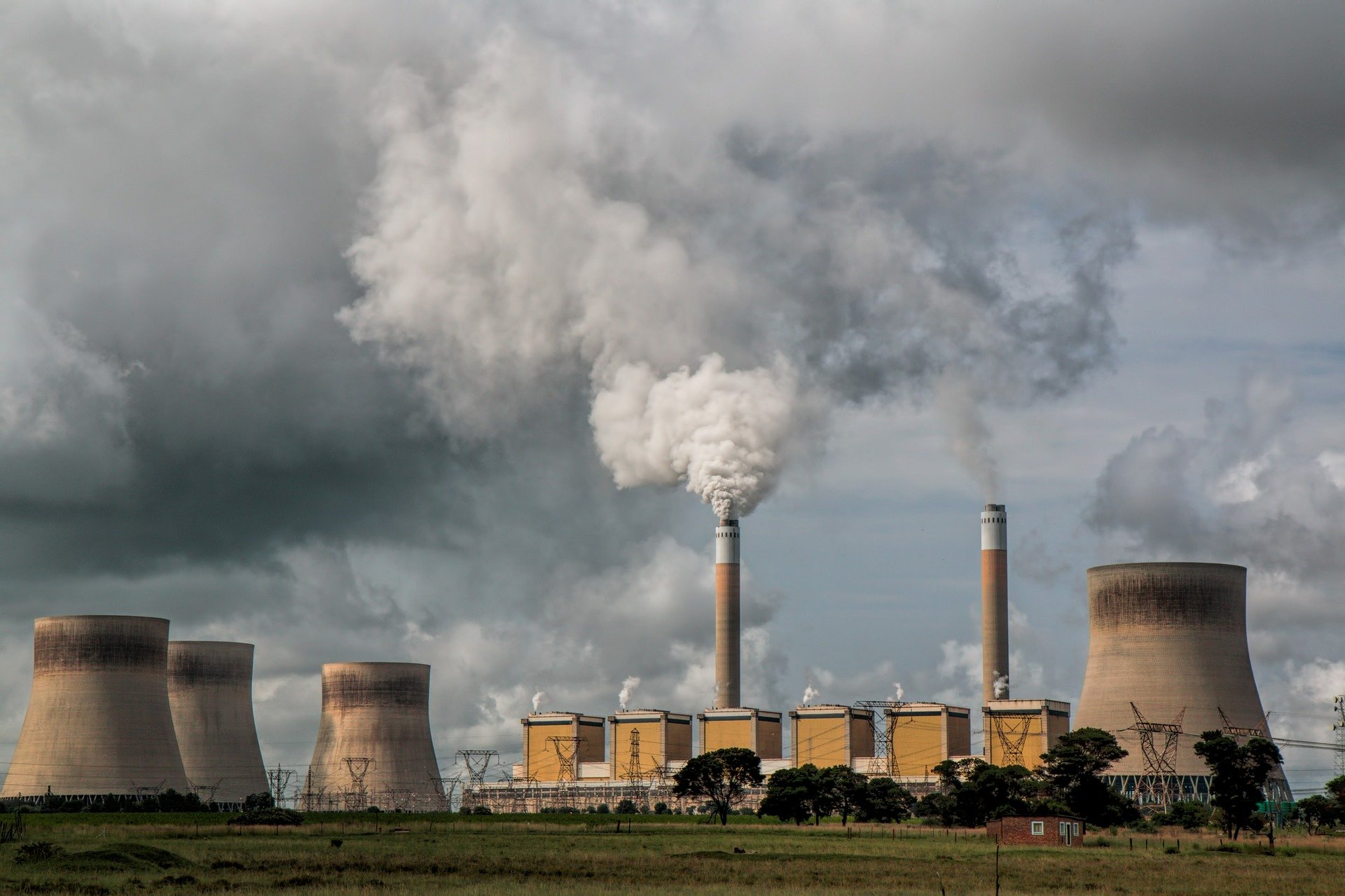
 Credit: (Steve Buissinne via Pixabay)
For the first time, legislators voted to force the state to end pension investments in the fossil fuel industry, while also tweaking New Jersey’s five-month-old ban on single-use bags.
Both actions proved controversial as opposition emerged, leading to questions whether either will make it into law. The requirement to end investing in 200 of the largest fossil fuel companies narrowly passed a 3-2 vote Thursday in the Senate Environment and Energy Committee, which also voted out changes to the current ban on single-use plastic and paper bags. That vote came amid concerns by some that it is premature to revise a law that’s only five months old.
Clean-energy advocates have sought a prohibition against state investment in fossil fuel companies for the past few years, especially given signs that the climate crisis is worsening. They have pressed the independent counsel that oversees the state pension funds to end those investments with little success.
Sen. Bob Smith, the bill’s sponsor and chairman of the committee, called the climate crisis “existential,’’ adding the state needs to send a signal that it must move away from its reliance on fossil fuels. “We’ve got to do things differently,’’ said Smith (D-Middlesex). “The clock is ticking. We don’t have much time left.’’
Still backing fossil fuels
Others differed. Sen. Edward Durr (R-Gloucester), who voted no, called the move to divest from fossil fuel companies tantamount to the government “picking winners and losers,” a policy it should avoid.

Five months after it went into effect, lawmakers plan changes because consumers balked at bag glut
Many in the business community agreed. Dennis Hart, executive director of the Chemistry Council of New Jersey called the step “short-sighted,’’ noting that many of these same companies are among those exploring what new technologies can replace fossil fuels.
“Now is not the time to reduce investment in these companies,’’ he said.
Ray Cantor, a vice president of the New Jersey Business & Industry Association, warned use of fossil fuels is not going to end anytime soon, adding it is likely that the state will continue to rely on them for decades, particularly natural gas.
But Barbara Pal of Divest NJ argued fossil fuel companies have no intention of reducing emissions contributing to climate change. “It won’t happen unless the Legislature votes on this bill,’’ she said.
Tweaks to bag ban
In changing the ban on single-use bags, the committee voted to make a series of mostly modest changes to the bill enacted in 2020. Most affect only a small segment of the public, primarily those using grocery delivery services or regularly buying take-out food, many of whom complain of having plastic reusable bags pile up in their homes.
But they represent only 2% of customers affected by the ban, according to Smith, who contended the law has been a phenomenal success, a claim seemingly backed up by the New Jersey Food Council, which opposes any changes.
The organization polled 160 grocery stores and found that millions of plastic bags have been eliminated from the waste stream each month, along with paper bags. The council opposed a provision allowing the continued use of reusable plastic bags, a provision questioned by backers of the ban.
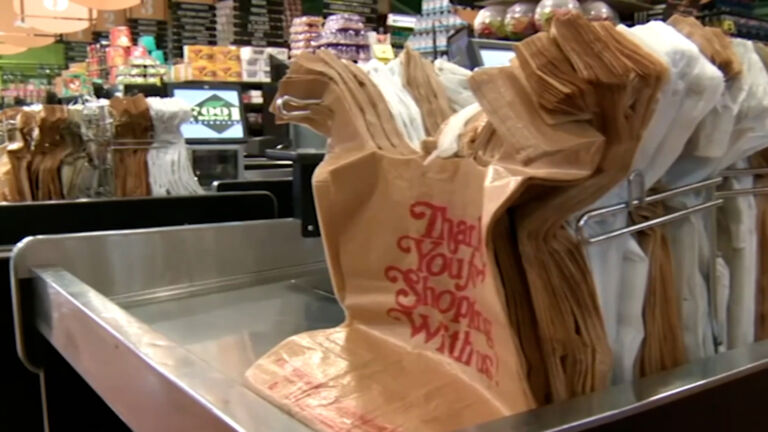
Monmouth University poll also finds some would still like to have access to plastic bags for a small fee
“The reason to ban single-use bags is not to allow more single use of the bags,’’ said Eric Benson of Clean Ocean Action.
Instead of a five-year extension to allow the industry to come up with alternatives, the committee changed it to three years — longer than the one-year extension desired by proponents of the original law.
The amended law gives consumers more options in how grocery deliveries and takeout food can be delivered to them, including requiring reusable bags be picked up and and recycled by the delivery service.
