— Editor’s note: In the video posted above, Carolyn Kousky discussed how annual pricing for Flood Insurance premiums is based on a given year’s level of flood risk, irrespective of future projections. Kousky did not use the phrase “short-sighted,” and she says that her criticisms of Risk Rating 2.0 involve concerns around its affordability.
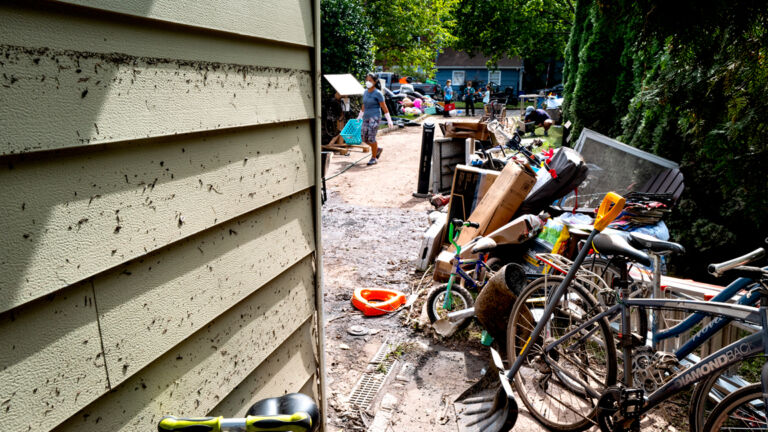
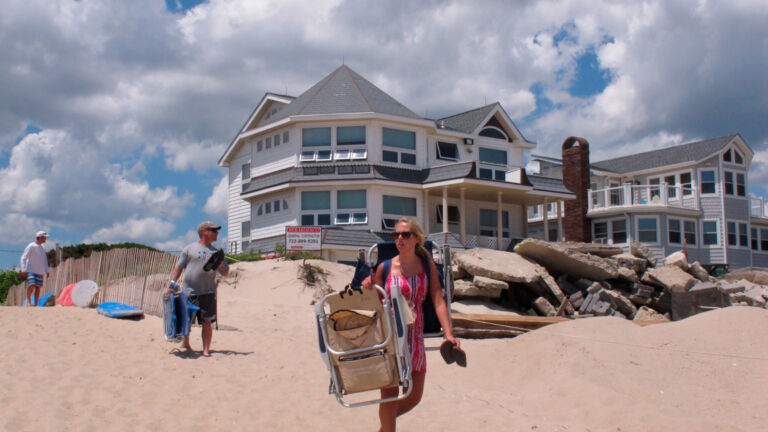
Doug Quinn barely survived Superstorm Sandy and his Toms River home was destroyed. Quinn, executive director of American Policyholder Association, had a quarter-million dollars in insurance. It took seven years for him to be paid in full and finally rebuild his home, but only after catching a break when another family sued their insurance company after learning they were being defrauded. The ensuing investigation also produced proof that Quinn’s insurance company knowingly withheld money that should have been paid out.
Cases like Quinn’s have shaken people’s faith in the National Flood Insurance Program, or NFIP, which has undergone several changes in the years since Sandy, including a new pricing model called Risk Rating 2.0.
According to the Federal Emergency Management Agency, the new ratings mean homeowners will pay their fair share of the risk based on a property’s unique flood risk as well as the cost it would take to rebuild. But Risk Rating 2.0 has its detractors. Author Carolyn Kousky says it’s short-sighted, and Rep. Frank Pallone (D-6th) says it’s too expensive.
While Sen. Bob Menendez (D-NJ) has sponsored a bill that would overhaul the National Flood Insurance Program, Pallone isn’t optimistic that Congress can agree on a fix. “If you’re in a coastal area, Republican or Democrat, you support it. If you’re in Wyoming, you might not,” he said.