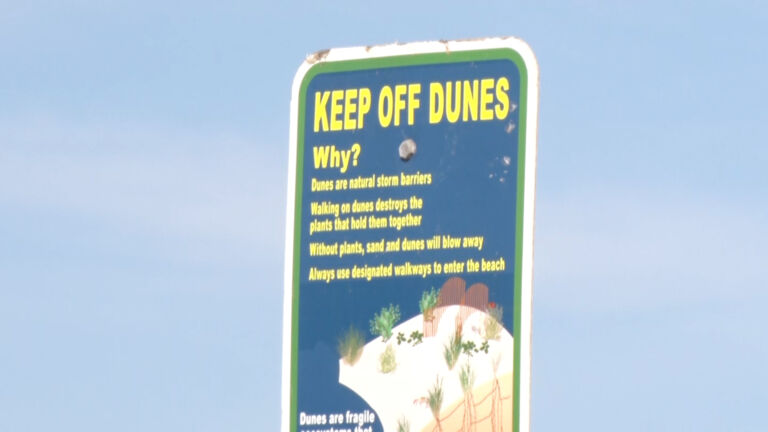
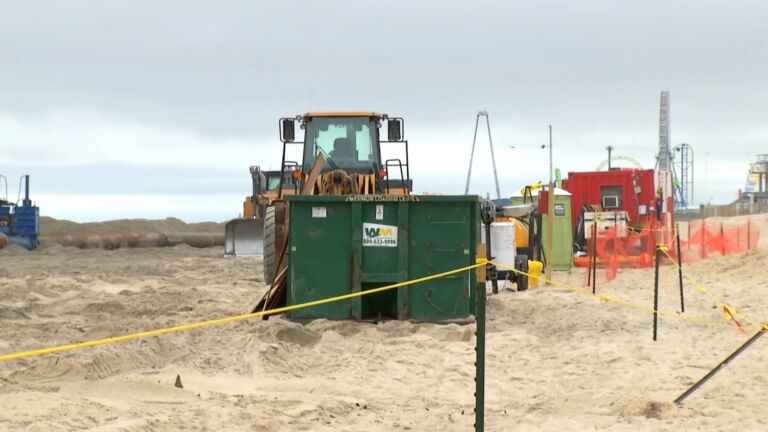
Federal and state authorities have spent more than $2 billion since 1936 to replenish beaches in New Jersey, according to data tracked by the Program for the Study of Developed Shorelines at Western Carolina University. It’s work that is often pitched as a critical investment in the Shore economy but derided by critics as ecologically harmful and wasteful spending.
The cost of beach replenishment has spiked in recent decades due to economic forces and higher demands resulting from climate change. Andrew Coburn, associate director of the Program for the Study of Developed Shorelines, explains what is driving the rising costs.