Energy costs have been top of mind for New Jerseyans after an electricity rate increase of about 20% went into effect in June, and on Tuesday, industry leaders came together to share ideas and strategies for how to best address both costs and reliability.
“It doesn’t surprise me that ratepayers emphasize cost more than reliability, because we’ve enjoyed 99.99% reliability for most of our lives,” said Tim Gallagher, CEO of ReliabilityFirst and a participant at the state Board of Public Utilities’ Technical Conference. “I do think, though, that continuing on the track that we’re on, and reliability starts to suffer, I think people may have different responses.”
“And everyone should bear in mind that under the wrong circumstances, if we don’t have electricity for a sufficient period of time, today people die,” he said.
New Jersey hasn’t reached a point of critical supply, but there have been five days already this summer where energy reaches peak demand based on usage.
“Because of the heat that we’ve seen this year and last year, and we’ve continued to see increases of heat going forward, we have needed a lot more electricity capacity than we have had in previous years,” said Christine Guhl-Sadovy, president of the state BPU.
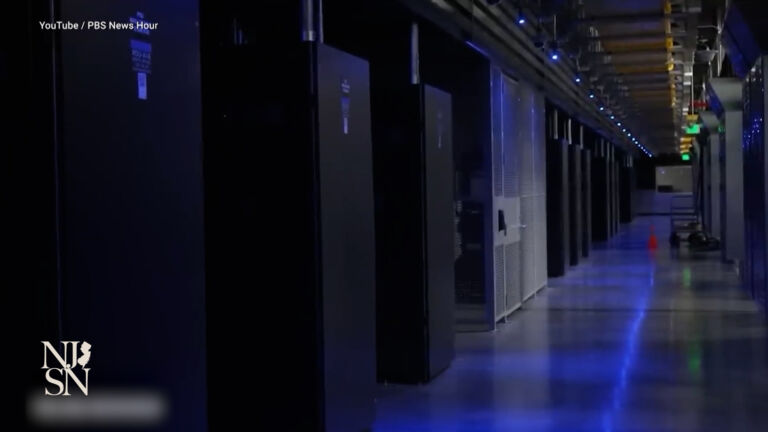
Those at the meeting appeared to agree that data centers are driving much of that increased demand.
“There’s a supply crunch. So we’re kind of seeing this condition where the demand and supply are starting to cross, or getting close to it,” said Andrew Gledhill, senior analyst with Resource Adequacy Planning at PJM Interconnection, the transmission organization that manages the system.
Beyond ensuring reliability, the state leaders like Guhl-Sadovy said they are looking into the process for how market rates are set.
“The state is committed to our clean energy goals, and we want to make sure we’re meeting our new capacity with clean resources, like solar and storage,” she said. “And how we can best work with PJM to make sure their market rules are not artificially changing the dynamics of resource adequacy. … We want to make sure the rules in the market reflect real supply and demand.”
Some environmentalists said PJM isn’t doing enough to prioritize clean energy like solar, which can come online very quickly. They accused the company of prioritizing fossil fuel projects. But PJM’s representative said accusations of “somehow slow-walking renewable projects is simply false. PJM processed approximately 140,000 MW of queue projects over the last two years – more than 90% renewables.”