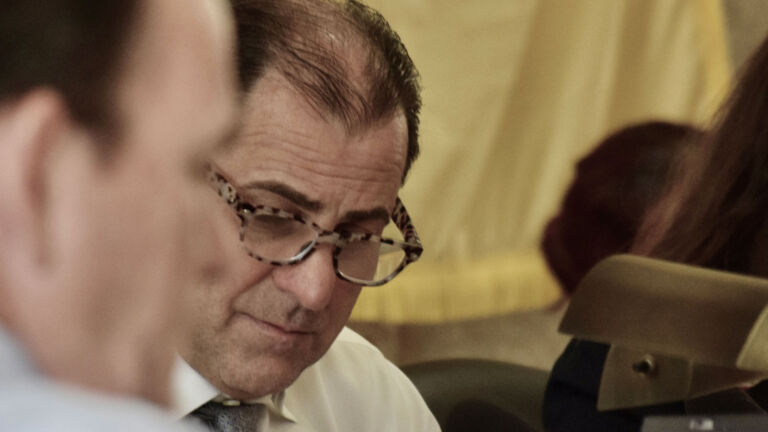
In a last-minute scramble to finalize a new state spending plan, the Senate Budget and Appropriations Committee planned to wait until 8 p.m. Friday to vote on a proposed budget bill.
Sen. Paul Sarlo (D-Bergen), chair of the committee, said because various stakeholders waited until the last moment to reach agreements, the Office of Legislative Services needed extra time to write up the budget document. Sarlo said the package won’t differ much from Gov. Phil Murphy’s record $58.1B spending plan unveiled months ago.
The budget reportedly will not contain revenue-raisers requested by Murphy that Republicans derisively labeled “fun taxes” — new taxes on recreational activities like bowling and laser tag.
The committee voted along party lines Thursday on several other revenue-raisers, though for lower amounts than the governor had sought, to plug a $1.2 billion budget hole. Instead of raising online gambling and sports betting tax rates to 25%, Democrats approved a bill that would boost them to 19.75%.
The Senate committee also approved measures to raise taxes on cigarettes and nicotine vape cartridges. It also reworked a so-called mansion tax that currently charges the buyer 1% of property sales worth over $1 million. The new levy would charge the seller instead, and wouldn’t trigger a transfer tax until the sale price hits $2 million. Fees would start at 2% and range up to 3.5% for property transfers worth $3.5 million or more. Realtors objected.
“Obviously we do have great concerns about what this would do to the higher-end market,” said Doug Tomson, CEO the New Jersey Realtors Association. “Switching from buyer to seller, it probably won’t help the vast majority of New Jerseyans. Only two percent of the market will be affected at the end of the day,” he said.
But progressive advocates called it a commonsense solution.
“The bulk of real property owners are not going to be affected by this change,” said Peter Chen, senior analyst with New Jersey Policy Perspective. “It’s a model for other progressive revenue-raising in the state that we are going to need more of,” noting projections for the cost of state health benefits plans to increase “and the risk of real revenue cuts coming down the line.”
State workers turned out to protest a reported budget proposal to cut $100 million from their health care benefits as lawmakers brace for deep cuts in federal aid.
Republican lawmakers complained about having to wait until late Friday to even get a copy of the budget proposal. They worried the plan contains unaffordable items, including the Stay NJ property-tax relief program that could ultimately cost over $1 billion a year.
“It’s a $3 billion – $4billion structural deficit; it’s falling like a ticking time bomb into the lap of the next governor, whoever he or she may be,” Sen. Declan O’Scanlon (R-Monmouth) said.
Sarlo said Democrats and the governor’s office have agreed on the fiscal year 2026 budget. The Legislature is expected to meet Monday to make it official and send Murphy a balanced budget before the midnight deadline.