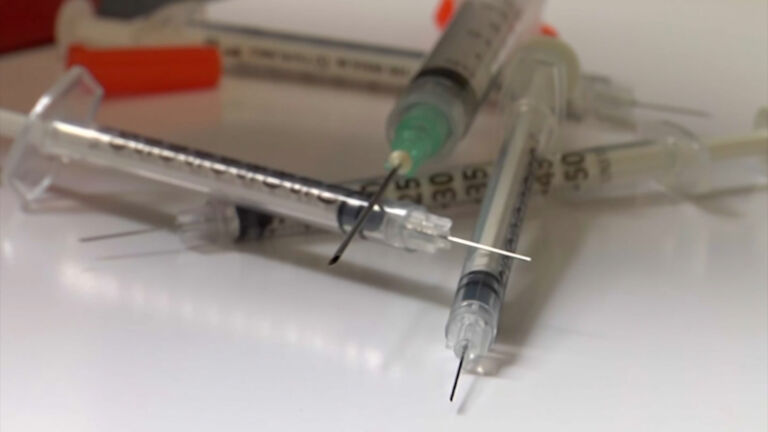
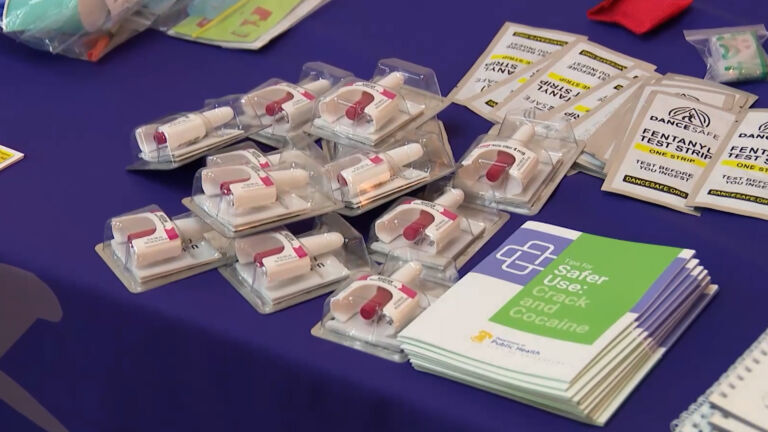
Doctors and clinics now see a new pattern across New Jersey— a decline in the epidemic of opioid deaths that spiked during the pandemic. Most credit the wide availability of naloxone — which can rapidly reverse overdose symptoms and has been distributed for free at participating New Jersey pharmacies since January 2023.
Suspected drug deaths have dropped statewide from almost 2,900 in 2022 — to some 2,600 last year. The total is 1,100 through the middle of June this year.
What’s increased is the number of harm reduction centers in New Jersey. Now, almost two dozen offer stigma-free treatment.
The clinics are “connecting more people for medication for opioid use disorder, harm reduction services — and not requiring abstinence before someone can get care or support. This is a dramatic shift from what New Jersey has been doing for the past several decades and this shift is why we’re seeing the decline in overdose deaths,” said Jenna Mellor, who co-founded New Jersey’s Harm Reduction Coalition.
Camden County, ranked first for overdose deaths in New Jersey, has seen opioid deaths plunge 39% so far this year. Opioid settlement funds paid to equip EMTs and a mobile van with buprenorphine— medicine that helps treat opioid addiction.
Statewide, the New Jersey State Police fields a unit called Operation NJRise — four troopers and seven recovery coaches mentoring some 500 clients — helping people access care.
It’s still an uphill struggle with street sales of adderall and cocaine now often cut with fentanyl. And while opioid deaths are trending down for white New Jerseyans — they’re still rising for people of color. The Murphy administration in January released $95 million in funds from the opioid lawsuit settlement, aimed at harm reduction centers, mobile medication units, treatment clinics and housing.