Ramped-up ICE raids are taking a mental health toll on immigrant communities and families. Advocates tell NJ Spotlight News that the chronic uncertainty over fear of deportation is being linked to heightened anxiety and post-traumatic stress, particularly for children in mixed-status homes.
The following is a Q&A with Bobby Brier, NJ Spotlight News’ mental health writer, about the issue and one Red Bank family he followed dealing with the aftermath of deportation. It has been lightly edited.
Briana Vannozzi, Anchor: Bobby, you spoke with not just mental health professionals, but also people who have been impacted directly by this, about the long-term effects. And I wonder what stood out to you the most about how this trauma lingers long after a family member or a loved one has been deported?
Bobby Brier: You know, multiple mental health therapists that I spoke to really spoke to this term that they coined — intergenerational trauma.
BV: What is that?
BB: Intergenerational trauma is essentially untreated trauma from things like separations, deportations or fear that really kind of ripples down through a family. So, say a grandparent maybe faced deportation, if that trauma is not addressed that often is passed down to the parent, which is then passed down to the child. A lot of times, this may come out in things like emotions or behaviors …
That’s really when the healing process can start for a lot of families and children that are experiencing a lot of raids, deportations or arrests right now or even the threat of them. They’re really looking at issues of intergenerational trauma that will last long after this current administration.
BV: When you think about immigration and this sort of hard-line policy from a 30,000-foot level, you might not necessarily connect the mental health component, but you found some really powerful stories.
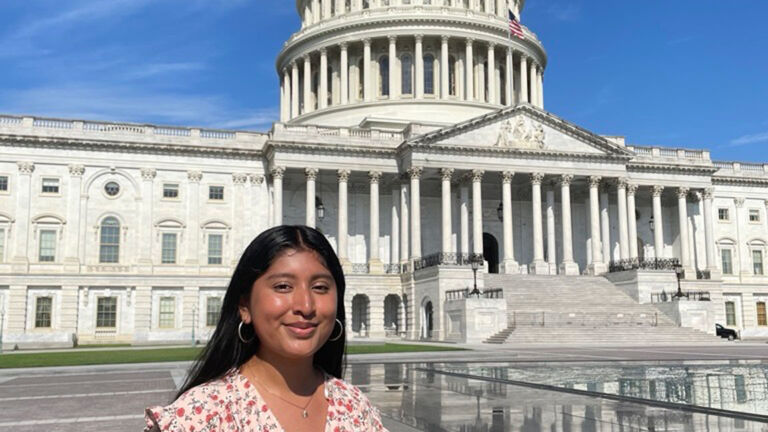
BB: That’s right. I spoke to a young advocate with the American Friends Service Committee, and she is now 21 years old. Her father was deported when she was just 14 years old. What she told me in recent interviews was that these recent events that she’s witnessing are really unfortunately kind of her reliving some of the trauma that she’s lived through in the past.
One of the things that she did speak about, though, [was] some of the efforts that she is taking along with community organizations to really address some immigration rights and to allow people that they have rights, that they have legal representation that’s available to them. And the importance of staying in community as much as possible and to not isolate socially. Oftentimes, those are two keys in order to improve mental health long term.
BV: How does that story, this young woman in particular who you interviewed, Julie Flores Castillo, how does her story mirror what families are going through right now with these ramped-up ICE raids?
BB: You know, her story is unique in its own sense, but very universal in the same sense really, because as Julie had spoken about, she comes from a mixed-status family, meaning that the immigration status of maybe herself or her parents [is] different from one another. What that creates for many families is … a lingering uncertainty that could really cause long-term anxiety and potentially depression, wondering whether something could happen to a loved one or a family member or friend. Even though her story occurred in 2018. This is really what we’re seeing playing out across the state and across the country right now for many mixed-status families and loved ones.
BV: So do these communities have enough — and the right — mental health resources to turn to, especially for the kids?
BB: Right now there are certainly resources available. There’s places like the American Friends Service Committee that has the immigrant rights program here in Newark. There’s also places like Make the Road New Jersey, along with many other organizations and folks working on the ground to really address the mental health impact. But what many advocates and mental health professionals have talked about is this true lack of bilingual therapists who could speak both Spanish and English and have a level of cultural competency that could really address the underlying mental health issues that so many people are facing right now. That lack of bilingual therapists is not just here in New Jersey, but it is nationwide.
So that’s really a push that we’re seeing from mental health professionals to be able to gain more bilingual therapists in order to address some of this ongoing trauma.