
A fast-paced type of sports betting that is becoming increasingly popular is drawing the attention of state lawmakers who fear it may be especially addictive for young people who are embracing online gambling.
Known in the industry as microbetting, it offers gamblers ways to place rapid-fire bets on specific, in-game events instead of waiting for the outcome of a single game to win or lose money.
Mental health experts warn there are serious downsides, given microbetting’s fast pace and potentially costly nature.
And in New Jersey, where the state collects tax revenue from legalized sports betting — and is likely to cash in more with a new National Football League season now underway — lawmakers are beginning to respond to these concerns.
NJ Spotlight News’ mental health writer Bobby Brier discusses specific concerns about the addictive nature of microbetting and efforts one state lawmaker is making to curb its growth. This interview has been excerpted and lightly edited.
Briana Vannozzi, anchor: Bobby, good to see you. So for those of us not in the know, what is microbetting and why is it so dangerous?
Bobby Brier: You know, microbetting is … this fast-paced type of in-game betting [that allows] a gambler to place a bet at a specific event that’s about to happen. That would look like whether or not the next play in a football game, like [Thursday’s] game against the Eagles or the Cowboys would be a pass or a run. Or it may look like whether or not a pitcher would throw a ball or strike at the next at bat. [It] really has been shown to be addictive for many people, especially young men right now. And it’s something that’s really growing in popularity.
I recently had the chance to speak with Dan Cassino of Fairleigh Dickinson University, who really knows about this. And he spoke to me more about some of the problems associated with microbetting. And here’s what he had to say about it.
Dan Cassino: When you start having these very small bets in there, during these microbets during a game, are they going to run or are they going to pass on this play? You know, how many yards is that punt going to go? That gives you instant feedback. And that instant feedback is what makes them so dangerous because you can be betting. [In] the Super Bowl, you have more than 100 bets in a single game. And that’s really terrifying because you make bet after bet after bet after bet, you get it right, you get wrong. Well, that’s just like playing the slot machine and it makes it much more addictive.

BB: As Dan points out, those quick instant bets are really what experts [say] trigger dopamine releases in a person’s brain. As we know, dopamine is that neurotransmitter that functions as a person’s reward system, that often controls mood and motivation and memory. If that instant dopamine release happens again and again and again, like it does in microbetting, it changes the brain’s chemistry over time. And that’s really what public health officials, advocates and now lawmakers are concerned about.
BV: I mean, I see it. It’s like a rapid-fire system that you’re going through, which obviously keeps you engaged in the game, but also in continuing to make bets. What type of proposals are on the table? I know that there’s legislation that’s been put out there. What exactly is it looking to do?
BB: This is a bill that has been sponsored by Assemblyman Dan Hutchison out of South Jersey. And essentially what this would allow for is a complete ban on microbetting. So that would penalize sportsbooks or people from placing or offering a specific wager on a microbet. This would carry, at least as the bill stands, a criminal penalty and a monetary fine as well — currently a criminal penalty of a disorderly persons offense along with a $500 to $1,000 fine per bet.
But it’s important to note, this is still a bill that has not been introduced in either the Senate or the Assembly. It is still in its draft legislation and it’s something that Hutchison told me he expects to have a significant amount of pushback, at least from the casino industry right now.
BV: Yeah, I mean, what are the folks in the industry and the sportsbooks saying?
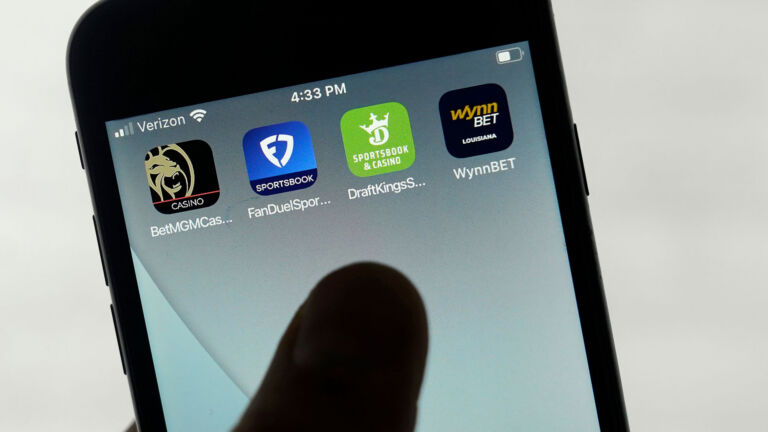
BB: You know, many have said that this is not only the most popular type of gambling, but it’s one that could continue to bring in revenue for the state. As we know, the state has a vested interest in continuing to promote the interest of casinos because, of course, that helps to bring in tax revenue in many situations. But it also should be noted that Hutchison’s main focus for this bill … stems from his own work as a bankruptcy attorney.
He had mentioned a client recently who decided to gamble rather than to pay his mortgage. And it really is something that flagged an issue for him that could grow more and more… It’s also interesting to note right here that we’re beginning an NFL season that has an estimated $30 billion expected from Americans to wager on. That’s according to some of the latest numbers from the American Gaming Association.
But it’s also coming at a time when the World Series is coming in October, a very hot time for gambling. And in New Jersey, we’ll see the FIFA World Cup next year, another especially interesting time for gambling. So more to come on this, but especially interesting from Hutchison here.
BV: Given all of that, I would imagine it’s going to be pretty difficult politically to get something like this done when they’re bringing in more revenue than ever and expected to bring in even more.
BB: That’s right … and [if it does get introduced] and come up to a vote in either the Senate or similarly, I imagine, long-term hearings or discussions about revising this bill potentially, or also what other issues could come to the forefront before it actually gets to the governor’s desk for a signature.
So there’s a long runway here before this bill would actually be signed into law.
