Editor’s note: This story was updated at 7 p.m. to include a statement from the state Department of Health.
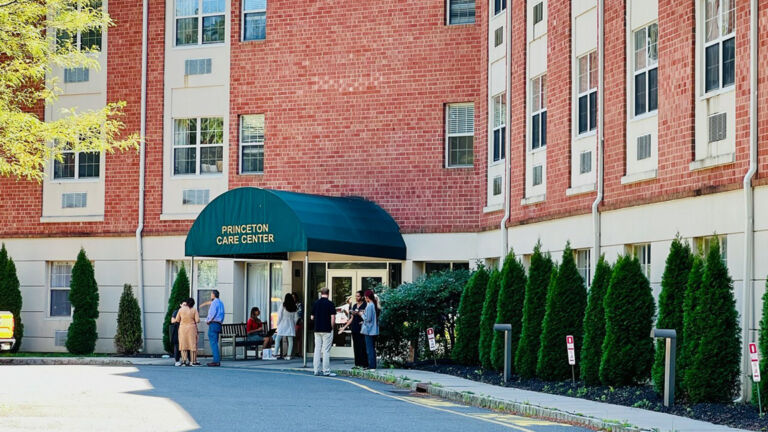
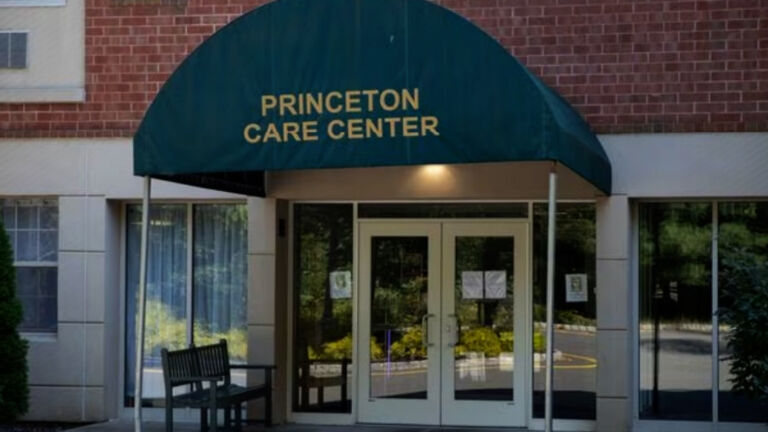
“I’m incredibly angry, incredibly angry,” said Stacy Launer, referring to the abrupt manner in which operators of Princeton Care Center, a nursing home caught in extreme financial crisis, abruptly shut down the facility the Friday of Labor Day weekend. That triggered an immediate emergency evacuation of its 72 residents.
Launer said her 73-year-old mother, Nora, called her in a panic — “sobbing that she needed to be out … She had just been diagnosed with cancer. And for this to happen without any advance notice…”
Phone video taken by one family shows the facility in utter chaos. Princeton Care Center offered families several alternatives, but none nearby. Doctors too were caught by surprise as long-term care advocates scrambled to place and transport residents while a state health department crisis strike team observed.
“Complete chaos, really. There was really no plan on how to execute anything … We were on our own pretty much to figure out what to do,” said Elaine Willey, who spent hours at the nursing home as she looked for a new home for her 93-year-old mom, Eileen, who suffers from dementia. Willey said she’s beyond angry that the nursing home shut down without warning.
The state had been monitoring the nursing home’s mounting financial troubles for months and explained that a potential buyer for the troubled facility pulled out of the deal at the last minute.
According to a Department of Health statement, “…the facility was unable to pay its staff, despite repeated assurances to the Department that payroll would be made, and could no longer provide care to its residents. Because of this, the facility initiated its emergency plan.” The department said it’s actively reviewing the case to discuss “…solutions to further strengthen the quality and resiliency of our long-term care system that may help to avoid a situation like this from occurring again.”
“This is the worst possible outcome for those residents,” said Laurie Brewer, the state’s long-term care ombudsman. Patients were traumatized she said. “We found people asking us, ‘Did I do something wrong? Why was I ripped from my home? Where are my friends?’”
Willey said the families are discussing a lawsuit: “I think it’s a crime that they put all these people — their health, their well-being — at risk. And they let it come to this situation. And they need to be held responsible.”
Princeton Care Center’s owner didn’t return a call for comment.
DOH statement
A statement from the Department of Health, received after this story first aired, said, “The Department of Health sympathizes with the residents and families who have been impacted by the abrupt closure of this facility and by relocation.
“We are actively reviewing this case and working with partner agencies, state departments, and key stakeholders to discuss regulatory and/or operational solutions to further strengthen the quality and resiliency of our long-term care system and that may help to avoid a situation like this from occurring again.
“In the case of an activated emergency closure, the Department cannot force a facility to remain open, as that would be forcing residents to stay in an unsafe situation. The facility did not comply with the current law that requires at least 60 days’ notice to residents and residents’ legal representatives, if applicable, and the Department of Health prior to closing or relocation of a nursing home or assisted living facility. The Department did not receive such a notice from the facility. Instead, the facility notified the Department that it could not make payroll; as a result, there would no longer be facility staff available to provide care to residents; and was implementing its emergency closure plan immediately.
“In the case of an emergency situation, the administrator of the facility is statutorily required to notify, in writing, a resident, the resident’s legal representative, if applicable, and the Department of Health of the closure or relocation as soon as practicable.”