
Amid controversial changes on the federal level, New Jersey’s acting health commissioner has a message for the public: the state will maintain its longstanding vaccine recommendations and insurance coverage requirements.
“What’s most important for families and providers to know is that access to these vaccines has not changed,” said acting commissioner Jeff Brown in an interview with NJ Spotlight News. “They remain available, and they remain covered by insurance with no cost-sharing.”
Federal health officials are overhauling the nation’s childhood vaccine schedule — narrowing the list of shots required for many kids and shifting some decisions to conversations between families and their doctors. It’s a move that New Jersey health leaders say could create confusion for families.
In the interview, Brown said the state will continue to follow long-established, science-backed vaccine policies, even as the federal Department of Health and Human Services revises its guidance for certain childhood immunizations.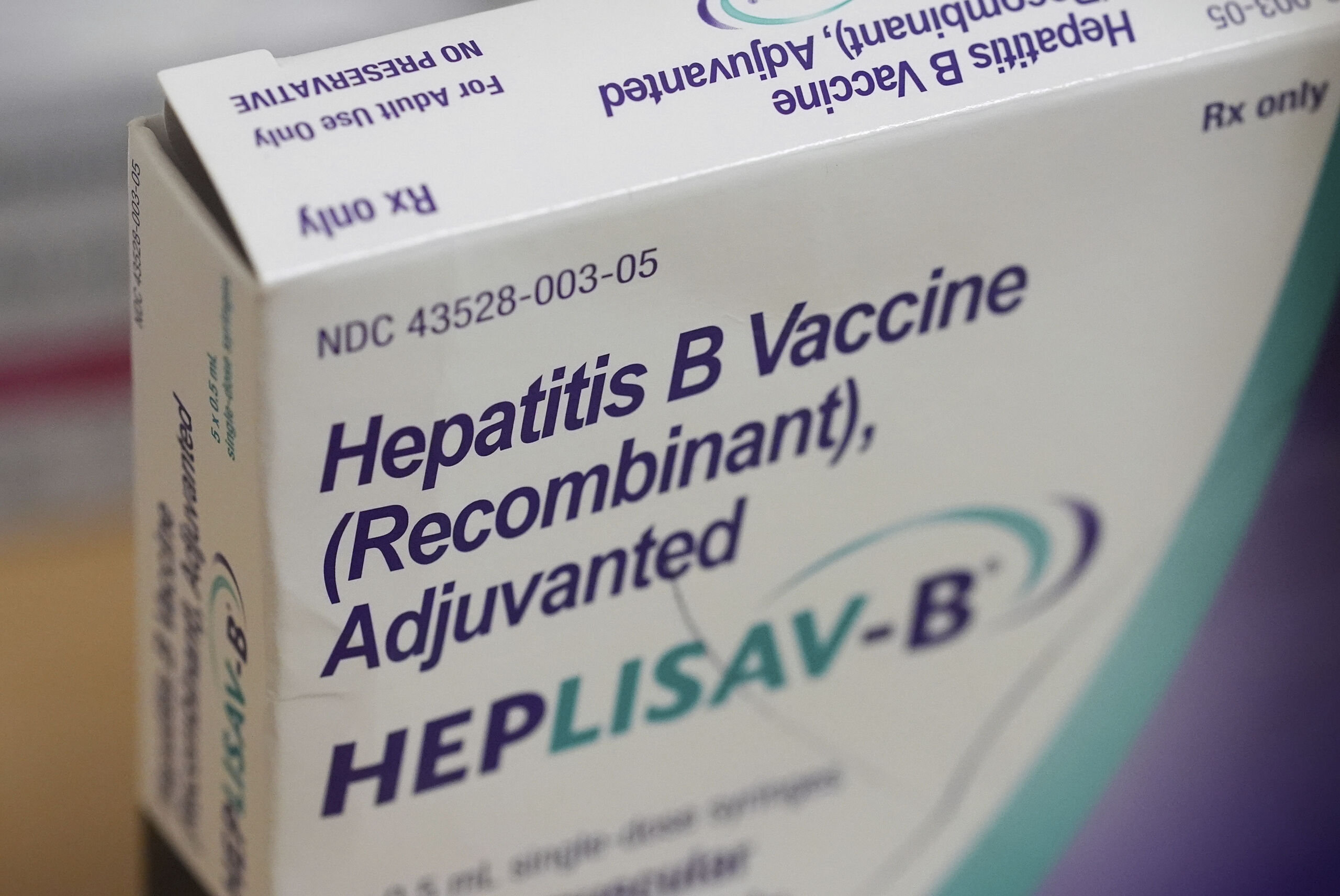
Under the revised federal schedule, vaccines for illnesses such as Hepatitis A, Hepatitis B, and meningococcal disease are now primarily recommended for children considered at higher risk, rather than for all children as a default.
Brown emphasized that in New Jersey, those vaccines will still be recommended by the state Department of Health and fully covered by insurance plans regulated by the state.
The Department of Banking and Insurance recently issued guidance making clear that health plans must continue covering vaccines recommended by the state, regardless of changes at the federal level. Access through the federal Vaccines for Children program, which New Jersey administers in coordination with the CDC, is also unaffected.
Brown pointed to the Hepatitis B birth dose as an example of why New Jersey is sticking with its current approach.
“Over 30 years, we’ve essentially eradicated perinatal Hepatitis B,” he said, noting that New Jersey has not recorded a case since 2013. “That’s a public health triumph, and we’re going to continue recommending it.”

While states have authority to make their own public health recommendations, Brown said lawmakers are working to strengthen that authority in statute. Legislation sponsored by Senate Health Committee Chair Joe Vitale (D-Middlesex) and Assemblywoman Carol Murphy (D-Burlington) would explicitly empower the Department of Health to recommend vaccines and require state-regulated insurers to cover them.
Brown criticized the federal changes for lacking transparency. “Trust is built by sharing the science and the evidence behind decisions,” he said. “That hasn’t happened here, and that’s concerning.”
He warned that confusion around vaccine guidance could contribute to lower vaccination rates, a risk as flu activity increases across the state.
“Vaccination remains the best defense against serious complications from the flu,” Brown said. “We want to see more people getting vaccinated, not fewer.”
