
 Credit: (AP Photo/Wayne Parry)
The Trump administration has cut funding for a long-standing training program that experts called “highly effective” in helping people stabilize their lives.
That means people with serious mental illnesses in New Jersey now have more difficulty accessing federal disability benefits.
The federal funds supported training for the Supplemental Security Income (SSI)/Social Security Disability Insurance (SSDI) Outreach, Access and Recovery program. The program, known as SOAR, instructed caseworkers, social workers and outreach providers across the country on how to complete a complex federal application to secure SSI and SSDI for their clients who are homeless or at risk of homelessness.
National experts familiar with the federal application process, including Kristin Lupfer of Policy Research Associates, told NJ Spotlight News that only about 30% of people nationwide who apply for federal disability benefits get approved on the initial application.
“What we know with using the SOAR model is that we can get applications approved nationwide on average at a 65% approval rate, so over double the national average,” said Lupfer.
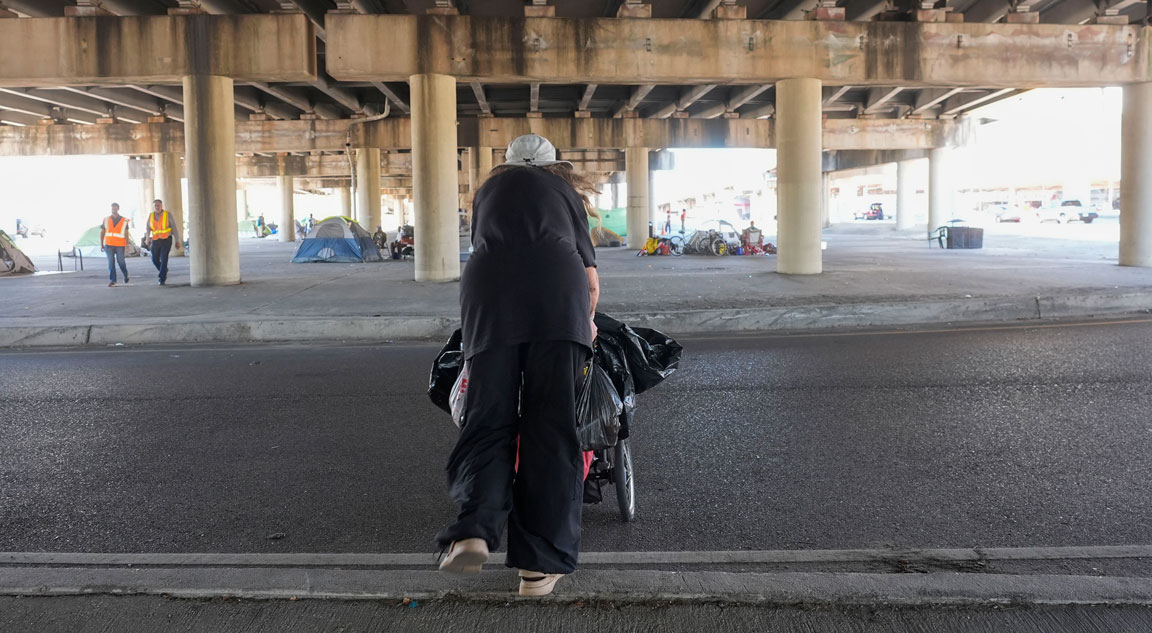
Now without assistance, SOAR’s target population —unhoused people with serious mental illness — has a very low chance of being approved for benefits because of the obstacles to gathering necessary documentation and maintaining steady contact with the Social Security Administration, according to the Center on Budget and Policy Priorities, a nonpartisan research and policy institute based in Washington, D.C.
People who are experiencing homelessness often lack a reliable mailing address, access to a phone or computer, or transportation needed to navigate the time-intensive application process.
Disability benefits help to provide not just a steady income, but an important pathway to health care and other needed supports, according to the Center on Budget and Policy Priorities. However, people who are eligible for these benefits can have a difficult time accessing them, particularly people with severe mental illness and unstable housing.
Caseworkers trained in the SOAR program helped qualifying people, including many veterans, apply for disability benefits and access employment, among other resources. The Trump administration’s move to end federal support for SOAR training in August will mean more people living on the streets who are unable to access the housing, health care and other supports they need, according to the Center on Budget and Policy Priorities.
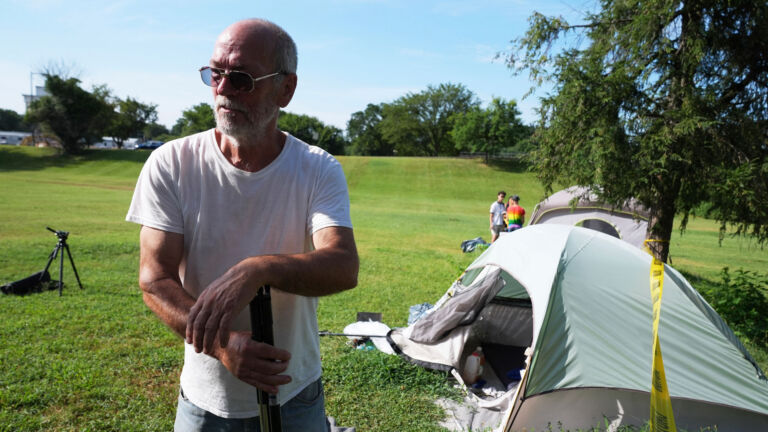
The cut to the training program is among the latest efforts from the Trump administration and Republicans in Congress to curtail support for well-established resources that assisted some of the most vulnerable people in the country.
In New Jersey, nonprofit leaders, state officials and attorneys remain concerned about the impact that the federal cuts will have on people who are disabled and at risk of homelessness across the state.
Michael Callahan of the state Office of Homelessness Prevention said in an interview with NJ Spotlight News that the burden of the federal cuts to the SOAR training program is going to fall particularly on the supportive service providers in New Jersey.
“One of the beauties of the SOAR program was that it was a very structured program that allowed fast-tracking for Social Security Disability Insurance claims,” said Callahan, the director of the office. As the state continues to see an “exploding” unsheltered homeless population, one of the main ways in which state officials and nonprofit leaders were going to ensure income stabilization for the majority of those people was through the SOAR program, he said.
However, Callahan noted that the federal Social Security Administration is operating right now as a “black hole.”
“How are we going to promulgate guidance of ‘Okay, this is what we think our best practice is moving forward’ when we’re not getting that feedback?” said Callahan.
One out of every three people experiencing unsheltered homelessness in New Jersey qualifies for federal disability and may have been able to access the SOAR program had it been up and running, Callahan said.
These cuts to housing programs and support services is cumulative, Callahan said, meaning that not only is the federal government “kneecapping those resources” to ensure exits out of homelessness and into housing, but they are “substantially dooming an entire generation” of people who now have an increased risk of staying homeless.
Before the Trump administration ended support for it in August, the SOAR Technical Assistance Center provided intensive training on navigating the complex disability application process each year to roughly 3,500 caseworkers at the state and local level and supplied important resources and support to thousands more, according to the Center on Budget and Policy Priorities.
The federal Substance Abuse and Mental Health Services Administration provided the SOAR Technical Assistance Center with $2.6 million in funding during the last fiscal year, according to Lupfer, the former director of the center.
Policy Research Associates, a private organization based in Troy, New York, operated the center since 2009 and did so with a team of staff working both in New York and remotely, according to Lupfer, who is now the vice president of housing and income supports at the organization.
Taiisa Kelly of Monarch Housing Associates said that New Jersey has started to see the impacts of the cuts to the SOAR program because there are now not enough caseworkers trained in navigating the application for federal disability benefits. And this is happening while the federal government is shutdown, so the offices that would be processing the paperwork for these benefits are not able to do so, Kelly said.
The cumulative impact of the recent federal cuts to housing programs and supportive services is sending a message that if you are poor and you do not have the ability to pay for your housing, you are at risk of being thrown in jail or an institution, Kelly said.
“At the end of the day, these are New Jersey residents. These are our neighbors that need support and need assistance, and if we are not getting the resource(s) from the federal government to provide the support for them, then we must have some other way that we’re providing that support through the state,” said Kelly, the CEO of the Cranford-based nonprofit that conducts the state’s annual point-in-time homeless count.
“Our next governor is really going to have to figure out what that looks like for New Jersey, and the unfortunate reality is that some of the cuts that we’re facing are so astronomical that it’s really hard to figure out how New Jersey could potentially plug that gap,” Kelly said.
