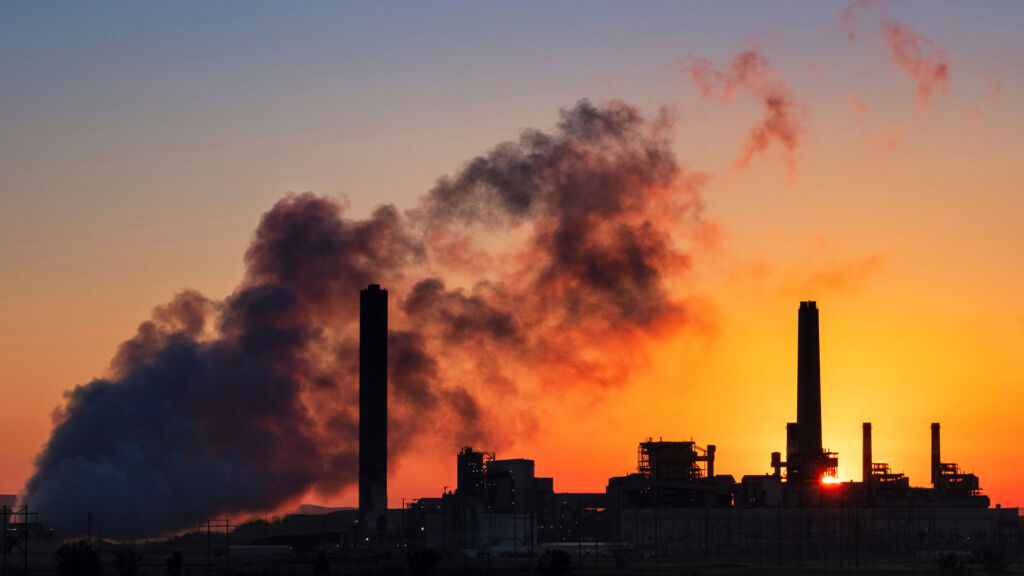
WASHINGTON — The president is poised to sign legislation into law to allow roughly 1,800 polluting sites nationwide, like mills, power stations, chemical plants and oil refineries, to increase the volume of hazardous air pollutants they can release.
Congress passed the bill, almost entirely along party lines, this spring, in votes to roll back limits on the amount of so-called super pollutants facilities can emit by striking down a rule the Environmental Protection Agency issued in 2024 to curb these emissions. These pollutants include mercury, lead, arsenic and dioxins, compounds that can interfere with the human body’s immune system.
“What it will mean for the public is more hazardous air pollution from industrial facilities that cause cancer, brain damage, birth defects, infertility, heart attacks, strokes and even premature death,” John Walke, an attorney for the Natural Resources Defense Council, an environmental and legal advocacy group, said in an interview with NJ Spotlight News.
New Jersey is downwind of heavily industrialized states, including Ohio, Indiana, Kentucky, Pennsylvania and West Virginia.
The vote
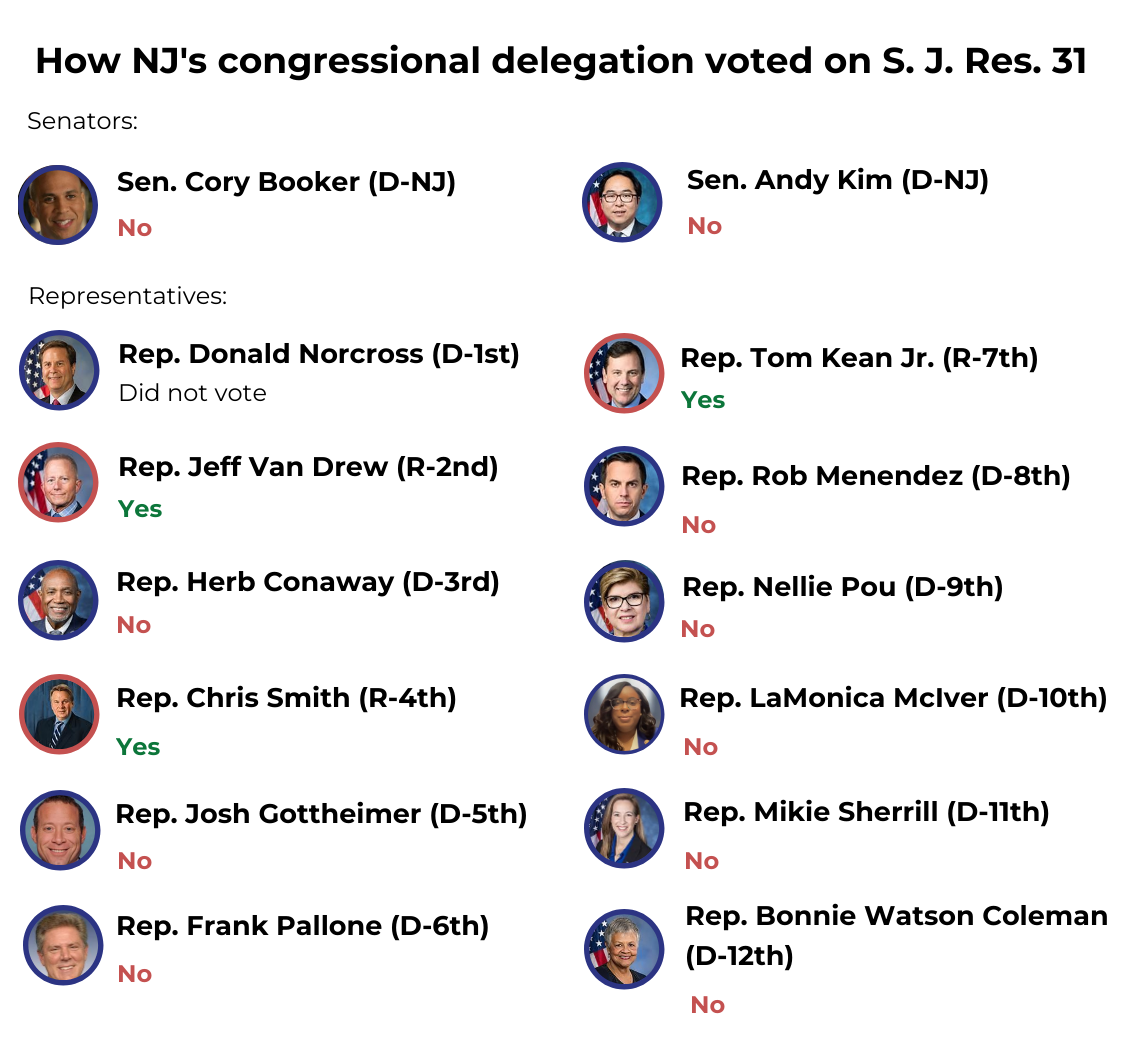
New Jersey’s congressional delegation split along party lines. All Democrats but Rep. Donald Norcross (D-1st) voted against it, and every Republican voted yes. Norcross, who has experienced health issues this Congress and been recuperating away from Washington, did not vote.
 In a May memo, the White House budget office said Trump will likely sign the legislation.
“The rule unnecessarily imposes significant costs on industry each year, hindering economic progress,” the memo says, referencing the 2024 rule from EPA. “The Trump Administration refuses to punish businesses’ success or discourage American innovation.”
The legislation is part of a raft of deregulatory efforts in Congress and from the Trump administration, in particular at the Environmental Protection Agency, to weaken legal protections against air and water pollution and chemical dispersal.
Striking down foundational regulations
Awaiting President Donald Trump’s signature, the bill is a wholesale rollback of updates Congress made in 1990 to the Clean Air Act, the bedrock federal law that governs air pollution nationwide.
President George H. W. Bush proposed those changes in 1989 in part to curb acid rain and air pollution in cities, which Congress ultimately passed with ease (401-21 in the House, and 89-11 in the Senate) and bipartisan support.
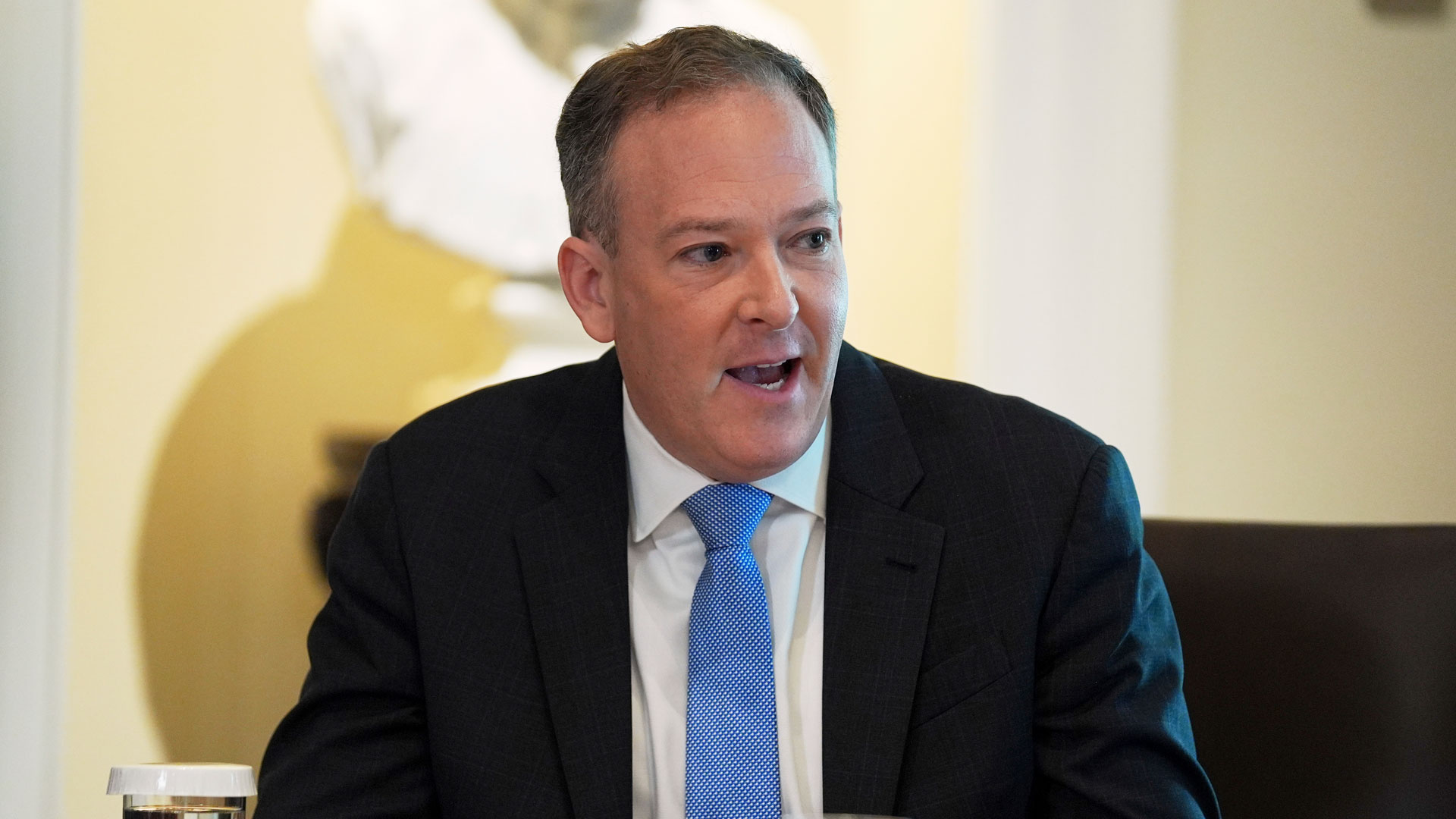
EPA Administrator Lee Zeldin in March pinpointed 31 objectives the agency is taking to weaken or outright eliminate environmental protections.
The legislation awaiting Trump’s signature would strike down a rule EPA issued in September 2024 under the Clean Air Act.
Included in that list are proposals to dilute regulations on power plants, fossil energy companies, regional haze pollution, carbon emissions from cars and particulate matter, the microscopic bits of pollution that can lodge in human lungs.
Congress voted this year to end a program to cut emissions of methane, a highly potent greenhouse gas, cancel energy efficiency standards and end an electric-vehicle policy with national implications.
Impact in New Jersey
At its core, the legislation awaiting Trump’s signature would allow operators at more than 1,800 industrial sites across the country to increase their emissions by lifting federal restrictions under the Clean Air Act.
In addition to refineries, power plants and chemical sites, also included in this group are smelters, industrial-scale boilers, coke ovens, asphalt plants and aluminum plants.
There is no federal list of all of the roughly 1,800 sites, due to incomplete federal data.
 Credit: (AP Photo/Evan Vucci)
The bill on Trump’s desk would allow an estimated 39 facilities in New Jersey to increase pollution, said Walke, who worked as an attorney in EPA’s general counsel office.
The bill would also empower companies that operate a facility in question to petition their state regulator, such as the Department of Environmental Protection in New Jersey, for approval to increase their emissions.
“It’s just up to facilities that decide if they want to go into their state regulators and ask for higher permit limits,” Walke said, adding that for some sites, that new level could be “ten times higher than the limits on hazardous air pollution that they are meeting today under federal law, and have been meeting since the mid-1990s.”
The sites that could soon apply for permission from state authorities to pollute more are largely clustered along the Gulf Coast, in Appalachia and across the industrial Midwest.
More than half of U.S. states have policies in place that prohibit themselves from adopting air pollution standards that are tougher than the U.S. government’s, Walke said.
“They have purposely handcuffed themselves. This is mostly in red states, but it’s not entirely red states,” Walke said of Republican-leaning states. “I’d be more worried about upwind states, you know, that are a little bit more lax and more conservative than New Jersey that have these policies in place.”
The EPA rule the legislation would nix also requires industrial sites to monitor and report information about their emissions, Rep. Frank Pallone (D-6th) said in May when the House debated the bill.
“It requires facilities that emit the worst of the worst hazardous air pollutants to monitor, report, and cut those emissions to the maximum degree of reduction achievable — even eliminating them entirely, if possible,” said Pallone, the top-ranking Democrat on the primary House committee that regulates air pollution.
Republicans like Rick Allen of Georgia said the 2024 rule was outdated and hampering the economy.
“Repealing this backward rule is part of House Republicans’ work to unleash American energy and ensure that government red tape does not stand in the way of creating jobs and growing our economy here at home,” Allen said.
— Graphic by Genesis Obando