
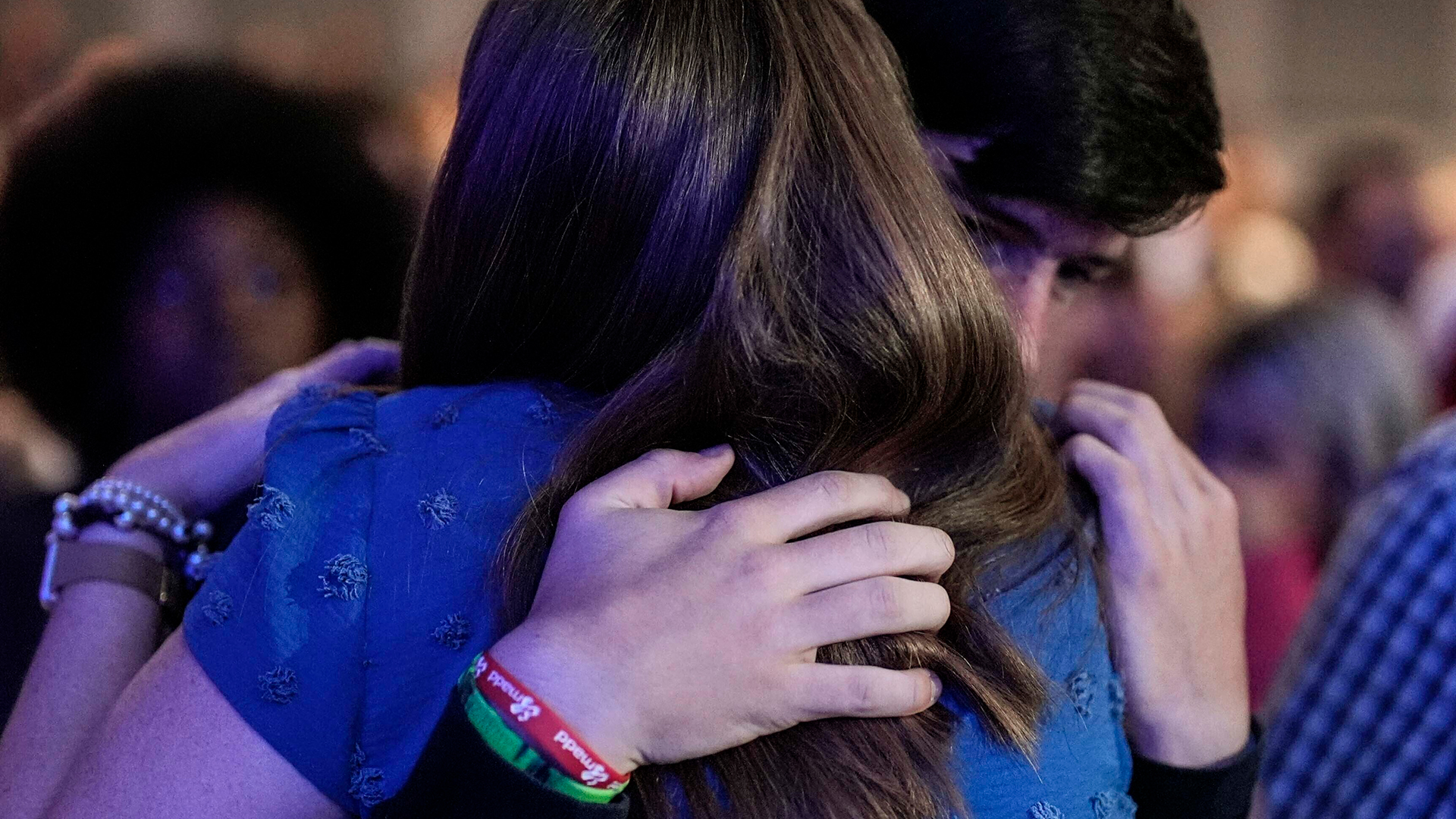
 Credit: (AP Photo/Mike Stewart)
Parents and students, mental health professionals and school staff are all grappling with renewed anxieties over gun violence after several schools in South Jersey were closed earlier this week due to shooting threats posted to social media.
The threats were made against Woodbury Junior-Senior High School and Holy Angels Catholic School in Woodbury, Thomas E. Bowe Middle School in Glassboro, Haddon Heights Junior-Senior High School and Oak Valley School in Wenonah. Harrison Township police announced that three minors, from Mullica Hill, Woodbury and Glassboro, were arrested in connection with the threats. The threats came just days after a 14-year-old student shot and killed four people at Apalachee High School in Winder, Georgia.
“As a parent, and I am now a grandparent, I am very much concerned about my family’s safety, my children’s safety, my grandchildren’s safety and my school community,” said Robin Cogan, a school nurse in South Jersey. “And not just my school community, but all school communities because what we’re seeing is this continued escalation of violence in schools,” Cogan said.
School shootings, or the possibility of one, are a significant source of stress for nearly three-quarters of parents across the country, according to a study cited in a recent federal advisory from U.S. Surgeon General Dr. Vivek Murthy. Firearm-related injury has been the leading cause of death for children and adolescents in the U.S. since 2020, surpassing car crashes, cancer, drug overdoses and poisonings, according to studies cited in another advisory Murthy issued earlier this year.
“Unfortunately, it’s [school shootings] not something new in our world, but each time it happens, it only increases the stress and anxiety,” said Amanda Santana, a mother of four. Santana is a chief operating officer at Family Connections, a nonprofit serving people in north Jersey with services to address domestic violence, early childhood, family support and housing.
Sense of helplessness
For parents, there is a prevailing sense of helplessness when it comes to their children’s safety and school shootings, which can come with even greater problems like a potential lack of trust in school systems, according to Gary Nelson, a therapist and executive director of The Center for Family and Community Empowerment. Through that nonprofit and his private therapy practice, Nelson provides school-based youth service programming and mental health counseling to students in six school districts.
“Parents are worried about the school’s ability to make these very tough decisions and decisions in emergency situations to where [they ask], ‘Can my school protect my child if there’s an active shooter there? What are the policies? Is all the staff trained?’” asked Nelson, a father of four.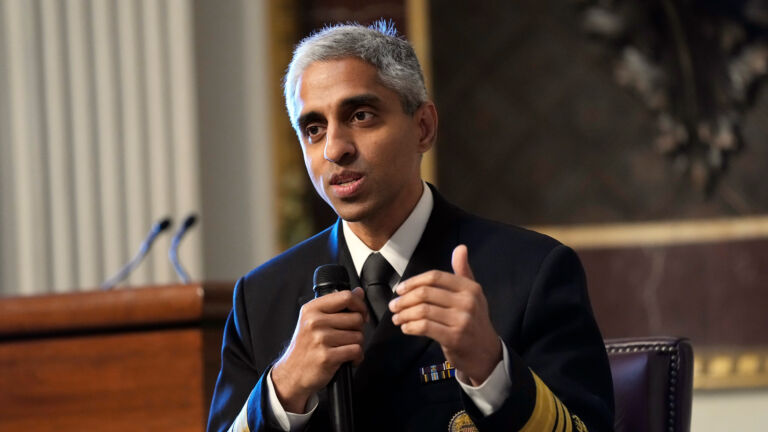
Thinking about these questions daily can add “significant stress” to the lives of parents and students, according to Nelson.
More than 383,000 students have experienced gun violence at school since the Columbine High School massacre in 1999, according to The Washington Post, which tracks gun violence in schools. A nationally representative survey found that half of 14- to 17-year-olds in the U.S. worry about school shootings and nearly 6 in 10 report that they “have recently thought about what would happen if a person with a gun entered” their school or a school nearby, according to a federal advisory released in June by the surgeon general.
Chronic absenteeism
Chronic absenteeism could increase among students when they are not able to process the trauma from gun violence and do not have an opportunity to talk about how they are feeling, said Demeka Jennings-Johnson, a mental health practitioner at Arthur J. Holland Middle School in Trenton.
In the months following the murders at Columbine High School in Colorado, the percentage of students around the country who reported missing school because of safety concerns more than doubled, according to a study cited in a federal advisory from the surgeon general.
Mental health professionals, including Dr. Stephanie Marcello of Rutgers University, say that the accumulation of stress over time, if left untreated, can lead to an increase in anxiety and depressive symptoms where some people live in a state of panic or distress while others feel numb.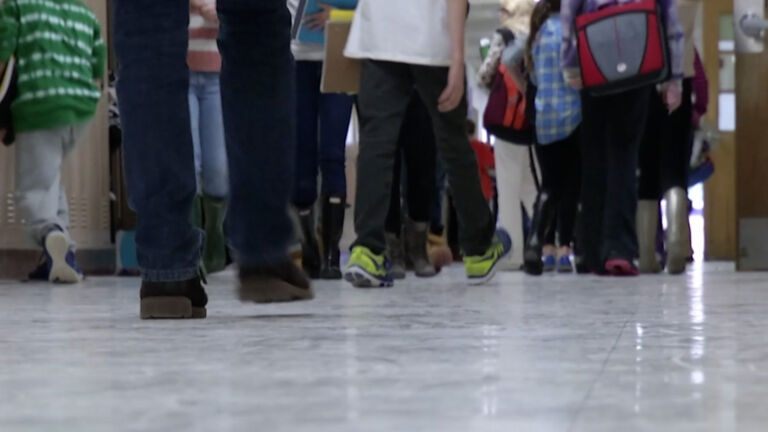
“Before these things happen, how do we support families, youth [and] communities into taking responsibility for our mental health? How do we destigmatize having conversations about ‘Of course you’re having these feelings. Of course this is your reaction’ — so, normalizing mental health,” said Marcello, the chief psychologist at Rutgers University Behavioral Health Care.
“The more that we can do that as a country and the more we can do that as a family unit and as a community, the healthier we’ll be,” Marcello said.
