
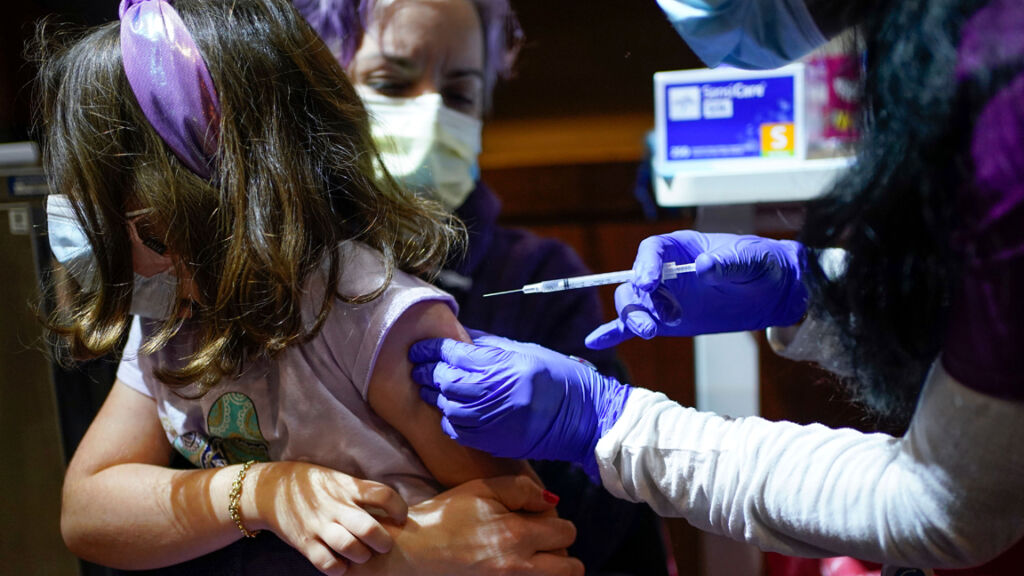
COVID-19 may not be a leading public concern, but rates are ticking up nationwide and dozens of infected patients are now admitted to New Jersey hospitals each week. More than 100 residents have died from the disease since early June.
Government officials and health care experts urge everyone 6 months and older to get the new COVID-19 vaccine, which is expected to be delivered to pharmacies, health clinics and public health programs in New Jersey any day. Long-COVID also remains a threat to one in five patients, experts note, with most still feeling symptoms a year later. While 9 in 10 Americans may have developed an immunity to the coronavirus, they said most of this protection has since waned.
The new COVID-19 shot is formulated to better protect against current variants of the coronavirus and could prevent up to 1,000 hospitalizations — nearly half of them among young children — for every 1 million doses administered, according to federal estimates. Providers are no longer permitted to give people the bivalent vaccine rolled out last year and state officials have told them to dispose of those shots as medical waste.
“With rising cases, COVID-19 continues to remain a significant public health priority. This new vaccine provides updated protections and can be easily received at the same time as your annual flu shot,” said New Jersey’s acting Health Commissioner Dr. Kaitlan Baston.
Who should get jabbed
The federal Centers for Disease Control and Prevention recommended broad use of the new vaccine Tuesday, noting that the benefits far outweigh the downsides. Manufacturers Pfizer and Moderna were expected to begin shipping doses almost immediately. Anyone can get the new shots, regulators said, regardless of whether they’ve been vaccinated in the past against COVID-19. It should be a particular priority for the elderly, young children, pregnant people and those with compromised immune systems, they said.
The action followed Monday’s approval of the Pfizer and Moderna formulations of vaccine — both of which are based on the same mRNA, or messenger ribonucleic acid technology used to build their initial COVID-19 vaccines — by the U.S. Food and Drug Administration. A third product by Novavax, which employs a different technology, is still under federal review.
New Jersey’s 100-plus local public health offices are likely to play an important role in vaccinating people without insurance.
People can search the federal website vaccines.gov to find a provider, including those who have free shots available for people who don’t have full insurance coverage. The vaccines are no longer available to everyone free of charge, following the end of the federal health emergency last spring, and shots are now priced from $120 to $130 a dose, depending on the brand. Medicaid and Medicare will cover the full cost of these immunizations, and most commercial insurance plans should do the same, according to experts.
“The department will continue to work with providers across the state to make sure everyone who wants the added protection of the updated COVID-19 shot can easily access it, especially the state’s vulnerable populations and those who are under- or uninsured,” Baston said.
Subsidized vaccines for some
As part of that work, state Health Department spokesperson Nancy Kearney said it has ordered more than 11,000 doses that will be distributed to some 200 public health programs, community clinics and pharmacies that participate in their existing subsidized vaccine programs for children and adults. These will be reserved for people who are uninsured or lack full coverage and Kearney said more will be ordered to meet demand. According to the most recent state data available from 2020, nearly 80,000 people under age 65 lack insurance in New Jersey, with rates that range from less than 5% of white residents to nearly 25% of Hispanic people.
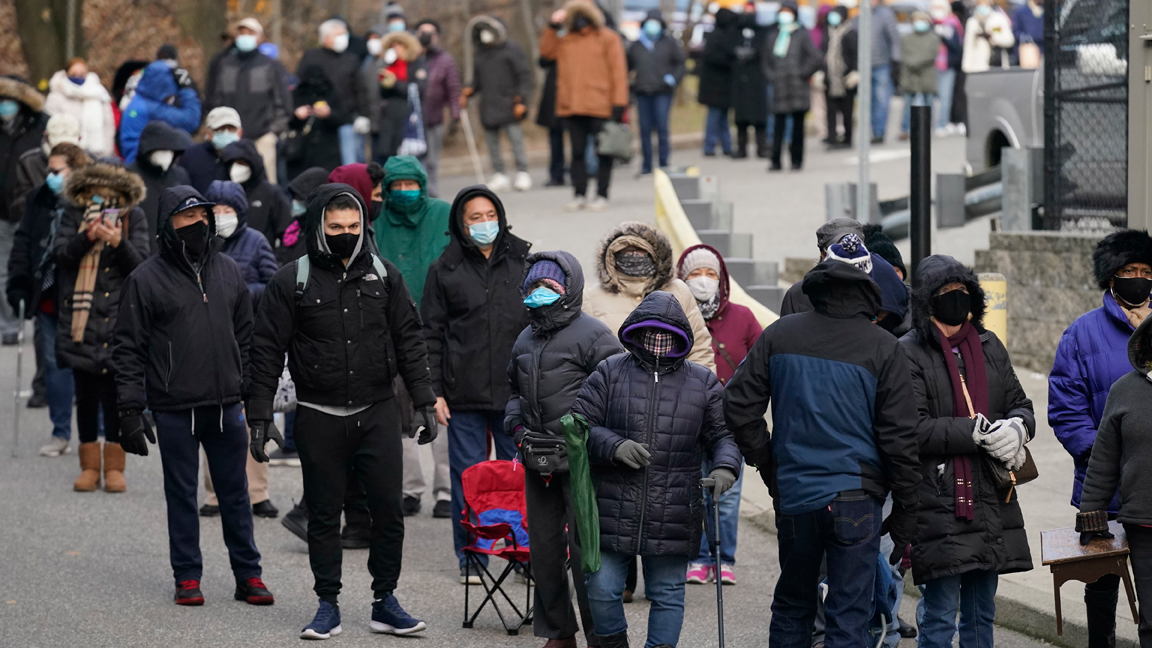
Demand for COVID-19 shots has declined significantly since December 2020, when the first versions of the vaccines were approved for emergency use and demand surged — at least in New Jersey — almost overwhelming the state’s system.
New Jersey’s 100-plus local public health offices are likely to play an important role in vaccinating people without insurance, although they are less inclined to hold large, multiday public immunization clinics as they did early in the pandemic. While these programs will receive some of the free shots from the state’s cache for uninsured children and adults, local health leaders said they need to pay up front to buy vaccines for those who don’t qualify for the subsidized programs — a budgetary challenge for many offices.
“We continue to work with the state of New Jersey but we have concerns about what can be done to reach these vulnerable populations,” said Chris Merkel, president of the New Jersey Association of County and City Health Officials.
COVID stats
In New Jersey more than 2.6 million people have been sickened by COVID-19 since March 2020 and at least 36,000 have died as a result and — as it was nationwide — people of color were more likely to be infected, sicken and die than white residents. CDC officials said Tuesday that while these disparities have shrunk, a gap remains across the country, with Alaskan and American native populations experiencing the highest hospitalization rates since the start of the pandemic, followed by non-Hispanic Blacks men.
Health care leaders now encourage the public to consider getting COVID-19 shots — which likely will be updated each year to provide better protection — as part of their traditional fall immunization routine. Doctors say you can receive both the flu shot and COVID-19 vaccine in the same visit. Adults and children over age 5 will need only one dose of the new COVID-19 formula, according to the FDA, while younger children could require multiple smaller doses, depending on their vaccination history.
 Credit: (AP Photo/Seth Wenig, File)
But demand for COVID-19 shots has declined significantly since December 2020, when the first versions of the vaccines were approved for emergency use and demand surged — at least in New Jersey — almost overwhelming the state’s system. Nearly 7 million people here received their initial two-dose series, state statistics show, while 4.4 million got a booster dose the following year. But fewer than 1.5 million New Jerseyans opted for the reformulated bivalent booster released in the fall of 2022, despite repeated pleas from public health leaders that the public’s protection against the virus was waning.
While myocarditis is a possible side-effect of the vaccine, the CDC noted that males between the age of 12 and 17 are as much as five times more likely to contract this heart infection from a COVID-19 infection, making the shot a statistically safer choice.
In New Jersey, state officials launched a back-to-school vaccination campaign in August that included recommendations to get the bivalent COVID-19 shot, the most recent version available until now. The state is now updating its outreach materials, Kearney said, and will be working with community partners and its COVID-19 vaccine call center to publicize the importance of the new shots.
Data presented by federal scientists during a meeting Tuesday of a panel of vaccine experts advising the CDC on COVID-19 immunization suggests many — while not the majority — of Americans remain concerned about getting infected and sick. As of late August, more than 4 in 10 people polled said they would get the new vaccine, experts found, and half said it was “safe” or “very safe.”
Since the first COVID-19 vaccines were given the go-ahead in late 2020, safety monitors have identified nearly two dozen serious unintended outcomes from the shots, ranging from Bell’s palsy to encephalitis to seizures and stroke, Dr. Nicola Klein told the CDC panel, although most are extremely rare. Problems were less likely with last year’s bivalent shots, she said, and all formulas have shown to be very safe for children. Data on the new, reformulated vaccines is limited, but she and others stressed that they did not expect to see new side effects.
Allergic reactions
While these incidents are rare, one concern has been anaphylaxis – an extreme allergic reaction — which occurs an estimated 5 times for every 1 million doses administered, Klein said. The team is also carefully tracking myocarditis and pericarditis — infections in two different parts of the heart muscle that primarily impacted male teens and young men — which she said were identified in 14 to 18 people for each 1 million doses, depending on the type of vaccine.
While myocarditis is a possible side effect of the vaccine, the CDC noted that males between the age of 12 and 17 are as much as five times more likely to contract this heart infection from a COVID-19 infection, making the shot a statistically safer choice. Among this age group alone, the agency said 1 million doses of the vaccine are estimated to prevent up to 95 hospitalizations, 19 admissions to a critical care unit and at least one death.
