
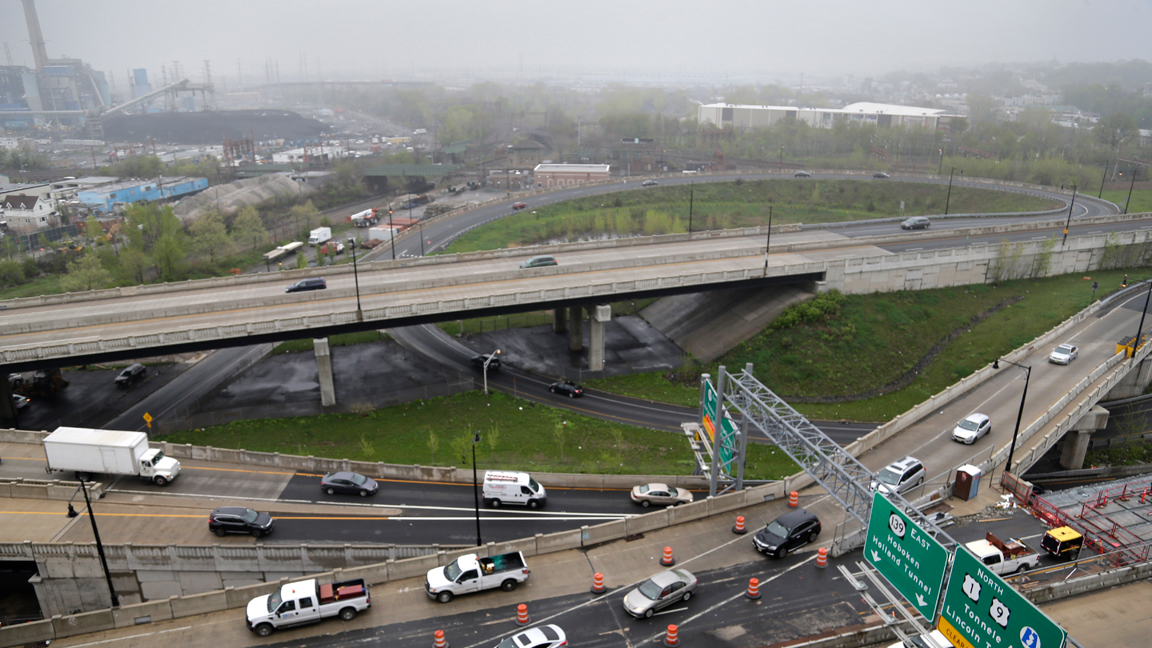
 Credit: (AP Photo/Seth Wenig)
Smog has long been a major pollutant in New Jersey, and now the federal government is delaying its review of new health standards for a process that advocates said can significantly improve air quality.
The Environmental Protection Agency on Monday announced a new review of the standard for smog, or surface-level ozone, to ensure it reflects the most current, relevant science and protects the public’s health from ozone pollution, which causes more than 100 million people to breathe unhealthy air at times.
“After carefully reviewing the advice of the independent science panel, I am convinced that a full and complete review of the ozone NAAQS (National Ambient Quality Standards) is warranted to ensure a thorough and transparent assessment of the latest science,’’ said EPA Administrator Michael Regan.

The current review was originally scheduled by the Biden administration to be done by 2024, but now it’s not expected to be completed until the late 2020s, according to environmentalists.
The new delay was immediately assailed by clean-air advocates who have pressed the administrations of both presidents Biden and Trump for more stringent standards, all without success.
“I’m disappointed in the rollback,’’ said Maria Lopez-Nuñez, deputy director of the Ironbound Community Corp. “When it comes to our community, there is always excuses; it’s never a priority.’’
Smog in New Jersey
In New Jersey, smog or ozone forms typically during summer months when pollution from factories, cars and other sources bakes under a hot sun to form what’s normally the state’s most persistent and widespread pollutant.
‘This is a step back for clean air in New Jersey.’ — Doug O’Malley, Environment New Jersey
There have been improvements in recent years, but parts of New Jersey — like much of the country — have never attained the existing ozone standards.
For example, between 2010 and 2022, national air quality concentrations dropped 7%, according to the agency. Still, in the American Lung Association’s annual analysis of ozone pollution, two New Jersey counties — Bergen and Mercer — posted failing grades this past April.

Exposure to ground-level ozone can cause respiratory disease, aggravate asthma and other lung diseases and may lead to missed days of work or school, emergency room visits and premature deaths. The unhealthy air is particularly harmful to children and older adults, disproportionately affecting people of color, families with low incomes, and other vulnerable populations.
The Clean Air Act requires the EPA to set and review a national health standard for ozone pollution every five years, and that standard must protect public health with an adequate margin of safety. The agency last updated the limit in 2015, setting the standard that remains in effect today.
Protecting polluters?
“This means tens of millions of Americans will be subject to unsafe air pollution for years to come,’’ said John Walker, director of clean air for the Natural Resources Defense Council. “The national ozone standard is not only outdated, but it was left unchanged by the Trump administration’s EPA which ignored medical science because it was more interested in protecting polluters than people.’’
Raul Garcia, vice president of policy and legislation for Earthjustice, also blamed the Biden administration for failing to follow the science and prioritize the health and well-being of communities. The consequences of inaction on ozone are clear — “more asthma attacks, increased respiratory illnesses and harm to vulnerable communities,” he said.
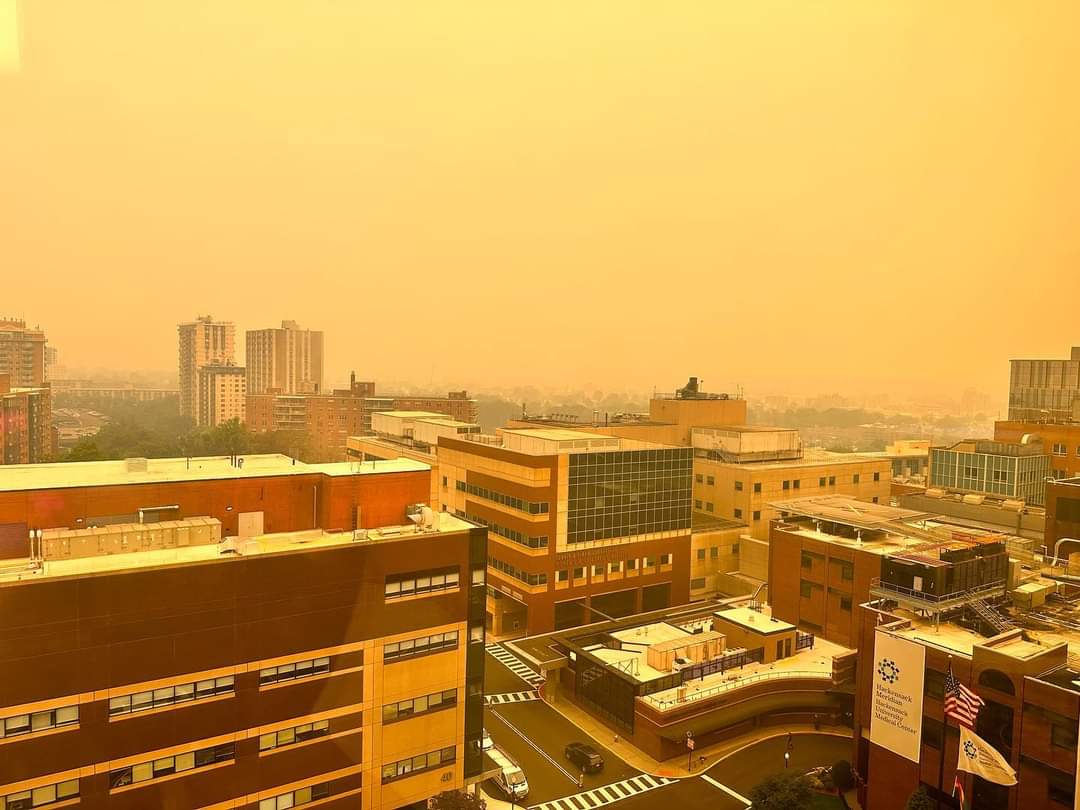
The delay comes as both the state and federal governments have taken other actions to improve air quality around the nation.
The Biden administration earlier this year proposed a tough new rule to limit tailpipe emissions from gasoline-powered cars, a step it says could advance the transition to electric vehicles and decrease ozone pollution. On Monday, the state Department of Environmental Protection published a new proposal to phase out the sale of new gasoline-powered light-duty vehicles beginning in 2035.
Still, advocates were upset by the EPA’s failure to set a tougher ozone standard.
“This is a step back for clean air in New Jersey,’’ said Doug O’Malley, director of Environment New Jersey. “With climate change, New Jersey will see more hotter days and more ozone days.’’
