Credit: (AP Photo/Brennan Linsley, File)
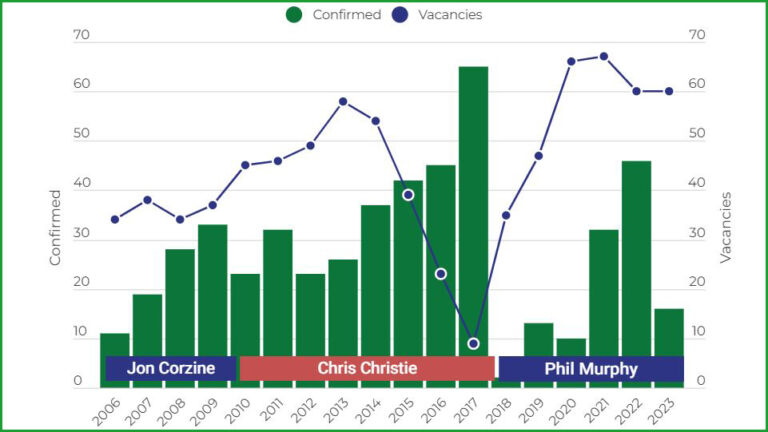
The New Jersey Senate further chipped away at the state’s judicial vacancy problem this week, but the number of open seats on the bench remains larger than the number of pending judicial nominees as the Legislature’s summer recess approaches.
The Senate Judiciary Committee, which considers all judicial nominees, approved Monday the nomination of Michael Noriega, a Union County Democrat and former public defender, to the state Supreme Court. If the full Senate confirms him on Friday, as expected, Noriega will be the fourth justice put on the bench by Gov. Phil Murphy.
Senate President Nicholas Scutari (D-Union) said he may call a special session next month to consider more Superior Court nominees. Lawmakers usually break for the summer once a state budget is approved and so far no date has been set for any meetings to consider nominees. If Scutari, does bring senators back, they still won’t be able to fill all the judicial vacancies. There are currently only 13 nominees pending in the Senate — some of whom have been held up for months by lawmakers’ disagreements — and another five to be officially nominated this week. But there are 53 current open seats statewide and another nine judges are expected to retire or resign by Sept. 1. That brings the number of vacancies up to 62 if there is no summer session to confirm more.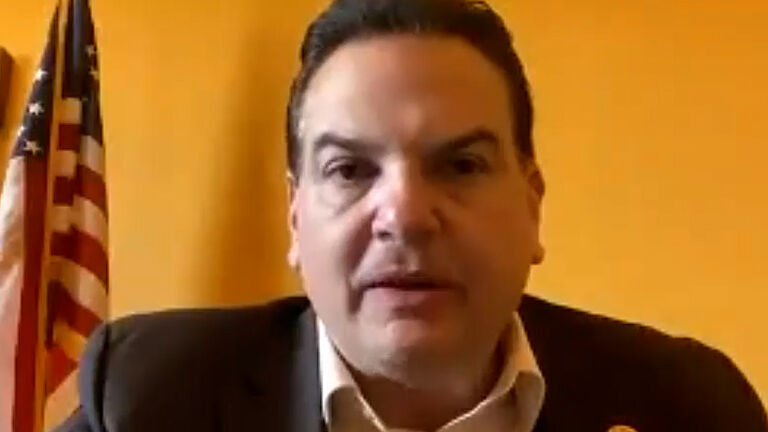
Still, the courts would welcome any relief from the last six years of vacancies numbering more than 30, the maximum the state’s administrator of the courts has repeatedly said is manageable. For a time in May 2022, the number of openings reached a record 75.
What are the impediments?
A steady stream of new openings is being blamed in part on the COVID-19 pandemic, many retirements and an unusual number of judges leaving the bench early — at least some in part due to burnout because of having to work extra hours to cover for vacancies. Seats are remaining vacant because the state’s process of filling judgeships — the governor nominates candidates and the Senate confirms them following a committee hearing — isn’t keeping up.
Two months ago, Supreme Court Chief Justice Stuart Rabner put nearly all civil trials, including divorces, on hold indefinitely in six counties due to the lack of judges. The administrator of the state court system later said more counties would be impacted without more judges nominated and confirmed.
One problem in filling the judicial bench is the unwritten rule of senatorial courtesy, which allows senators to block nominees who live in their home county from being considered without giving a reason.
The sustained large number of vacancies is impacting people and businesses of all kinds: Couples looking to divorce are stuck in limbo, often with children caught in the middle; businesses can’t settle contract disputes; people seeking financial compensation have been forced to wait for years. And while criminal matters in which individuals are being detained without bail or on some court-ordered monitoring are receiving priority treatment, these are also taking longer than was anticipated when the state’s bail system was reformed six years ago.
In the wake of pleas from the state court administrator and criticism from the New Jersey State Bar Association, the Senate confirmed 18 new judges in the last five weeks. It approved seven on Monday, including four approved by the full Senate after being voted out of the Senate Judiciary Committee just a few hours earlier. Five of the new judges, including state Department of Banking and Insurance Commissioner Marlene Caride, a former assemblywoman, are from Bergen County, which has the second-largest number of judges in the state and currently eight positions unfilled.
Moving faster
All the nominees approved Monday had been pending for less than two months, with Caride and Jane Weiner of Hudson County nominated just this month. Sen. Joseph Lagana (D-Bergen), a member of the judiciary committee, thanked the committee for moving faster than it has been to get the nominees heard.
‘We’ve been moving in a methodical fashion like we always do.’ — Senate President Nicholas Scutari
“I know it was kind of rushed to get these through, but it’s crucially important, given the lack of judicial power we have in Bergen right now,” he said. “We have a lot more to go, but this helps.”
One of the problems in filling the judicial bench is the unwritten rule of senatorial courtesy, which allows senators to block nominees who live in their home county from being considered without giving a reason. That can cause problems in counties split into multiple legislative districts because all the senators involved must sign off on every nominee.
Both Murphy and the Senate have faced criticism, particularly from the state bar association, for not acting quickly enough to fill judgeships. Both Murphy’s office and some senators have defended their actions and said they are working as expeditiously as possible while still properly vetting potential judges.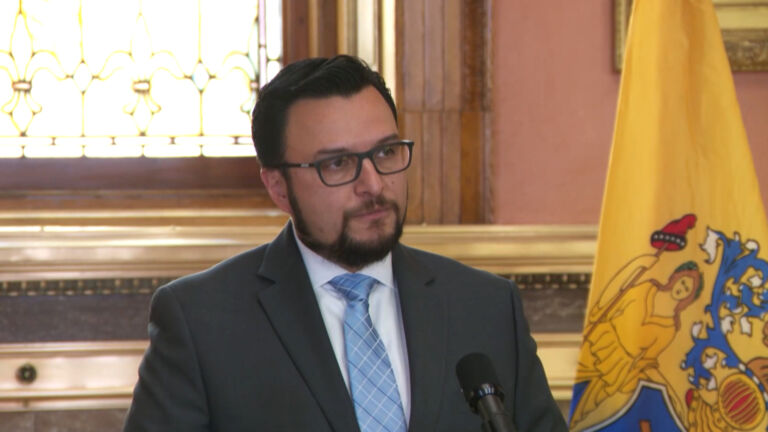
Murphy has nominated or announced his intention to nominate more than 150 judges since the start of this legislative session in January 2021 and the Senate has so far confirmed about 85% of them.
“We’ve been moving in a methodical fashion like we always do,” Scutari, who chaired the judiciary committee before taking over as Senate president in January 2021, said after Monday’s voting session. “But just because the governor nominates somebody, that’s the beginning. That’s not the end of the process. The confirmation process has meaning.”
— Map by Colleen O’Dea