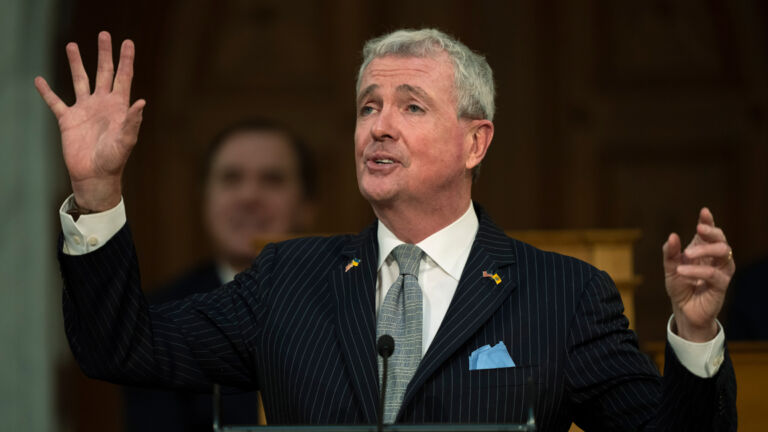
Credit: (OIT/NJ Governor’s Office).
As many New Jersey seniors struggle with inflation and rising property taxes, Gov. Phil Murphy is signaling a willingness to change how benefits are distributed for one of the state’s most popular property-tax relief programs.
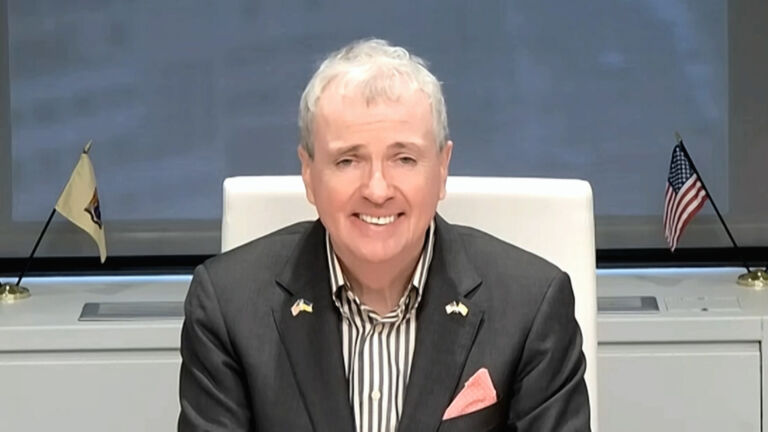
Speaking during a telephone town hall with members of the AARP advocacy organization Tuesday, Murphy said he is open to converting state-funded “Senior Freeze” benefits into direct credits on property-tax bills.
Doing so would save eligible senior and disabled homeowners from having to first pay their full property-tax bills, especially at a time when many are under financial strain.
“The concept is something I like a lot,” Murphy told AARP members during an event that also included discussions related to prescription drug costs and challenges faced by caregivers, among other issues.
Established in 1997, Senior Freeze provides state-funded reimbursement checks to offset, or “freeze,” increases in property taxes once homeowners become eligible for the program in what’s known as their base year.
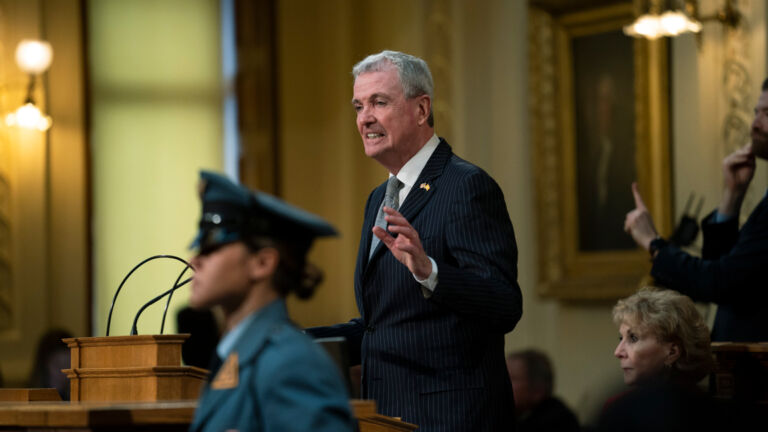
Murphy, a second-term Democrat, has already proposed expanding eligibility for the program — officially called the Property Tax Reimbursement — which is offered to homeowners with disabilities and those 65 and older.
Under a proposal unveiled last month, annual income limits for Senior Freeze that currently hover below $100,000, depending on the year, would be increased to $150,000. A 10-year residency requirement currently in place would be shortened to three years under Murphy’s proposal.
Making those changes, Murphy told AARP members Tuesday, would make an estimated more than 50,000 additional senior and disabled homeowners eligible for Senior Freeze reimbursements. As of now, 160,000 eligible recipients are sent benefits each year, according to budget documents.
Make it a direct credit?
When the event shifted to a question-and-answer format, a caller from Bergen County who cited concerns about high gas prices and inflation asked Murphy whether the state could help seniors out more by providing Senior Freeze benefits as a direct credit.
For years, lawmakers have discussed such a change, arguing direct credits would be especially useful for those living on fixed incomes.
The proposed change could also deliver savings for the state; a conversion to direct credits would mean the state would no longer have to pay postage for reimbursements that get mailed out each year to the thousands of eligible recipients.
There is some precedent for converting state property-tax relief benefits from checks to direct credits on quarterly tax bills.
A little over a decade ago, former Gov. Chris Christie converted checks that used to be funded by the state’s Homestead property-tax relief program into direct credits on individual property-tax bills to save the state money while, at the same time, effectively reducing what a homeowner paid annually in property taxes.
Last year, Murphy and lawmakers replaced Homestead with a program called “Anchor,” with the first benefits from that program going out to eligible recipients starting later this month, according to the administration. But Anchor is using the old format of providing relief benefits through checks or via direct deposit.
In recent months, legislation seeking to convert Senior Freeze into a direct credit program cleared a key Senate committee with bipartisan support.
The ‘devil is in the details’
This year’s push to make the changes to the program comes as concerns about inflation and overall affordability have converged with the latest election year for the full, 120-seat Legislature. It also comes after the state released new data that indicated the average New Jersey property-tax bill went up by more than $200 last year, to a record-high $9,490.
Any changes to the Senior Freeze program would likely come as Murphy and lawmakers hammer out a deal on a new budget before the July 1 start of the state’s next fiscal year.
Lawmakers are hosting a series of public hearings to review the $53.1 billion annual budget proposed by Murphy, with the first held Tuesday at Ramapo College of New Jersey.
‘There’s no reason why the state of New Jersey should be putting the burden of the cost of interest rates and the cost of that money on your back. At the end of the day, the right answer is it should be on our back.’ — Gov. Phil Murphy
Murphy generally shies away from talking about pending legislation that he hasn’t already endorsed. But he told AARP members Tuesday to “stay tuned” as he detailed the concerns that many recipients have with the program’s current reimbursement timeline.
“You pay the property tax up front [and] you then have to go through a process to get reimbursed,” he said.
“There’s no reason why the state of New Jersey should be putting the burden of the cost of interest rates and the cost of that money on your back,” Murphy said. “At the end of the day, the right answer is it should be on our back.”
Still, Murphy also warned the “devil is in the details” as he discussed making such a policy change, leaving the impression a conversion to direct credits is not imminent.