Credit: (AP Photo/Patrick Semansky)
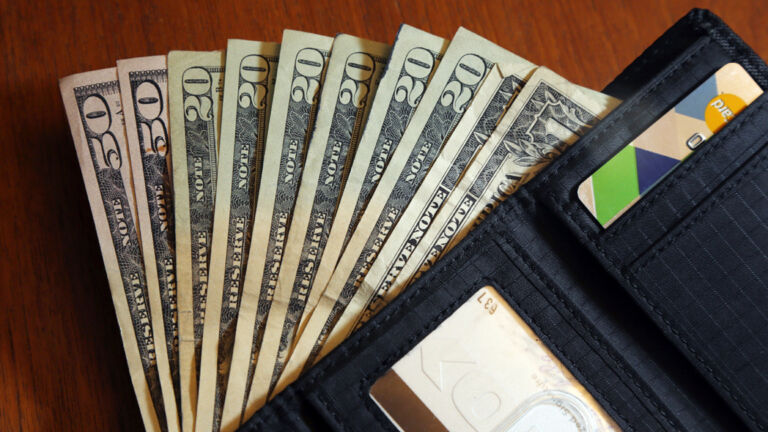
The funding from the federal government to help states combat the COVID-19 pandemic and economic turbulence it caused now tops $800 billion, according to a recent report that reviewed six different federal aid programs.
The report from The Pew Charitable Trusts also found that, since 2020, the federal pandemic aid to states has outpaced what was spent on state assistance in response to the 2007-2009 Great Recession, which hit New Jersey’s economy particularly hard.
Last year, New Jersey — where nearly 35,000 residents have died from COVID-19 since early 2020, according to state data — received more than $6 billion through the American Rescue Plan Act, a nearly $2 trillion federal aid package that was signed into law by President Joe Biden.
While much of that federal funding has already been allocated by Gov. Phil Murphy and lawmakers for things like rental and utility assistance and to prop up state trauma centers, more than $1 billion of the federal aid remains unspent.
It’s unclear when Murphy will put forward a new round of spending proposals for those remaining federal dollars, but there’s been no shortage of ideas coming from policy advocates and government officials in recent months.
Opportunity for sound fiscal planning
The authors of the Pew report said the federal government’s robust response to the pandemic will “have reverberating effects for years to come,” including as state leaders also take advantage of increased federal funding for infrastructure projects that has also been authorized amid the health crisis.
“The long-term impact of this funding is unknown, but states have opportunities to approach this unprecedented time with tools for sound fiscal planning as they navigate decision-making around these new federal funding streams,” the report said.
In addition to the American Rescue Plan Act, which provided states with more than $400 billion in funding, another $151 billion was allocated to the states through the Coronavirus Aid, Relief and Economy Security Act, which was enacted by then-President Donald Trump in 2020.
Later in 2020, another $120 billion was allocated by the federal government for state spending on things like aid for schools and enhanced testing, according to the Pew report.
Other big funding allocations included the Families First Coronavirus Response Act, which provided states with more than $60 billion across two fiscal years for programs including Medicaid, unemployment insurance and food assistance, the report said.
In 2020, states were also offered nearly $9 billion for testing from the Paycheck Protection Program and Health Care Enhancement Act, according to the report.
Under federal law, New Jersey has until the end of 2024 to appropriate the more than $1 billion remaining from the American Rescue Plan Act, and even longer to spend the money.
More than $2 billion of the state’s federal pandemic aid was allocated by Murphy and fellow Democrats who control the Legislature as part of the annual budget which went into effect July 1.
Among other appropriations, $300 million in federal funding was allocated for water infrastructure improvements and $170 million for home lead-paint remediation, according to budget documents. A sum of $15 million was also allocated for unemployment system upgrades.
Earlier pandemic aid appropriations included $500 million for rental assistance and $450 million for state trauma centers, according to the budget documents.
Lots of leeway
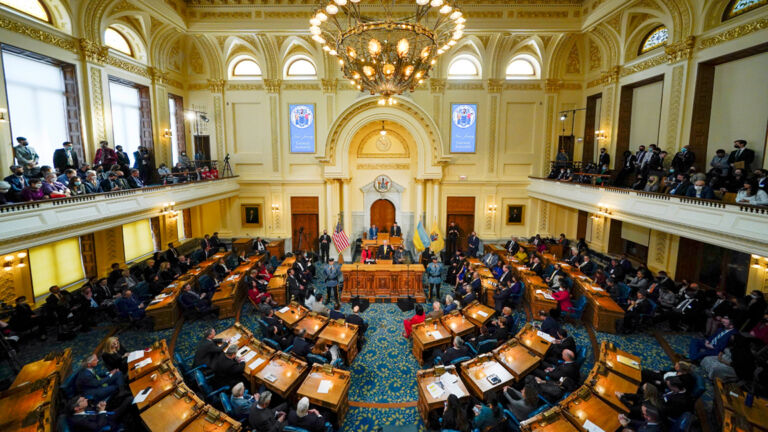
In addition to those and other appropriations, language written into the state’s budget for the 2023 fiscal year also gave the governor broad powers in determining how to use leftover federal dollars. The same budget language also carved out an ongoing role for the Legislature’s Joint Budget Oversight Committee.
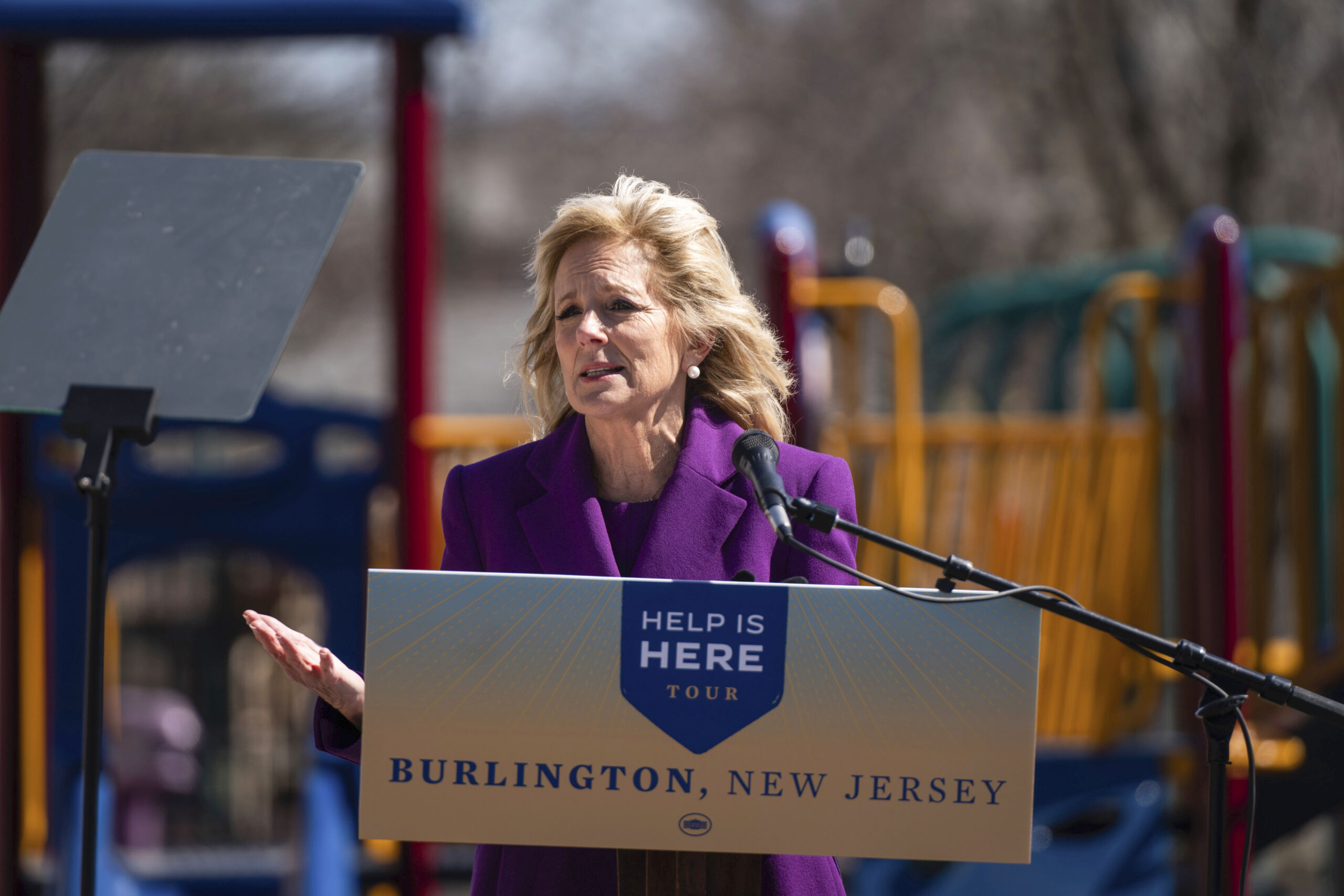
Over the summer, the Murphy administration hosted a series of virtual sessions where invited policy advocates said the remaining federal dollars should go for everything from homelessness-prevention efforts to relief programs for small businesses. They also called for the remaining funds to be distributed equitably and in a more transparent manner than prior allocations.
It remains to be seen how Murphy and lawmakers will respond to the numerous calls for aid that have been aired in recent months by government officials and policy advocates.
In more recent weeks, county and municipal government officials have also been urging the administration to allocate some of the remaining federal dollars to help offset rising costs related to public-worker health-insurance premiums that have been blamed at least in part on the pandemic.
Without cash assistance from the state, local officials have warned the rising costs related to worker health benefits could lead to increased property-tax bills, even as Murphy and lawmakers have sought to ease concerns about high property taxes by rolling out a new state-administered relief program.
It remains to be seen exactly how Murphy and lawmakers will respond to the numerous calls for aid. Last year, a new batch of federal spending items was put before the Joint Budget Oversight Committee in late November.
Reached last week, officials from Murphy’s office said the administration and legislative leaders are engaged in ongoing discussions, but they did not offer any additional details.