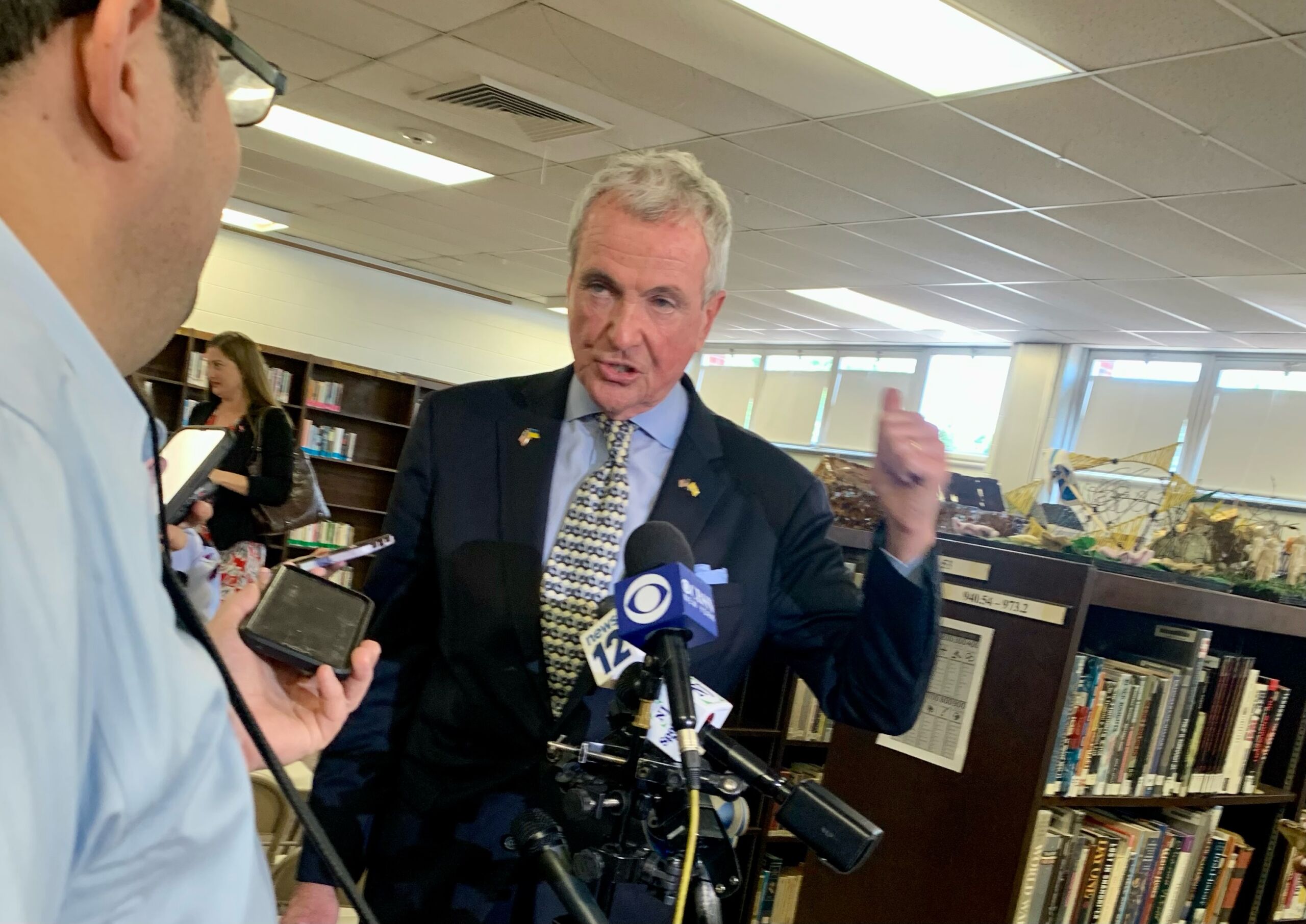
Credit: (AP Photo/Seth Wenig)
With more than $1 billion in federal pandemic aid left to spend, Gov. Phil Murphy’s administration has heard this month from dozens of advocates seeking increased funding for everything from homelessness-prevention efforts to support for the arts community.
Other groups and individuals affected by the still ongoing COVID-19 health crisis have also been encouraged to provide the administration with written comments via email.
It remains to be seen just how many of the concerns that have been identified by residents over the last several weeks — including during the latest virtual session held Monday by the governor’s office — will be addressed.
But Murphy’s office is promising to work closely with lawmakers to distribute the remaining federal aid, with concerns about equity and inclusion identified as top priorities.
“After receiving input from the public regarding their proposals for the use of New Jersey’s remaining (federal) funds, the administration will work in partnership with the Legislature to determine the best use of these funds to aid our state’s recovery from the COVID-19 pandemic,” Murphy spokeswoman Christi Peace said following Monday’s event.
‘We want to reach as many New Jerseyans as possible … but we are also worried about creating new, long-term commitments that the state won’t be able to afford in the future.’ — Dennis Zeveloff, Gov. Murphy’s chief policy adviser
In all, New Jersey last year received more than $6 billion from the federal American Rescue Plan Act, a nearly $2 trillion pandemic relief and stimulus package enacted by President Joe Biden in response to the health crisis.
Murphy and fellow Democrats in the Legislature have appropriated much of that funding, including dedicating the federal money as part of the state’s last two fiscal year budgets.
$1.4 billion left to spend
Among other areas, portions of the federal aid have been allocated to affordable housing, water infrastructure upgrades and better funding of state trauma centers. Funds have also been set aside to cover needs including rent and utility assistance for those beset by the economic downturn at the onset of COVID-19.
Under federal law, New Jersey has until the end of 2024 to appropriate its remaining $1.4 billion, and even longer to actually spend the money.
But there’s also been some concern that the potential for a political shift in Washington, D.C. following this year’s federal elections could embolden those who have been calling for aggressive clawbacks of any unspent pandemic aid.
Language written into the state’s fiscal year 2023 budget gives the governor broad powers and the ability to move quickly in determining how to use the state’s leftover federal dollars.
That budget language also carved out a role for the Legislature’s Joint Budget Oversight Committee that was established by Murphy and Democratic legislative leaders last year.
Equity, inclusion in fund distribution
Monday’s virtual session, held for those invited by the administration, lasted over two hours. Dennis Zeveloff, Murphy’s chief policy adviser, told attendees that the administration is committed to working closely with legislative leaders to ensure equitable distribution of the remaining federal aid.
Under federal law, New Jersey has until the end of 2024 to appropriate its remaining $1.4 billion, and even longer to spend it down.
The goal is to “maximize impact in terms of spurring COVID recovery and building a stronger and fairer New Jersey,” Zeveloff said.
“We do want to make sure we are reaching as many New Jerseyans as possible and providing as large a benefit across a few different programs, but we are also worried about creating new, long-term commitments that the state won’t be able to afford in the future,” he said.
Zeveloff did not share any specifics about how quickly the administration is planning to advance future federal-aid appropriations following this month’s information gathering.
After Monday’s event, Peace said the administration would be making decisions “in accordance with the timeline set by the federal government for the obligation and use of these ARP funds.”
Aid for arts, immigrants, hotels?
During the event itself, Gabriel van Aalst, president and chief executive officer of the New Jersey Symphony Orchestra, urged the administration to prioritize funding for the state arts community.
“The arts bolster our local economies through related consumer spending by patrons and drives more than $662 million to our state’s economy annually,” van Aalst said. “Accessible arts and community cultural programs enrich the lives and well-being of those who experience them.”
Funding is also needed to improve services to New Jersey’s immigrant youth population, said Sarah Nolan, legal director of the New Jersey Consortium for Immigrant Children. They include legal, educational and mental health and wellness services, she said.
“At this critical moment following the pandemic, funding for these areas will ensure that New Jersey is a state where the most vulnerable of children can have a great future,” Nolan said.
And Dana Lancellotti of the New Jersey Restaurant and Hospitality Association said the state’s hotels remain in need of targeted assistance after being hit hard by the pandemic.
“Our hotels are still climbing out of the aftermath of the crippling travel bans, as well as the shift to our new world of virtual versus live conferences and meetings,” she said. “Entertainment venues, expos, festivals and sporting events are still in recovery.”