Credit: (AP Photo/Eduardo Munoz Alvarez)
Thirteen leading environmental groups in the state have stepped up pressure on the Murphy administration to implement a proposed emergency rule that would redraw flood maps to match the bigger storms that are coming with climate change.
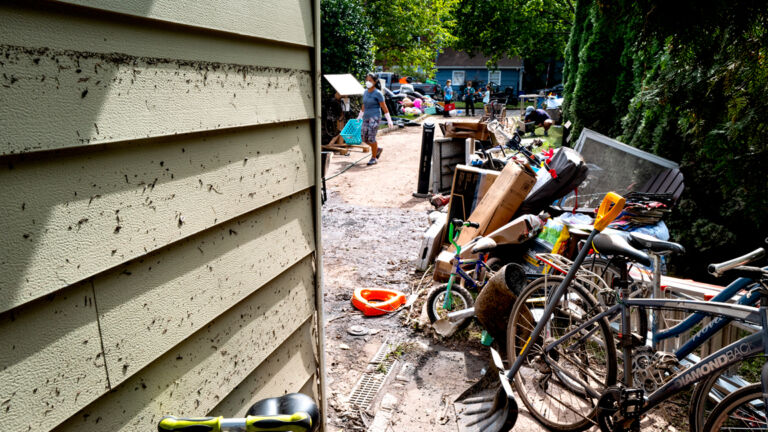
On the eve of the first anniversary of Tropical Storm Ida, which killed 30 people in New Jersey and caused unprecedented inland flooding, groups including the Sierra Club and Watershed Institute accused the administration of backsliding on its commitment to fight the effects of climate change and of caving in to opposition from the business community.
“These 100-year and 500-year floods are now happening less than every 10 years,” said Jennifer Coffey, executive director of the Association of New Jersey Environmental Commissions, one of the groups that signed the statement. “The climate has changed so significantly in the past few decades that our flood hazard rules and maps are significantly outdated.”
‘We have to modernize our flood standards. We cannot accept developers telling falsehoods … because DEP wants to change a rule.’ — DEP Commissioner Shawn LaTourette
In the statement, the groups urged the state Department of Environmental Protection to immediately launch the rule, which would raise inland flood zones by 2 feet compared with current maps. Officials say the old maps are outdated because they are based on data no more recent than 1999, and don’t reflect the current reality of a changing climate.
In May, the DEP proposed issuing the rule on an emergency basis rather than subjecting it to the normal lengthy rule-making process of public comment, revision and approval. In presentations to environmental and business leaders that month, the DEP said the emergency rule — the first issued for a decade — was justified by “imminent peril” to the public amid a rapidly changing climate.
Storm of protest from business community
But the plan generated a storm of protest from business leaders who argued that it would reduce the state’s buildable area by up to 400,000 acres, while imposing heavy costs and uncertainty on builders who have planned construction in the proposed new flood zones.
The protests appeared to stall the agency’s plans to implement the plan in mid-June, and the administration has since promised more stakeholder sessions before moving forward. Those sessions have not been scheduled.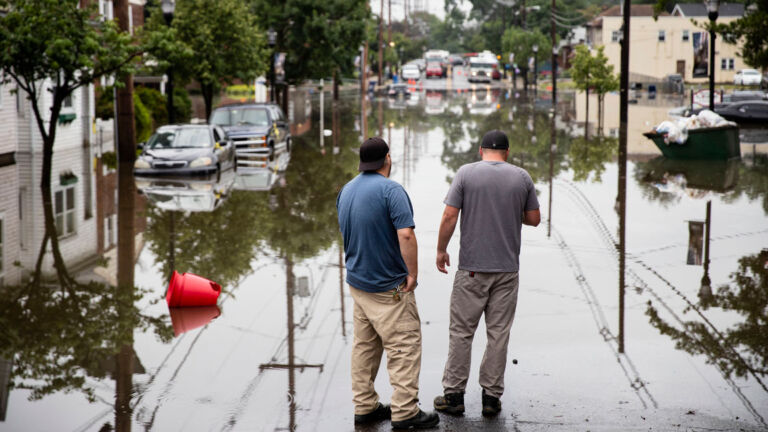
DEP Commissioner Shawn LaTourette rejected the business community’s objections to the proposed rule when he spoke to state lawmakers on Aug. 11. “We have to modernize our flood standards. We cannot accept developers telling falsehoods and running around with their hair on fire because DEP wants to change a rule,” he said.
Now, critics of the administration’s apparent change of heart say there’s no justification for further delay, and have renewed an earlier call to release the rule immediately.
“We need Governor Murphy to make good on his climate resiliency commitments and release the DEP’s common-sense proposal to keep new homes and businesses out of places that we know flood,” said Coffey of the environmental commissions’ association.
In January 2020, Murphy issued Executive Order 100, which noted that New Jersey is especially vulnerable to the effects of climate change. He directed the DEP to integrate climate change into its regulatory and permitting programs, and instructed it to adopt a new set of regulations called Protecting Against Climate Threats (NJPACT) within two years of the order.
More NJPACT rules needed?
But the only part of the rule package that has been adopted so far is the Advanced Clean Truck rule to limit emissions from diesel trucks. No NJPACT rules on land use have even been proposed, let alone adopted, and that calls into question Murphy’s commitment to implementing his climate-change promises, advocates say.
“If the emergency Flood Hazard and Stormwater rule provisions were in place when Ida struck, lives would have been saved,” said Elliott Ruga, policy and communications director at the nonprofit New Jersey Highlands Coalition, which also joined the latest call. “If DEP had adopted them as planned under emergency rulemaking they would have been in place before the next Ida. But development interests prevailed with the governor, who derailed the emergency adoption. Now it is a gamble whether more lives will be lost.”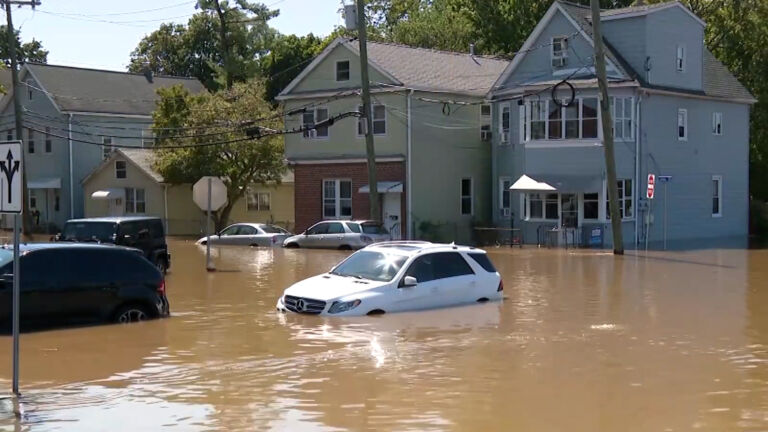
Bailey Lawrence, a spokesman for Murphy, on Friday declined a series of questions on why the rule was not implemented as planned in June, or when or whether it will now be implemented. He continued to promise more stakeholder sessions, although provided no further details.
“As extreme weather events become more frequent and severe as a result of climate change, the Murphy Administration remains committed to bolstering the resilience of communities across the state. We will continue to pursue modernized flood and stormwater regulations based on the best available science while providing ample stakeholder engagement opportunities to receive input from impacted parties,” Lawrence said.
‘If the emergency Flood Hazard and Stormwater rule provisions were in place when Ida struck, lives would have been saved.’ — Elliott Ruga, New Jersey Highlands Coalition
The New Jersey Business & Industry Association, which led 19 groups in protesting the proposed rule to Murphy in June, said it still rejects the DEP’s justification for an emergency rule. Spokesman Ray Cantor said the association does accept that flood rules need to be updated but argued that should happen through the regular rule-making process. He said he has heard nothing about any more stakeholder sessions but has been assured that those meetings will take place before any rule goes forward.
“We do not believe that there is an imminent threat to public health and safety from flood projections 80 years out,” Cantor said. “Any rule proposal should go through the normal administrative process allowing the public the full opportunity to comment.”