
 Credit: (NJ Spotlight News)
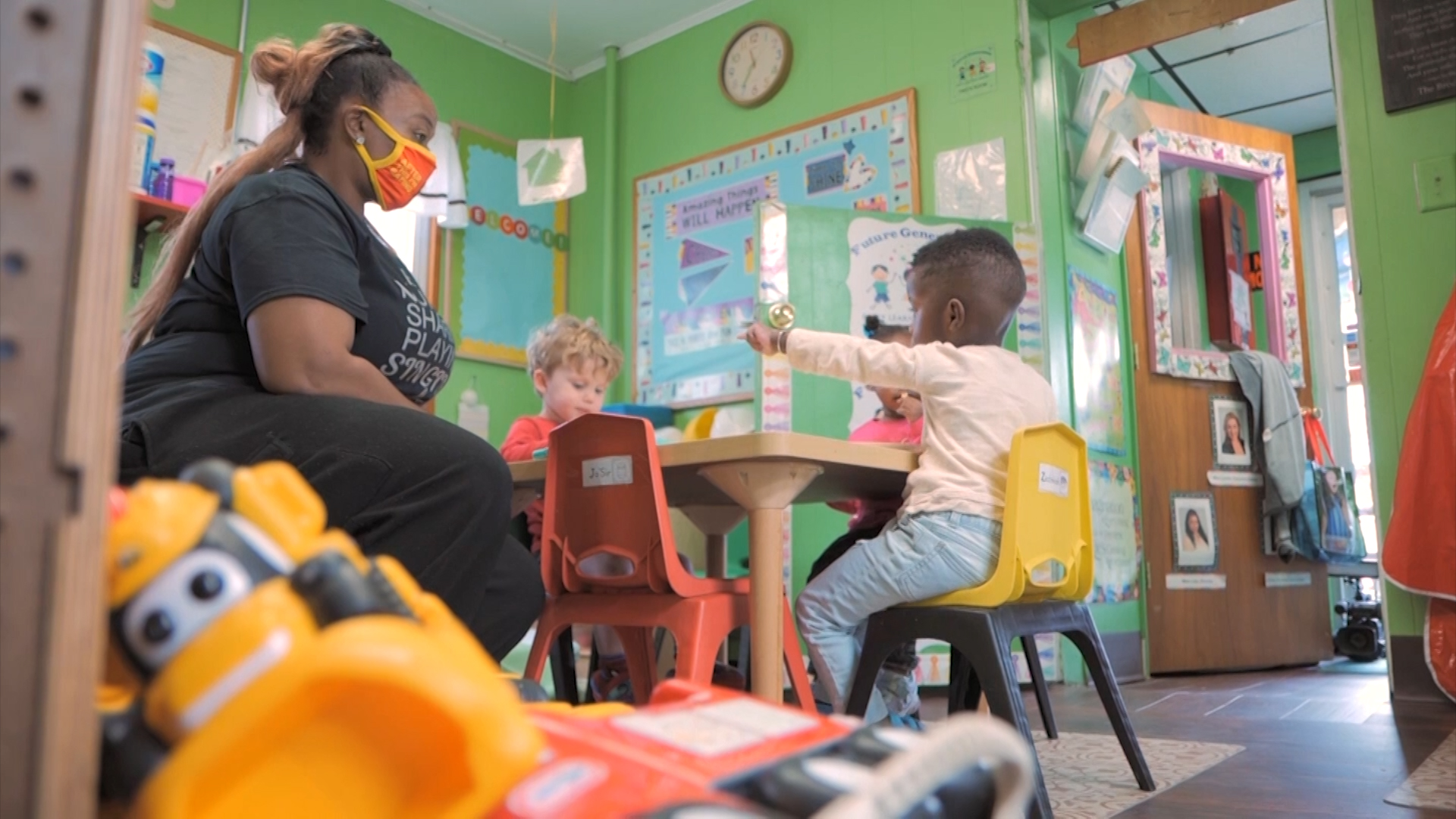
Concerns about New Jersey’s strained child-care system continued to be a key topic of discussion during the Legislature’s second day of public budget hearings.
Several of those who testified remotely before the Assembly Budget Committee on Wednesday used the word “crisis” to describe an industry that has been hit hard by staffing shortages and other challenges during the coronavirus pandemic.
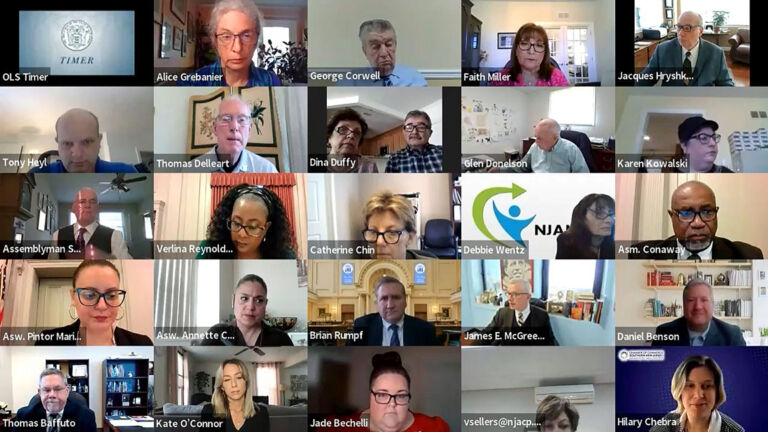
The committee used an all-remote format for this week’s hearings after first employing it last year in response to the health crisis. Lawmakers say it has increased public participation in the budget process.
Taking testimony
During Wednesday’s hearing, the committee took hours of testimony from dozens of representatives of organizations that rely on state funding to provide key services across New Jersey, including groups for seniors and those with developmental disabilities and mental illness.
But the panel also heard from many individuals, including those who provide child-care services in New Jersey. Concerns about the health of the child-care industry were also aired on Monday during the first day of public hearings for a nearly $49 billion budget put forward by Gov. Phil Murphy earlier this month.
Record spending, but NJ needs to do more, advocates tell lawmakers
Before the pandemic, lawmakers for years held in-person public hearings to take testimony on the state budget from residents. They were held either inside the State House in Trenton or at other locations throughout the state.
The in-person format required participants to travel to and from the hearings, and to also devote additional time for waiting until it was their turn to testify before the committee. And their testimony itself was limited to just three minutes.
In this remote format, residents, lobbyists and others wishing to testify still must register beforehand and are also still limited to three minutes of testimony. But they no longer have to travel to a specific location to testify. Instead, they can now wait at home or in their offices until it is their turn, as long as they have access to a smartphone, home computer or other technology that enables them to testify remotely.
Distance makes a difference
Speaking Monday at the start of this year’s legislative budget hearings, Pintor Marin said the new format has already made a difference.
“We had such an amazing turnout last year and I think it really gives us an opportunity to hear people that probably would have a hard time coming to Trenton or other places in the state,” she said. “It gave everybody an opportunity and expanded our base of those signed up to testify.”
The remote format will be utilized for two public hearings that the Senate Budget and Appropriations Committee is planning to hold as well to review Murphy’s budget plan, which calls for increasing overall spending by more than 5% year-over-year but without increasing taxes.
The Senate committee’s first public hearing is scheduled for March 29. But this year, Committee Chair Paul Sarlo (D-Bergen) said a second public hearing won’t be held by his committee until several weeks later, on April 21.
This will for the first time offer participants an opportunity to testify after the budget committees have begun taking testimony from the state treasurer and other key executive branch officials. Doing that will likely mean “we don’t hear the same concerns two hearings in a row,” Sarlo said earlier this week.
“Perhaps some issues will get resolved (and) perhaps some new issues will arise during that process,” Sarlo said.
The Legislature’s public hearings kick off a lengthy budget review process administered by lawmakers during the months leading up to the July 1 start of a new fiscal year.
Divvying up the dollars
And while the public hearings are primarily convened to discuss the budget for the next fiscal year, also coming up for discussion this year has been the roughly $3 billion in unspent federal pandemic aid that lawmakers and the governor have agreed to divvy up in a cooperative manner.
In past years, testimony from the public hearings has at times been influential with lawmakers, who ultimately are responsible for drafting the state’s annual appropriations act before sending it to the governor for final adoption before the July 1 deadline.

In largest state budget ever, Murphy wants more for schools, property-tax relief
This year, the testimony about the state’s child-care industry appears to be making an impression on lawmakers. In recent days, they’ve heard compelling stories about parents desperately seeking openings at local child-care centers for their children so they can begin a new job. Lawmakers have also heard from service providers struggling to keep staffers who are being lured away by the competitive salaries and benefits being offered in many other industries during the pandemic recovery.
“We feel for you, and for the parents,” Pintor Marin told Jill Cimafonte, director of early childhood education at Westfield-based Temple Emanu-El, during Wednesday’s hearing.
“This is a crucial time and I appreciate your listening,” Cimafonte said.
Anyone wishing to register to participate in the upcoming Senate committee hearings can do so at the Legislature’s website.
