Credit: (AP Photo/Brennan Linsley, File)
The New Jersey State Parole Board was correct in denying parole to 85-year-old Sundiata Acoli, convicted of killing a state trooper in 1973 in a high-profile case, because it deemed he might reoffend if released, the state attorney general’s office argued before the Supreme Court on Monday.
The board is well-qualified to make that decision and concerned about recidivism, Assistant Attorney General Stephanie Cohen told the court, saying “deference must be afforded” to that decision.
The board used a psychological evaluation as part of its review of all the factors both in favor of and against parole for Acoli before determining not to release him in 2017, Cohen said. Acoli, former Black Panther, was convicted in the shooting death of Trooper Werner Foerster after a traffic stop on the New Jersey Turnpike. With Acoli that day was JoAnne Chesimard, who was also convicted in the murder. She later escaped the Edna Mahan Correctional Facility for Women and remains one of the state’s — and nation’s — most wanted fugitives.
Advocates say that without parole Acoli would essentially be serving a death sentence since he is suffering from dementia and complications from COVID-19 he contracted in prison. While the case before the court Monday only focused on Acoli, his supporters hope the case may impact the sentences of an estimated 500 elderly inmates held in New Jersey state prisons, many of whom have been denied parole. Acoli is being held in federal prison in Maryland.
Evaluation by psychologist
Cohen said the psychologist who did the evaluation for the parole board “pointed to a lot of Mr. Acoli’s wooden and rehearsed answers, his inability to really focus, his external and internal examination and she concluded from that that he was a risk.” The board took other factors into account and “ultimately, it’s the decision of the agency to make that determination,” Cohen continued, saying that courts rarely overturn parole denials.
This was the fourth time the parole board denied Acoli, born Clark Edward Squire. Acoli was sentenced to life in prison plus up to 30 years and he first became eligible for parole in 1993. The parole statute in 1973 stated that an inmate be released on parole when he becomes eligible unless “a preponderance of the evidence” shows a “substantial likelihood that the inmate will commit a crime” when released. Acoli’s lawyer argued the board did not meet that standard in its most recent denial of parole. The board ordered Acoli to serve another 15 years before being eligible again.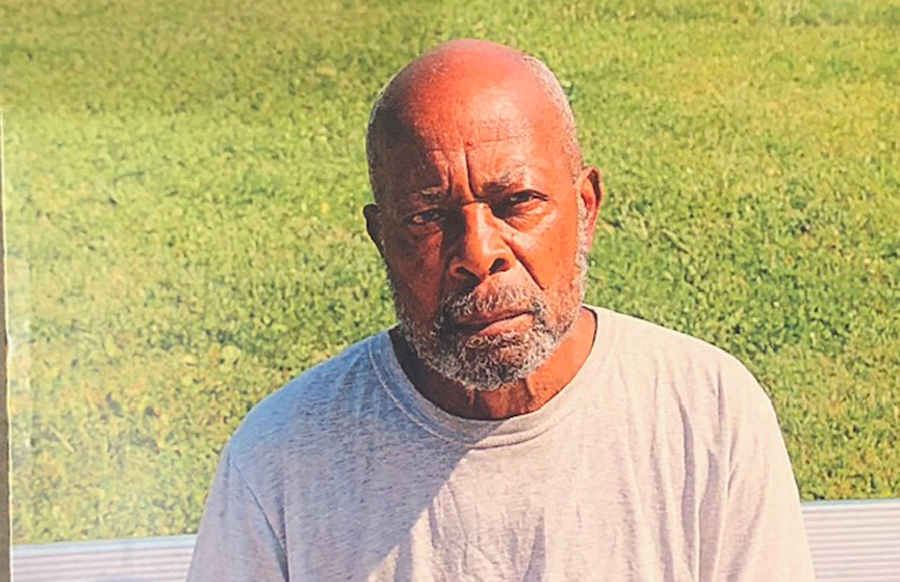
Acoli appealed his latest denial and a split appellate panel affirmed the board’s decision, allowing for an automatic appeal to the Supreme Court.
 Credit: (John O'Boyle/Star Ledger)
Associate Justice Barry Albin dissented from an earlier Supreme Court decision that sent Acoli’s 2011 denial back to the board for a more robust hearing because it would create “a merry-go-round that will extend the incarceration of Acoli — but for no rational or just purpose.” During Monday’s hearing Albin sharply questioned Cohen about the board’s reasoning. Albin enumerated factors that would seem to support Acoli’s release and Cohen agreed that each was correct.
“Acoli had 30 years infraction-free, correct?” Albin asked. “And he was considered a model prisoner, correct? His institutional reports had said he displayed a positive rapport with both staff and inmates, correct? He completed at least 100 different programs for self-improvement, as well as vocational training, yes? He was a prison representative for the correctional facility’s social resource organization as a result of ‘his positive institutional record,’ correct? In 2008, the prison staff reported that he had demonstrated adequate coping skills and ability to establish positive interaction with others and that he was expected to be able to transition to community parole. Those are from his institutional reports, correct? Those were never referenced at all during the hearing, were they?”
Good behavior
Cohen said that while those had not been referenced, they were in the record, but his good behavior does not guarantee him parole. When Albin pointed out that the record shows Acoli had accepted responsibility for the murder, apologized and said he now “fully” embraces living a peaceful, nonviolent life, Cohen said the parole board “didn’t believe Mr. Acoli; they didn’t believe his sincerity or his remorse.”
Acoli’s lawyer and three attorneys representing groups that filed friend-of-the-court briefs gave a host of reasons for why the court should not believe the parole board. Those reasons included studies that show the older a person gets, the less likely he is to reoffend and that Acoli’s health is failing — he suffers lasting effects from COVID-19 that he contracted in prison and is, his supporters say, in the early stages of dementia. Cohen disputed whether Acoli has Alzheimer’s and said the court should not be concerned with arguments other than whether the board’s decision was reasonable.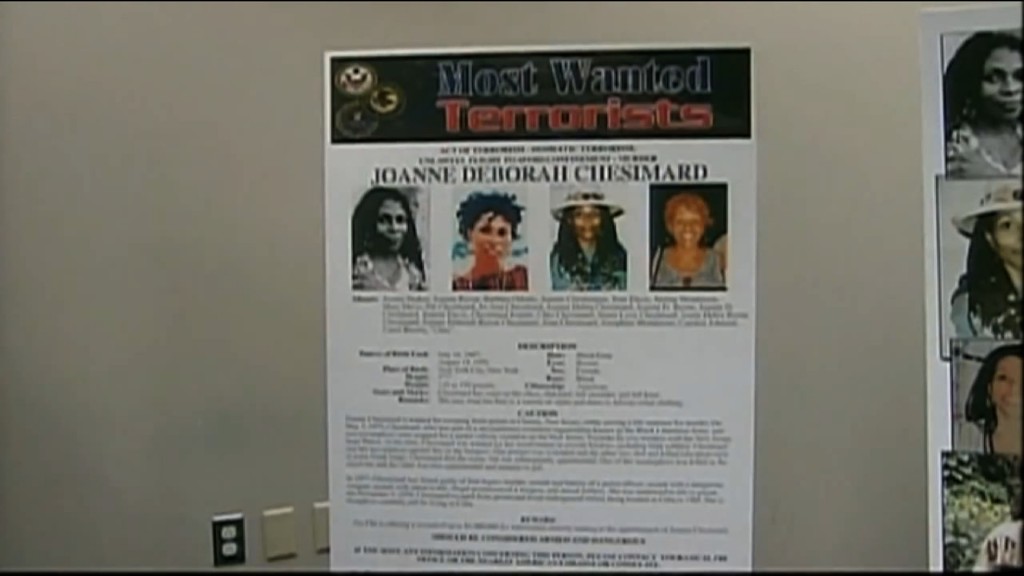
Bruce Afran, Acoli’s attorney, argued that the board did not provide a factual basis for denying him parole.
“What comes out of the state’s argument is still there is no substantiated reason to deny parole, no idea of what kind of crime he is going to commit, no ability to point to a given fact that really shows a likelihood of crime,” Afrin said. “I would say Mr. Acoli is a proper product of our correction system. Despite the gravity of the offense, he has lived in one of the worst environments in the world … without a single violation almost 30 years. This man has shown he can survive and live productively, peacefully and within the law, despite the gravity of what he did, and despite the early philosophy that led to that.”