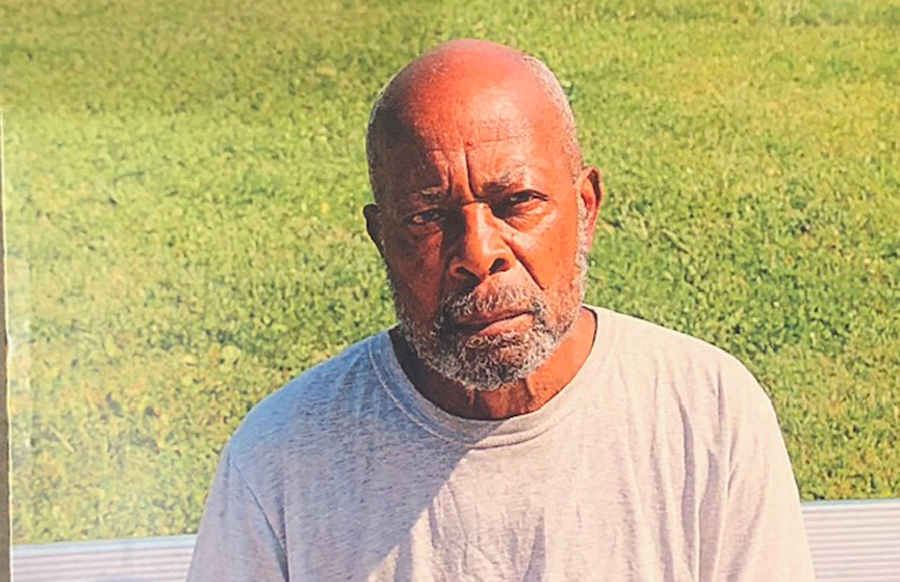
 Credit: (The Sundiata Acoli Freedom Coalition)
 Advocates are pushing for the release of an 85-year-old man who has spent almost half a century in prison for the infamous fatal shooting of a state trooper on the New Jersey turnpike that also involved JoAnne Chesimard, one of the state’s — and nation’s — most wanted fugitives.
Sundiata Acoli was a member of the Black Panther Party and Black Liberation Army when he was charged with the 1973 murder of Trooper Werner Foerster. Now his lawyers are asking the state’s highest court to overturn a 2019 appellate decision to uphold the state Parole Board’s decision in 2017 to deny him parole and require him to serve another 15 years before being eligible for consideration again. Advocates say that would essentially be a death sentence for the man, who is suffering from dementia and complications after he contracted COVID-19 in prison.
The case before the Supreme Court on Monday involves only Acoli, who was born Clark Edward Squire, and what advocates say is the parole board’s improper actions in denying him parole despite what they call a 40-year clean disciplinary record and statistical evidence that the older a person gets, the less likely he will be to reoffend when released. Advocates, who spoke to the media Thursday, hope the case may impact the sentences of an estimated 5,000 elderly inmates held in New Jersey state prisons, many after being denied parole. Acoli is being held in federal prison in Maryland.
The Rev. Lukata Mjumbe, pastor of the Witherspoon Street Presbyterian Church in Princeton, said his congregation has a large number of senior citizens and they consider it “an outrage” that so many elderly inmates remain imprisoned.
“We truly hope … that when Sundiata is brought home and the attention that comes around it will open the floodgates for justice to continue to roll down like water,” Mjumbe said.
Most recent parole denial was in 2017
The parole statute that existed in 1973 stated that an inmate be released on parole when he becomes eligible unless “a preponderance of the evidence” shows a “substantial likelihood that the inmate will commit a crime” when released. Acoli, who has been denied parole several times since becoming eligible in 1993, appealed the board’s most recent denial in 2017, saying the decision was arbitrary and capricious. A split appellate court ruling affirmed the board, which it said considered Acoli’s entire record, a “critical confidential report by a new psychologist” and conflicting responses Acoli gave about the details of the shooting in determining there was a substantial likelihood Acoli would commit another crime if paroled.
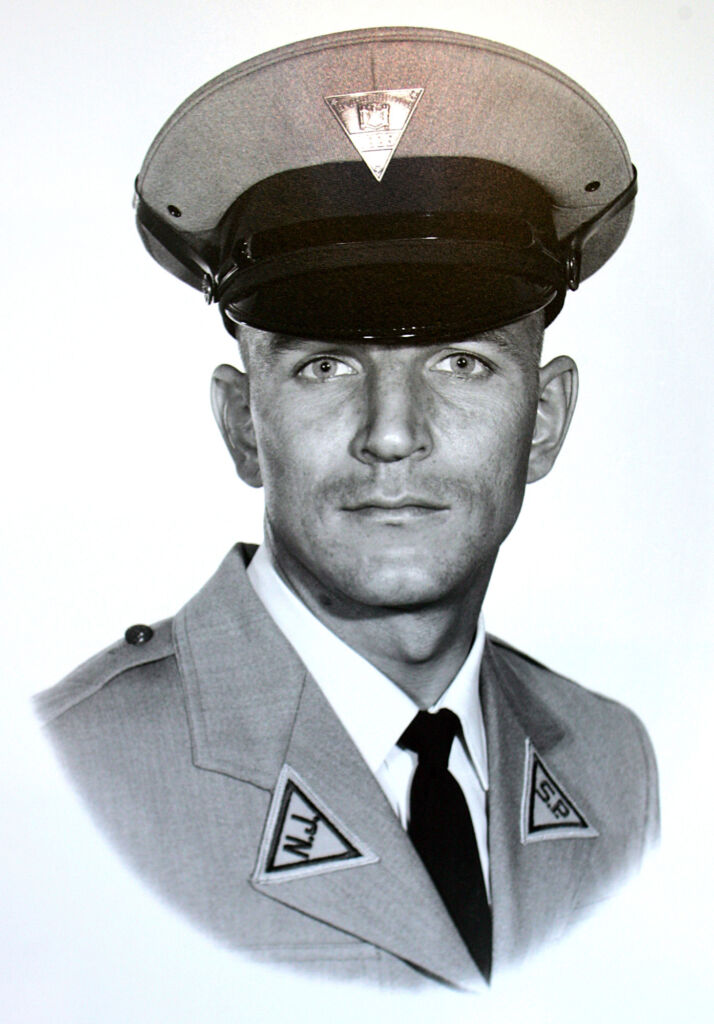 Credit: (AP Photo/Tim Larsen, File)
Foerster was killed and another trooper, James Harper, was injured, after they stopped Acoli and two other Black Liberation Army members on the turnpike because of a defective tail-light. Zayd Shakur, who was also in the car, was killed and JoAnne Chesimard, also known as Assata Shakur, was injured. Chesimard was convicted of murder and held at the Edna Mahan Correctional Facility for Women until 1979, when she escaped. She fled to Cuba and is still on the most wanted lists of the New Jersey State Police and FBI, which considers her a terrorist.
According to the appellate decision, the board considered conflicting statements Acoli gave about the shooting. First he said a bullet had grazed his head and he blacked out so he could not remember how Foerster died, but later Acoli said that while he struggled with Foerster, the trooper was probably killed by a “friendly fire shot” from another trooper. These statements indicated Acoli “lacked insight into his criminal behavior” and “failed to take responsibility” for shooting Foerster, the parole board said. The board also stated that Acoli had “failed to show how his criminal thinking pattern changed.”
In his dissent, Judge Gary Rothstadt wrote that parole decisions are supposed to be based on “an inmate’s experience and development since he committed his crime” and stated that the parole board’s denial of a man who has been a “model” prisoner creates “a disincentive for inmates to pursue proper conduct while incarcerated, thereby threatening the public’s safety.” Rothstadt disagreed that the board properly denied parole and wrote that “despite the fact that in 1974, Acoli’s sentence could not legally have been life without parole, the impact of the majority’s opinion affirming the Parole Board’s actions … imposes that very sentence on Acoli.”
The murder of a police officer is now one of the few crimes that bring a sentence of life imprisonment without parole. But that was not the case when Acoli was convicted.
Oral arguments on Monday
Seven groups, including ACLU-NJ, the state public defender’s office and three organizations representing Black law enforcement officers, filed briefs in support of Acoli. The Supreme Court has scheduled oral arguments on the case for Monday.
“The amicus briefs that have been filed, all seven of them, have argued that because of Mr. Acoli’s age, violations of due process, his failing health, his clean disciplinary record, that all of these are compelling reasons why the parole board should have granted his release,” said Soffiyah Eijah, executive director of the Alliance of Families for Justice and one of Acoli’s lawyers. “It is time for the New Jersey Supreme Court to step in and release Mr. Acoli; the court has the power to do so.”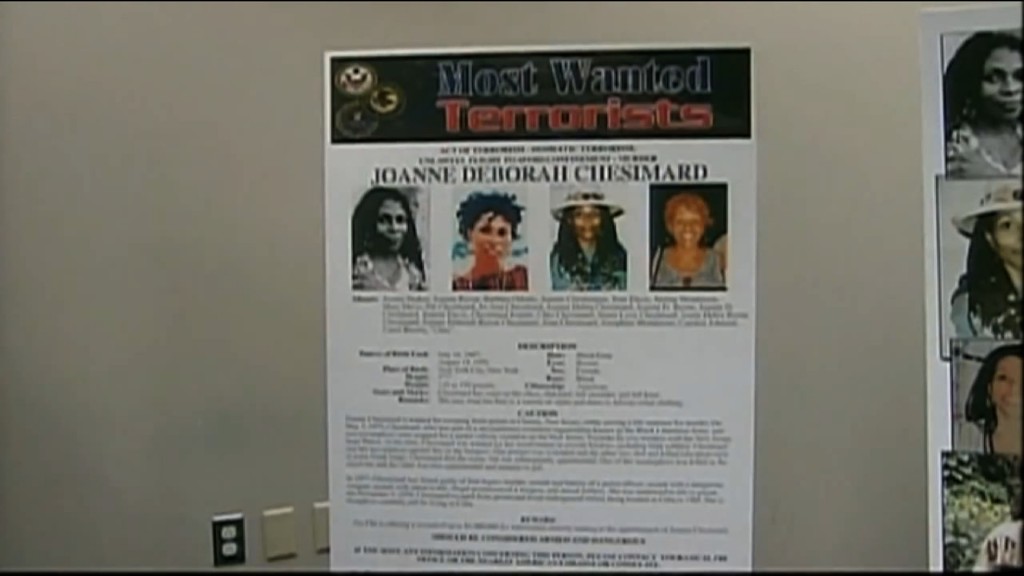
The Supreme Court is familiar with Acoli. In 2016, the court ordered the parole board to conduct a full hearing to determine whether to parole Acoli after it had denied parole following a “paper hearing.” In that decision, the court reversed an appellate ruling that disagreed with the board and ordered Acoli be released on parole.
 Credit: (AP Photo/Julio Cortez)
The state’s parole system has come under fire from the state public defender’s office. A report last September by the Office of the Public Defender Parole Project called the parole release process “fatally flawed” and stated, “The Parole Board consistently fails to uphold its mandate to release parole-eligible applicants. The result is that our clients remain behind bars beyond what the sentencing judge in their case anticipated, sometimes exceeding the initial sentence itself.”
“Anytime an individual has served their time — two times, is the time Mr. Acoli has served — and has been a model individual as he has served his time and done exactly what we expect people to do, then he should be granted parole and we’re in support of that,” said Ronald Hampton, former executive director of the National Black Police Association. “This gentleman deserves parole and a second chance.”
Rabbi Arnold Gluck of Temple Beth-El in Hillsborough said there is no societal good in keeping Acoli imprisoned.
“Sundiata Acoli is not the same person who was involved in the tragic death of Trooper Foerster,” Gluck said. “He’s been a model prisoner … He has been denied his freedom time and again for no just cause. Sundiata has repented of his sins and he has served his time. He’s paid his debt to society.”