
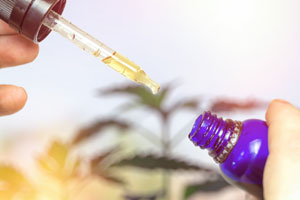
 Credit: Twenty20
If passed by the Senate — possibly next week — and signed by the governor, the new law would increase the number of medical permits for cannabis operations in New Jersey from 12 to 23; regulate the cultivation and sale of medical marijuana including edibles; develop a new category of designated caregiver for senior patients and those who need extra assistance obtaining or consuming cannabis, and establish a Cannabis Regulatory Commission to oversee the implementation of medical cannabis in the state.
When Democrats’ hopes of legalizing recreational use of cannabis via legislation died this month, plan B was a rapid medical expansion — sort of a “backdoor” to adult-use legalization as Senate President Steve Sweeney said in an interview with NJ Spotlight on Wednesday.
“This critical legislation, which would dramatically expand access to medicinal cannabis, is a potential victory for all New Jersey patients and families for whom medical marijuana would provide essential treatment, therapy and pain relief,” Assemblywoman and prime bill sponsor Joann Downey (D-Monmouth) said on the floor of the Assembly yesterday.
Voting ‘no’ because of tax provision
One legislator who voted “no,” John DiMaio (R-Morris) said he opposed the imposition of the state sales tax on the medicine. The bill would eliminate the tax in 2025 but DiMaio said that wasn’t good enough and requested the bill go back to committee for amendments.
“I don’t think it’s fair that [for] people who are sick and suffering that we should be in their pockets for money,” he said.
Almost two dozen ailments or symptoms currently are eligible for medical marijuana including opioid use disorders, ALS, and chronic pain and the program covers 46,300 patients, according to state data.

Three ounces a month
The medical marijuana bill passed by the Assembly (A-10/S-10)] would nearly double the number of permits available for medical marijuana operations to 23; it would also increase the amount of medical marijuana that patients are allowed to buy from two ounces to three ounces each month.
In addition, it would break up the permitting system, allowing businesses to serve one purpose (either retail sales, growing, or manufacturing, for example, as opposed to current law which requires businesses to be vertically integrated and do it all — grow, package, process and sell). The bill would also put a cap on the number of grower permits at 23 for the first 18 months (including the existing 12 medical marijuana dispensary licenses).
The measure would also remove a major barrier for many potential patients. Current law requires a “bona fide relationship” between doctors and patients before the practitioner can make a formal recommendation for cannabis medical treatment. In practice, this means patients must have one year or more of regular appointments under their belt with the same doctor. The new bill would remove that requirement and allow doctors to recommend cannabis as they would any other medication. What’s more, not only doctors would be able to recommend the treatment. Physician assistants and some advanced-practice nurses would also be certified to recommend cannabis for patients.
The new law would also allow those who may be physically unable to travel to a dispensary to pick up their cannabis medicine to designate two registered caregivers to collect it on their behalf. Current law restricts patients to one caregiver.
What else is in the bill?
The medical expansion bill had been tied to the adult-use legalization plan for months as Democratic leaders hoped linking the issues would earn the recreational-use bill more votes. Now that the legislative route for legalization of recreational use has died and the issue will instead be put to voters through a 2020 ballot question, many aspects of the recreational bill have been incorporated into the medical expansion plan including:
Regarding taxation — DiMaio’s concern — the bill would impose the state’s 6.625 percent sales tax on medicinal cannabis purchases, with that money to go to programs for the treatment of mental health and substance use disorders. Localities with a dispensary within their borders would also be able to levy a 2 percent transfer tax in addition.
Assemblyman Joe Danielsen (D-Somerset) agreed with DiMaio that taxing medicine is not preferred. However, he noted that the state will not be able to rely on the federal Food and Drug Administration to assist with oversight or regulation of cannabis.
“It is sad that we are taxing but remember this, we do not have an FDA to help us out, we have to be our own FDA, our own regulatory agency, and that costs money,” Danielsen said.