
A new NorthJersey.com investigative series reveals that despite decades of disability rights laws, barriers to care remain widespread. People with disabilities describe routine health care as a battleground of rushed appointments, inaccessible exam rooms and missed diagnoses.
Reporter Gene Myers, who covers disability and mental health for The Record and NorthJersey.com, said the investigation uncovered systemic issues that extend across every level of health care in the state.

“There was rushed care, inaccessible doctor’s offices, and doctors who aren’t trained,” Myers said in an interview with NJ Spotlight News. “There was just so much in every aspect of health care.”
The investigation begins with the story of Kelly Boyd, a Mercer County woman living with rheumatoid arthritis, who recounted multiple humiliating and painful encounters while seeking care. In one case, she called ahead to confirm that a doctor’s office was accessible. When she arrived, she found a curb blocking her entrance. Staff members watched her struggle to get inside but offered no help.
Once inside, she found exam tables and equipment she couldn’t use, and a doctor who seemed unprepared to treat her condition.
“He asked if she was a dwarf,” Myers said. “He hadn’t done his homework, didn’t understand her condition, and she was insulted.”
Myers said Boyd’s experience was far from unique.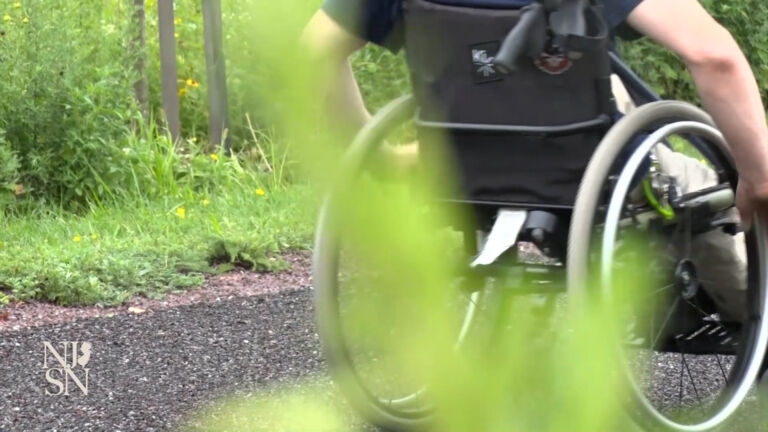
According to the World Health Organization, people with disabilities die up to 20 years earlier than those without disabilities– not because of their conditions, but because of barriers to accessible care. The investigation found that only about five fully accessible clinics operate across New Jersey. Myers says for everyone else its a “coin toss” whether a provider will be able to accommodate them.
Those barriers lead many patients to skip routine screenings and preventive visits, worsening health outcomes over time.
Adding to the problem, New Jersey ranks among the worst states for physicians accepting Medicaid– limiting care options for people with disabilities, especially adults. Myers said pediatricians often show more flexibility and training in working with patients who have special needs, leaving many families reluctant to transition to adult care.
