A long-awaited outside review of New Jersey’s preparation for and response to the COVID-19 pandemic has found that plenty was lacking.
The pandemic killed more than 33,000 in New Jersey, and the new 900-page report commissioned by the Murphy administration and released Monday outlines how COVID-19 caught federal, state and local officials off-guard, ill-equipped and poorly informed.
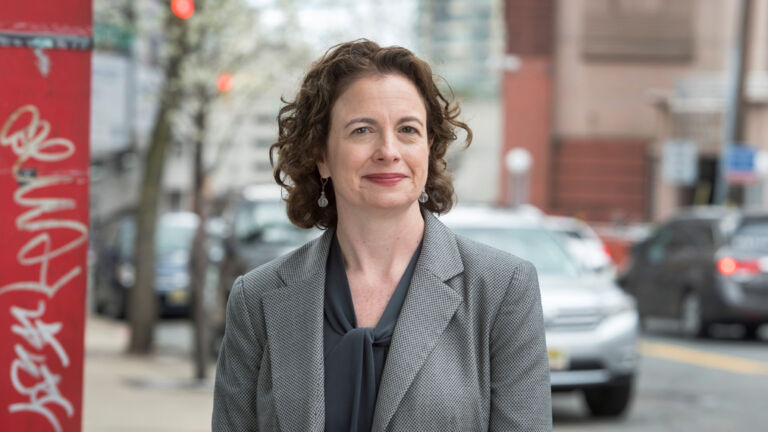
“We collectively failed — as a nation and as a state — to be adequately prepared,” said Paul Zoubek, who’s law firm conducted the review. “At the beginning of the crisis, our federal government failed to provide critical guidance as to the true nature of the COVID-19 threat, which in turn delayed New Jersey’s response to the crisis.”
Zoubek’s team dug through data and interviewed more than 500 people across state, county and local levels, from the governor’s staff to EMT and nurses still scarred and grieving from COVID-19’s onslaught.
Zoubek said New Jersey health officials depended on faulty guidance from the federal Centers for Disease Control and Prevention that failed to recognize how COVID-19 spread through the air. That gave the virus an insurmountable and deadly head start, the report said, only worsened by New Jersey’s dense population and its lack of protective gear and other infection-control protocols.
“We experienced the second highest death rate in country during the first stage,” Zoubek said, “With a disproportionate impact on Black and Hispanics during the course of that stage and throughout the crisis.”
Zoubek’s team agreed with previous scathing federal and state reports that COVID-19 hit hardest at two of New Jersey’s three state-run veterans homes in Menlo Park and Paramus.
The report praised Gov. Phil Murphy’s leadership during the crisis, especially his support of mass testing and vaccinations. Without pointing to any individual person’s failure, Zoubek said the report is a call to action — a playbook for the future — for future governors and lawmakers.
But Republicans in the Legislature said they are not satisfied and they still want answers.
“We have this god-knows-how-many-millions of dollars report that’s making calls to action that we as members of the Legislature have been begging for four years,” said state Sen. Holly Schepisi (R-Bergen).
For example, Schepisi asked why New Jersey’s Health Department told nursing homes early in the pandemic to accept COVID-19 patients.
The report contended that hospitals were overwhelmed and the homes were needed to take in patients, but they should have separated those with COVID-19. “We spoke to folks in the industry who said [state guidance] was confusing,” Zoubek said. “You have to keep in mind, though, that during March of 2020, there wasn’t widespread testing available.”
The report makes several major recommendations, including:
- Better intelligence and early warning systems
- Enhanced and adequately funded local health departments
- Improved training of state health officials and workers
- Focused protections for high-risk patients, especially the elderly and people of color
- Better evaluations on the impact of shutdowns on business and schools, noting New Jersey kept its public schools closed for too long
- Greater stockpiling of medical supplies.
In releasing the report early Monday, Murphy commented: “The report both highlights numerous examples of New Jersey’s strong leadership during the crisis, and identifies gaps in preparedness and structural deficiencies that must be addressed. I know New Jersey will be better off because of this review, and my administration looks forward to working with the Legislature on its recommendations.”
Zoubek, who said Murphy had no influence or input on the report, expressed hope the state would learn from the crisis because another pandemic will come.