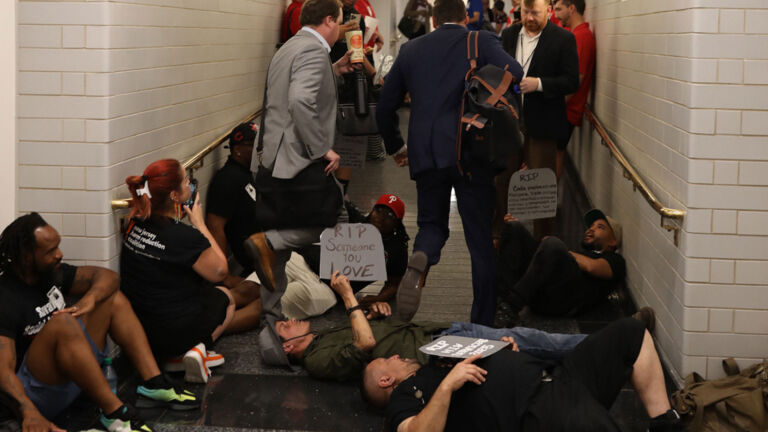
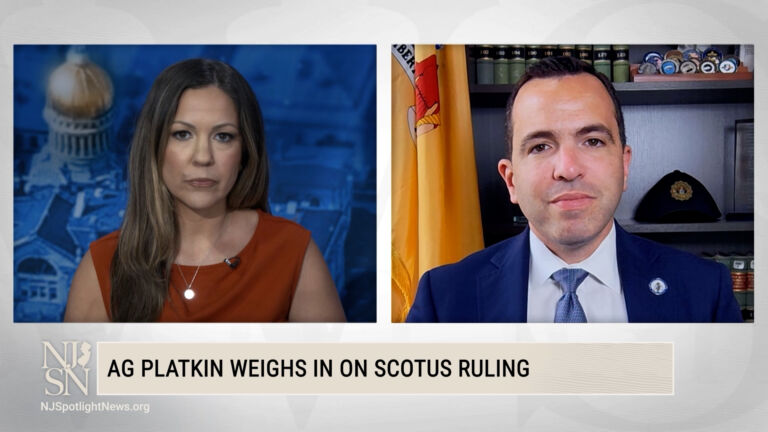
Harm reduction advocates in New Jersey are pushing back after $45 million in opioid settlement funds, originally targeted to grassroots organizations, were instead redirected to several large hospital networks.
“It’s personal for me, because I experienced it,” said Felix Duprey, navigator with the New Jersey Harm Reduction Coalition. “The first time getting sick off of heroin, I thought ‘Go to a hospital. That’s a safe haven. You’ve got doctors there to protect you.”
“Worst thing I ever did,” Duprey said. “I sat there for hours and hours. They made me feel like I wasn’t human.”
The funds, won through lawsuits brought by New Jersey and several states against opioid manufacturers and distributors, were meant to support harm reduction programs, like The Kind Collective in Trenton. That was the recommendation of the state advisory group assembled to help distribute the funds most effectively, only to see the $45 million diverted to four hospital networks in the state’s next fiscal budget.
Advocates said they were dismayed by the shift, especially amid an evolving drug supply.
“We were just understanding xylazine, now we have to learn medetomidine, we have to learn BTMPS, now there’s all different withdrawals that hospitals should be adapting to … and yet they’re not,” said Jose Caraballo, executive director and co-founder of The Kind Collective.
Gov. Phil Murphy defended the decision as part of budget compromise. “In a perfect world, it’s not where it would’ve landed for me,” he said. “But a budget is compromise with a lot of moving parts, and this is a good example of that.”
The New Jersey Hospital Association defended the role of the hospitals in the fight against opioids, saying in a statement: “No one can do this work alone. Our hospitals work in concert with community partners to save lives.”
The association said the money “will be used for activities consistent with the opioid settlement agreements and federal guidelines.”
But for harm reduction experts, the hospitals are no match for how their organizations can meet the needs of their neighbors, supplying Narcan, drug testing strips, wound care packages.
“Hospitals, that’s not how they operate,” said Caraballo. “That’s why this is frustrating. If you care about these people and really want to help them, we’re the experts, not you.”
This report is made possible in part by the Corporation for Public Broadcasting, a private corporation funded by the American people.