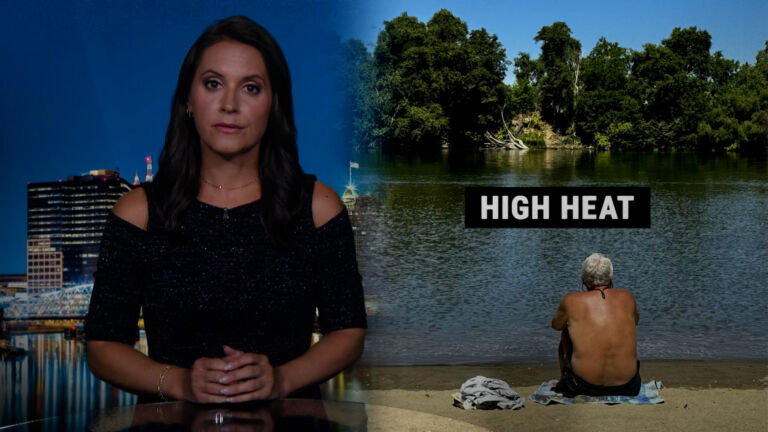
Bob Bertollo, an EMS worker for St. Joseph’s Health System in Paterson, has been out delivering cold water to people in need around the city. He’s goal is to specifically target the most vulnerable, like seniors, the homeless and day workers who don’t have shelter from this week’s scorching sun. And there is no shortage in demand.
In fact, in just the last two weeks, Bertollo has handed out 4,000 bottles of water through Operation Ice Water, a program started last year with the goal of preventing a hospital visit — or worse.
“Hospitals and 9-1-1 services become the catch-all for everything,” he said. “So if these folks become dehydrated, they pass out, they have medical problems. Somebody finds them laying on the sidewalk or they call 9-1-1, and they end up in the emergency room.”
That puts a strain on the city’s already stretched emergency response system. Any time a call comes in about an unconscious person, it’s elevated to a critical care dispatch, according to Bertollo. That brings police, fire and EMS, along with an advanced life support unit.
The residents of Paterson and other cities around New Jersey are actually dealing with higher temperatures than the rest of the state, due to a heating effect called an urban heat zone.
“Urban areas with less vegetation and more human-built structures absorb more solar radiation on sunny days,” said David Robinson, New Jersey State Climatologist. “The rooftops, the sides of buildings, the asphalt parking lots and roads. So with that you create a local environment with excessive heat levels.”