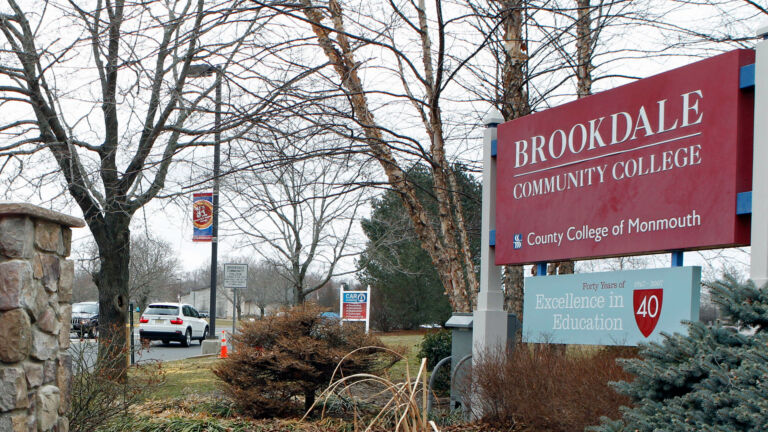
Community colleges across New Jersey are getting some financial relief heading into the next school year, thanks to lawmakers who restored some of the planned funding cut in the $59 billion state budget. However, not all funding was spared. Financial aid programs — including the Community College Opportunity Grant — were reduced. So, what does this all mean for students in New Jersey?
The following is a Q&A on the issues with Hannah Gross, NJ Spotlight News’ education and child welfare writer. It has been lightly edited.
Raven Santana, Correspondent: Hannah, let’s start off with the good news. So how much money are we talking about? And when we think about the restored funds, where is that all going?
Hannah Gross: So lawmakers restored $20 million in operating aid to the community colleges, which helps them pay for programs and services, helps them not increase tuition too greatly from year to year. And they also restored funding for summer tuition aid grants, which help students pay for their college over the summer to stay on track to graduation.
RS: And how does that help students when we think about that financial stability?
HG: It’s important, especially at the community colleges. If students stay engaged over the summer, they’re more likely to return for their second year. So having that funding over the summer is super important for kids who are maybe working and they’re part-time students.
RS: How many students are we talking about here in Jersey?
HG: So there’s about 240,000 students who attend the community colleges. It’s a huge chunk of the undergraduate population here.
RS: And we understand that this move was made with bipartisan support. Is that correct?
HG: During budget hearings, lawmakers on both sides of the aisle were outspoken about the need for increasing funding for community college. Governor Murphy has made funding for higher education a huge priority during his time in office, but tried to flat-fund or decrease funding for a lot of these higher education programs, causing lawmakers to step in and increase that funding.
RS: Not all the funding made it through. What cuts were made and who was that affecting?
HG: There were some cuts to the Community College Opportunity grant, which is basically part of the state’s promise for free community college. In the past it helped students with family incomes up to $100,000. If your family was making under $65,000, you could go to community college for free. Between 65k and 100k. that was reduced tuition going forward for students who are newly eligible for the program. You’ll only be able to take part if your family is making under $65,000.
RS: How are students, through your reporting, pivoting?
HG: I mean, they’re trying to stay on track to their degree as best as possible. These summer tuition grants are still in place for this summer. So they’re trying to take summer courses this summer to stay on track. And then next summer there is some money available. It’s not going to be the full cost as estimated by the Higher Education Student Assistance Authority. So they’re hoping they can get some more money there or just pile up on the credits and keep making progress toward graduation.
RS: When we think about community colleges, bigger picture here, how important is that to Jersey’s economy?
HG: It’s huge for the economy. Community colleges are helping fill some of the big shortages we’re seeing right now, whether it’s in nursing or teaching and other programs across the state. Students are also very likely to stay in New Jersey, whether they’re going on to a four-year college or university, or they’re joining the workforce often in their communities. So the money that goes to community colleges generates more dollars for the state economy.
RS: You have been in conversations with community college presidents. What is their reaction to this?
HG: I mean, they’re pleased they’re getting more money than was initially proposed in the governor’s budget. They told me that something is better than nothing. But at the same time, they already had to plan their tuition for next year before the governor’s budget was struck. So there are some tuition increases, but this means services and programs will be able to remain at many of the state’s community colleges.
RS: And clearly we know that you don’t have a crystal ball … but what do you now foresee happening?
HG: I mean, it depends who the next governor is and who is in the Legislature next year and how important funding for community colleges and higher ed will be. These colleges are also under a lot of pressure at the federal level with threats to take away their funding based on their use of diversity, equity and inclusion programs and some other cuts across the board. So they’re in a bit of a sticky situation right now.