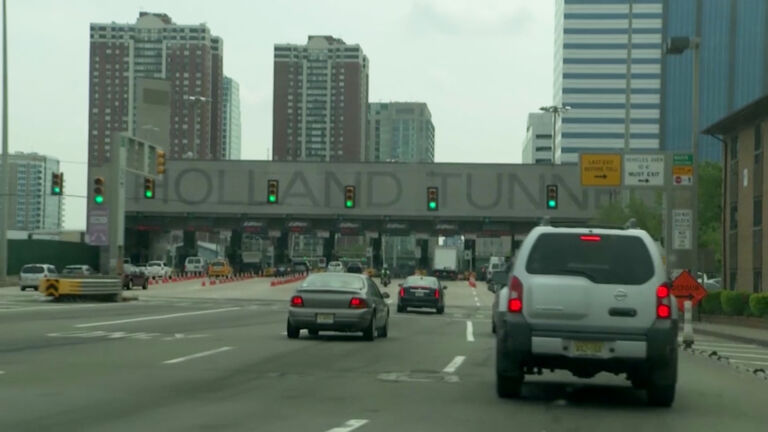
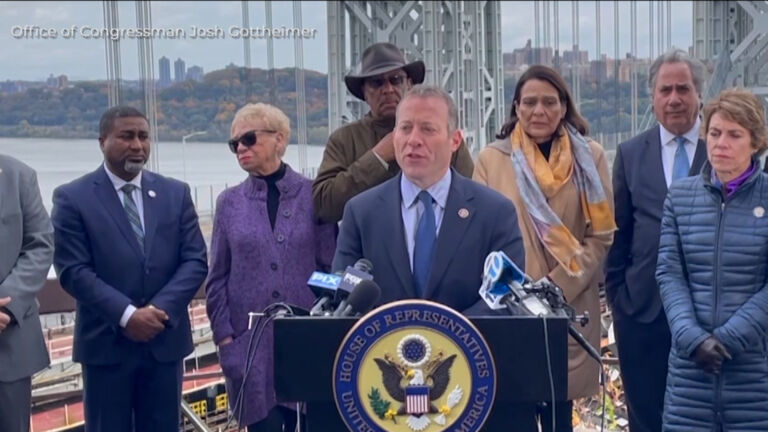
The MTA board voted overwhelmingly to move forward with plans for congestion pricing in New York City’s central business district, ultimately adding $15 on top of regular daytime tolls for most cars headed into the city and up to $36 for big trucks. If confirmed after public comment over the next two months, the new toll below 60th Street could start as early as this spring.
“This is a great piece of public policy,” said John Banks, a member of the Traffic Mobility Review Board that helped design the new toll surcharge. “It will benefit New Yorkers for decades to come,”
But is it good for New Jersey? Depends on whom you ask. Some on this side of the Hudson have slammed the higher tolls, calling them unaffordable for many, even with a $5 commuter rebate at the tunnels. MTA board member John Samuelsen, a transport workers union leader, resigned from the committee that recommended congestion pricing tolls.
“So what do they expect a nurse to do who lives in New Jersey, who has to be at work at 5 am and there’s no public transit option?” he asked. “They have to drive. … They should not be penalized because New Jersey has a crappy public transit system. They should not be penalized.”
The MTA’s lone ‘no’ vote also cited pricing. But supporters argued the plan will cut traffic congestion and reduce pollution across the region, especially if it pushes more trucks to travel at night when the plan offers vehicles a 75% discount.
“We fully understand the regional benefits it can provide, which would be cleaner air for everyone, more consistent and dedicated funding for public transit … and definitely less congestion,” said Tiffany-Ann Taylor of Regional Plan Association, a non-profit planning group.
New Jersey officials who wanted much higher rebates and pollution mitigation have filed a federal lawsuit to block the MTA plan. The lawsuit has delayed the agency’s current capital projects that would be funded by the new tolls, including a signal improvement on a Brooklyn rail line.
“The lawsuit from New Jersey continues to put this funding at risk, despite the benefits to the vast majority of New Jersey commuters who use transit,” said Jamie Torres-Springer, MTA’s president of construction and development. “We are now at the point where some projects have to be delayed, because we can’t award contracts funded by congestion pricing until we know the funding is secure.”
MTA CEO Janno Lieber added, “We’re hoping New Jersey wants to resolve this and that we can start to work together.”
The public now gets an additional 60 days to comment on the proposed plan before the MTA takes a final vote. The agency envisions a live launch in late spring, New Jersey’s lawsuit notwithstanding.