Almost 50,000 New Jersey residents will get a total of $100 million in medical debts forgiven, under a new state partnership with a nonprofit called Undue Medical Debt, which will use federal funds to buy and then erase the burdensome bills they could never pay.
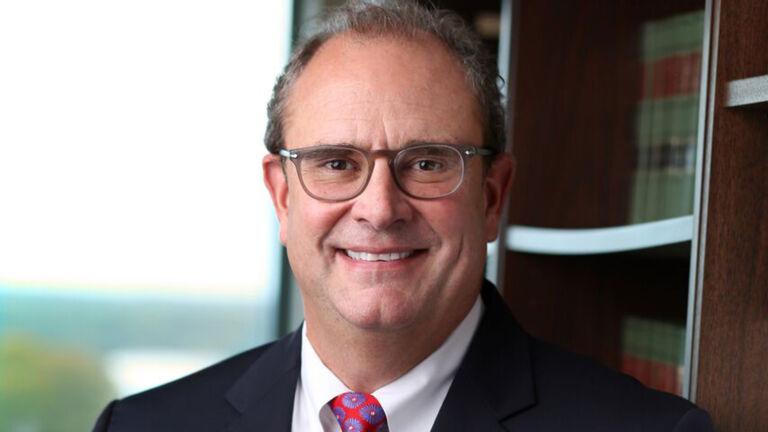
Allison Sesso, executive director of Undue Medical Debt, said it has signed a contract with New Jersey to eventually spend $10.5 million in federal pandemic aid to buy up unpaid medical debts at deep discounts.
“We go directly to those hospitals and buy their bad debts for pennies on the dollar,” Sesso explained. “So as an example, $1,000 debt could be bought for $10 or less.”
“So once we get our hands on the debt, unlike a for-profit debt buyer, we erase it,” Sesso said. “We send letters to individuals and they take no action on their own. They get this sort of surprise letter in the mail that says we are this nonprofit organization, we’ve partnered with either X Y Z donor or X Y Z government entity and we have relieved your debt and you no longer owe it and there [are] no tax consequences to you either because we’re a disinterested third party.”
Undue has retired $13 billion of medical debt across 50 states, to date. To qualify, Undue requires participants to earn four times or below the federal poverty level, or owe 5% or more of their annual income.
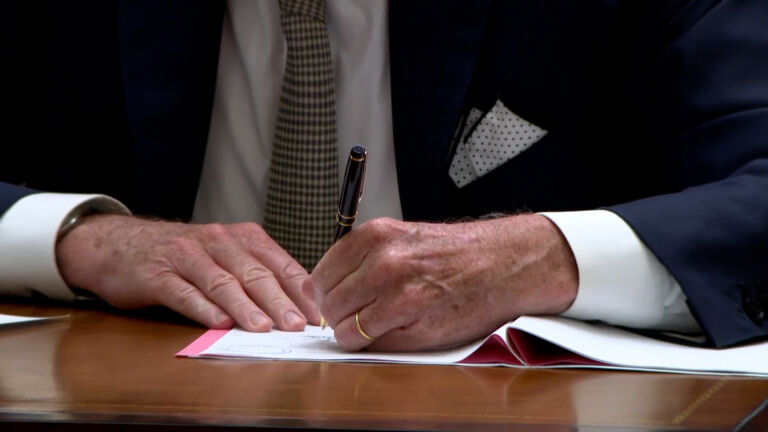
Gov. Phil Murphy last month signed a bill that immediately barred creditors from reporting most medical debts to credit-rating agencies. Come next July, interest on those debts will be capped at 3%, payment plans with grace periods will be required, and wage garnishment for eligible residents will be banned.
An estimated 1.5 million New Jersey residents struggle to pay medical bills.
Laura Waddell of New Jersey Citizen Action says some residents ration their health care. “They don’t want to add onto the debt. So they’re not going to the doctor, they’re not buying the prescriptions that they may need.”