
A federal judge in Pennsylvania is planning to rule as early as Wednesday whether acting U.S. Attorney for New Jersey Alina Habba has the right to stay on in her role, after a pair of defendants challenged Habba’s legitimacy, arguing the Trump administration unlawfully maneuvered to keep Habba in the role after her temporary term expired.
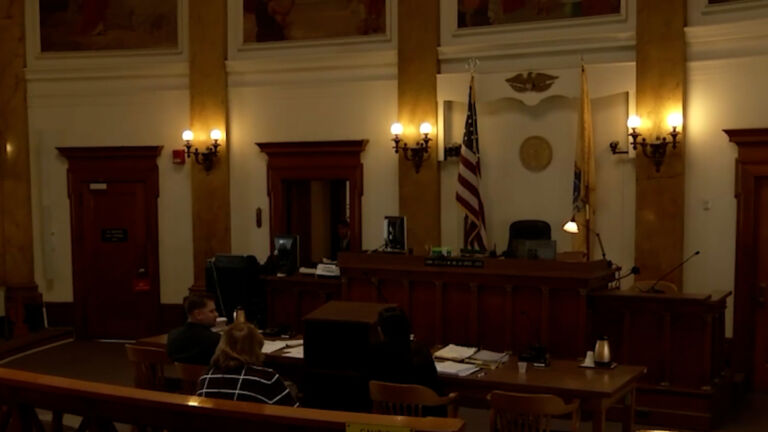
The legal fight has thrown some of New Jersey’s federal cases into chaos with judges delaying trials and defense attorneys asking for dismissals. Politico New Jersey reporter Matt Friedman was in the courtroom on Aug. 15 for what turned into hours of arguments. Trump administration officials accused New Jersey federal judges of causing a constitutional crisis by rejecting Habba, President Donald Trump’s pick, and ordering her top deputy to assume the post.
This interview has been excerpted and lightly edited.
Briana Vannozzi, anchor: Matt, it’s good to see you. You’ve been following this case closely. Can you walk us through how Alina Habba, who’s best known as President Trump’s former personal attorney, landed in this role and how this case wound up before a Pennsylvania federal judge.
Matt Friedman: It really was kind of a shock when the president announced that Alina Habba would become the interim attorney for New Jersey effective immediately. Those two words, “effective immediately,” have a sort of relevance in this case, because there’s a bit of a dispute over exactly what day she became interim U.S. attorney. But she was his personal attorney — actually, by most accounts, had not done a very good job.
She had been sanctioned by judges. She had lost some cases with them. … And in New Jersey, she was really known for a controversy involving an employee at Bedminster who was suing for sexual harassment and alleged Alina Habba befriended her and convinced her to sign an illegal nondisclosure agreement and accept a sum of, like, $15,000 in order not to sue.
She later settled that lawsuit. So it was kind of a shock. Doug Steinhardt had initially been the choice. A state senator had initially been the choice for U.S. attorney in New Jersey, and he dropped out with uncertainty over whether he could be confirmed to the role. It’s clear that Alina Habba has almost no chance of confirmation. But what the Trump administration is currently doing are legal maneuvers to try to keep her in the role basically indefinitely without confirmation from the Senate.
BV: What was your sense sitting in that courtroom about any skepticism this judge, Judge Brann, might have had about these legal maneuvers that you’re referencing?
MF: It could be hard at times whether [to know] he’s asking the question as devil’s advocate or expressing his own opinion as to the merits of an argument. So with that caveat in there, it was very hard to read how he felt about designating Habba as acting U.S. attorney after her role as interim U.S. attorney expired. They did that through a maneuver by firing the first assistant U.S. attorney, a widely respected person who Habba had actually appointed to that role, and placing Habba in there.
So she would automatically assume the acting U.S. attorney position. That acting U.S. attorney position has a further time limit on it of 210 days. Now, I had a hard time reading where the judge came down on that maneuver, but where he seemed by his questioning and also a previous opinion he had written a couple weeks ago, he seemed especially skeptical of another argument from the Trump administration, which is that Alina Habba has been appointed special attorney.
BV: Why does that distinction matter?
MF: Because … there’s no time limit on a special attorney. So they’re basically saying she can be in charge of the office even if her title isn’t technically acting U.S. attorney once that time expires for a limited amount of time. And this is what the judge really seemed skeptical of, based on his line of questioning.
He was basically saying if that’s the case and you can have someone in there effectively permanently without Senate confirmation, then what’s the point of the law that even limits them? Or what’s the point of even appointing one for confirmation? And I think what really speaks to that is there was a law passed in 2006 — it was an update to the Patriot Act — that did make interim U.S. attorneys permanent.
…If you’re old like me, you might remember the scandal in 2006 where there was a lot of questions about politicization of U.S. attorneys. Congress actually went back and reinstated a 120-day limit on interim U.S. attorney appointments. And so there’s a very clear argument, and one that I think the judge also took seriously, that, like clearly congressional intent is that these people have limits on their tenure.
The judge, however, said he’s a textualist. And so even if he agrees that the congressional intent is in there, he’s reading the law for what it is. And so this is where it gets very complicated.
BV: I found that quote striking as well. Where does it go from here? I know Judge Brann said he might issue a ruling as early as Wednesday, but also he seemed to indicate that the government will appeal right away. So is this the end?
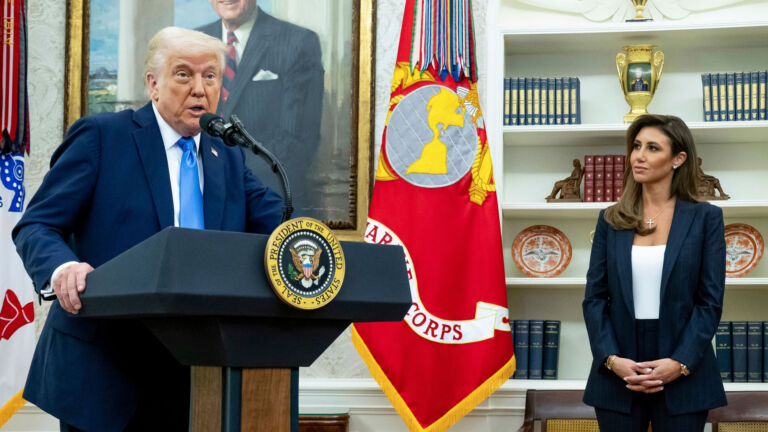
MF: Whoever loses this will appeal. And after it goes through the appellate court, most lawyers I’ve talked to think this winds up at the Supreme Court because it really is [in] a lot of ways an unprecedented situation. And I think it’s worth noting that, you know, what really struck me about this hearing was the Trump administration claiming it was the judges who had created a constitutional crisis, because, as I said, 120 days runs up.
The law says that the judges can decide who the interim U.S. attorney will be until someone is confirmed by the role. That is what the law very clearly says, no dispute about that. The Trump administration is arguing that by exercising their power under that law to appoint Desiree Grace — again, very respected veteran of that office to the interim position — and … instead of Habba that they’ve created a constitutional crisis. The law literally says they can do it; what’s not clearly in the law and we’ll see if it’s legal or not, is the maneuvering the Trump administration is doing.
BV: Yes. And we should note that’s why the case was not heard in New Jersey and was in Pennsylvania. Matt Friedman, thanks so much for your great reporting. Thanks for coming on the show to share it with us. We appreciate it.
MF: Thank you, Briana.
