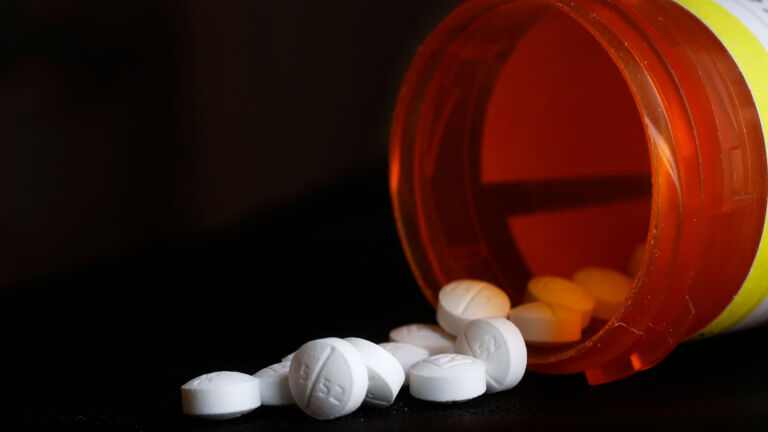
New Jersey is gearing up to receive $125 million as part of an opioid settlement agreement reached this week with Purdue Pharma and its owners, the Sackler family, for their role in deceptive marketing of the highly addictive painkiller OxyContin.
Fifty-five attorneys general including New Jersey’s Matt Platkin agreed to sign the $7.4 billion settlement, which also ends the Sackler’s ownership of Purdue and bars them from making, selling or marketing opioids in the U.S.
So far New Jersey has been awarded $1.3 billion from settlements, including this one. A panel of experts who are part of New Jersey’s Opioid Recovery and Remediation Advisory Council recently released a plan on how to spend that money.
The following is a Q&A on the issues with NJ Spotlight News health care writer, Lilo H. Stainton. It has been excerpted and lightly edited.
Briana Vannozzi, Anchor: Lilo, obviously coming off of another settlement agreement, this time with Purdue, the state’s pot of money is growing. What are experts recommending for how the state use this money?
Lilo Stainton: Experts are largely on the same page, whether you’re talking to people, advocating for how the local money is spent or the state money. And a lot of that is primarily about housing. It’s expanding access to harm reduction strategies, which are distributing Narcan, clean needles, things like that, which bring down deaths. And getting … treatment providers trained in best practices.
There are lots of new great program ways and methods out there, but they don’t always filter down to the people doing the work. And so this would expedite that and then supporting these wraparound services so that people who need basic things like food or transportation could also get help with those things. So a lot of it is about meeting core needs, but it’s also really about doing what the clinical best practice is for treating these diseases.
And that includes outpatient use of buprenorphine and other medications that have methadone that have had really high success rates.
BV: So how is this money being distributed? We’re talking about $1.3 billion over 15 years. That’s including this latest amount just announced… Is it going to nonprofits? Is it going at the local level, the state level? How does that work?
LS: There are two pots of money. The state oversees half and the other half is being distributed by the 21 county governments and about 250 local municipalities or towns that opted into the settlement. And they were given access to the settlement either because of their size or their location or because they wanted in. And they’re essentially communities that have been particularly hard hit by the epidemic.
So the hope is among advocates who are involved in this, is that the money will go as directly as possible to the people who are doing the work on the front lines. And it’s interesting, in the advocacy community, there’s a lot of talk about making sure that their colleagues get access to this information and know this money is out there and know that it is for them.
There are grants going out all the time through the state. So this money is going out the door already. But as we know, it’s a huge pot and there’s many years to come still.
BV: When you look at it as a whole, but when you think about the number of deaths, if it’s not getting into the right hands, you have to wonder if justice is served at all, no matter how much money there is. Is there a way, very quickly, that this can be tracked to make sure that the money is getting to those who’ve been harmed?
LS: That’s a great question. The state did not opt to give it directly to people who lost loved ones. However, oversight of the programs that they are funding is somewhat limited. Shout out to the state comptroller, though, who is looking into some of at least one community that has risen to their attention: Irvington, but that’s caught up in court. So there’s limited oversight.
But advocates are really hoping that that they can sort of keep their eyes out and just encourage people to do the right thing and invest in the practices that they know will make a difference and save lives.