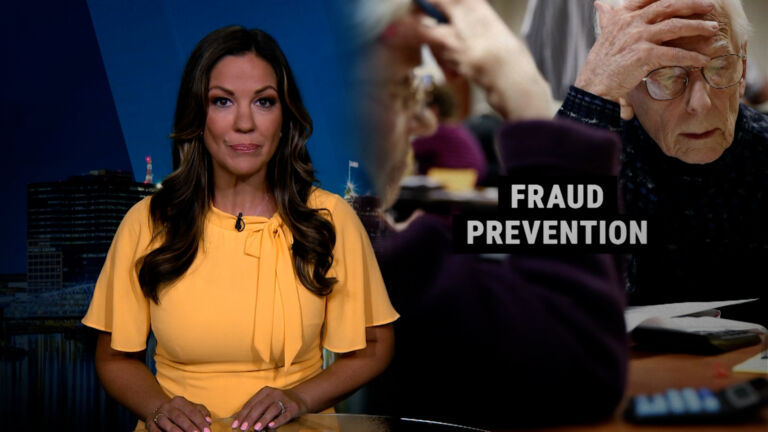
There’s a misconception that older people are the most vulnerable to theft via fraudulent phone calls, texts and even friend requests, according to Kathy Stokes, director of fraud prevention programs with AARP.
Stokes was among the speakers at a fraud prevention summit hosted by AARP in Edison last week. More than 250 people attended.
“Everybody is susceptible to fraud. The technology, the ability of these transnational criminal enterprises to target us specifically is unlike any other time in our society. And if you look at data from the Federal Trade Commission, they will tell you that younger adults report fraud losses more often than older adults,” Stokes said. “But here’s the big vulnerability — as an older adult you have wealth. Even if you don’t think you have wealth, even if you don’t think you have wealth you have a monthly Social Security check, maybe a pension, maybe life insurance proceeds, heck 401(k) and housing wealth and criminals know that, and they are making lists based on age because they know that’s where the money is at.”
The free event provided a variety of panels where experts shared tips, tools and their own experiences of dealing with fraud.
New Jersey Attorney General Matt Platkin, the keynote speaker, highlighted the four top ways to know that something’s a scam, “The first is that scammers pretend to be from an organization that you know or utilize. Next, they create a sense that there’s a problem or price to be had. Then they pressure you to act quickly, then finally pressure you to pay in a very specific way.”