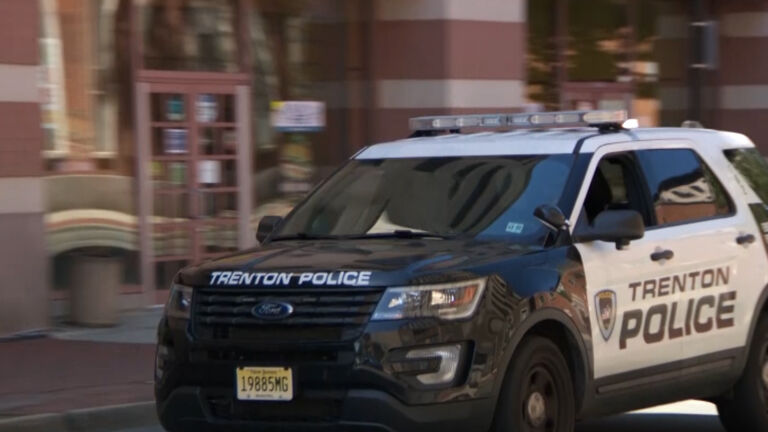
The U.S. Department of Justice this week said it found police officers in Trenton use excessive force and unlawfully stop, search and arrest people, but social justice advocates are skeptical that much will change.
In the wake of the federal department’s release of its critical report, several advocates said the DOJ’s proposed reforms don’t push hard enough, and they feared the monitoring will ultimately lose strength in the next Trump administration as well.
“Just the same old routine script is not going to work for us at the NAACP,” said Trenton NAACP’s Austin Edwards. “What we want to see is a lot more changes.”
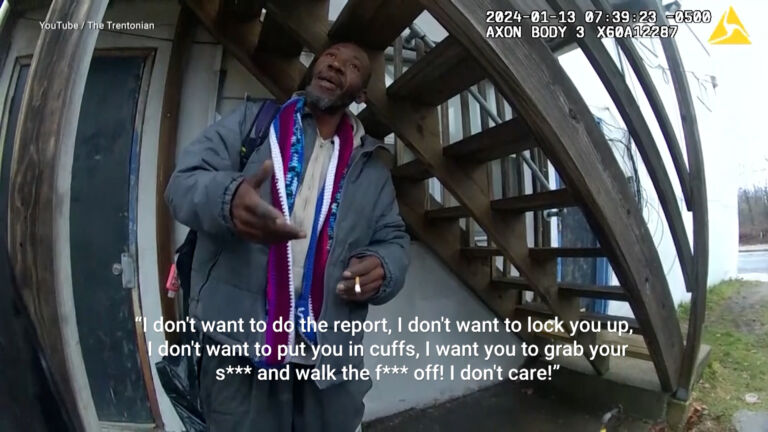
The federal investigation referenced multiple cases, including a 16-year-old seized by the throat and jammed against a car hood and an elderly man police cuffed and pepper-sprayed — and later died of respiratory failure.
“This conduct is egregious, unacceptable and unlawful,” said Assistant Attorney General Kristen Clarke, who described a pattern of brutal conduct and brazen culture in the department.
Clarke blamed it on poor training, for one: “Trenton’s police officers do not receive the training they need, including in crucial areas like use of force, and the legal rules for stops and searches.”
The report includes a list of recommended improvements: department-wide training in the use of force and stops and searches; enhanced processes to identify violations; better data collection to document police actions; and instruction on de-escalation techniques.
“They have pledged to work with us on the reforms necessary to address these issues, and so today marks a new chapter,” Clarke said.
But advocates said much more needs to be done. Edwards of the NAACP said the DOJ signed no formal consent decree compelling Trenton to meet specific metrics, and the same police command structure remains in place.
“I would like realistically an apology right from the mayor, from the police director,” Edwards said. “I’m glad that you all were cooperating with the Department of Justice, but the community needs healing and they need answers.”
“What we’re seeing is not just the actions of a few rogue beat cops,” added Racquel Romans-Henry, policy director at Salvation and Social Justice. “What we’re seeing is essentially an attitude that reflects leadership, right.
“All of this is about leadership,” she said. “And so we cannot have a conversation about the next steps unless there is a serious conversation about holding leadership accountable.”
But Trenton Mayor Reed Gusciora offered no apologies, and he said no staffing changes are currently under consideration, pending a meeting with DOJ officials. But he said steps would be taken to address the problems cited.
“The buck stops here, and what we do recognize is that our officers need training,” Gusciora said. “We need resources for that, and we need more supervision.
“We feel that we are accountable and look to working with the Department of Justice,” he said. “We’re not going to hide anything or sweep anything under the rug, but where there’s action that needs to be taken, we’ll stand by that. We’re looking for specifics and specific officers who are involved. We can’t take any action until we actually see the incidents they’re talking about.”
Will the DOJ even be able to rigorously monitor reforms in Trenton, or in a dozen other cities where it’s probed allegations of police abuse? President-elect Trump’s opposition to these federal investigations of local policing worries the ACLU’s Jim Sullivan.
“There is a very good chance that — with the new administration coming in — that federal consent decrees don’t happen anymore, that they pull back in New Jersey, and don’t even complete this investigation,” Sullivan said.
Sullivan said state lawmakers need to provide greater tools such as subpoena powers to civilian complaint review boards, and also mandate more transparency for police misconduct records.