
Cuba, frozen in time, still vibrant after decades of US embargo
A photo essay of life on the streets in Havana
Editor’s note: Photojournalist Thomas E. Franklin shares his account of a trip to Cuba in January. All photographs are by Thomas E. Franklin.
Cuba lies just 90 miles south of Miami, yet it feels worlds apart. Despite its proximity to the United States and other economically stable Caribbean nations, life there is marked by stark contrasts with the economic, infrastructural and human conditions of its neighbors and the U.S.
Earlier this year, I had the opportunity to visit Cuba and produce a photo essay documenting the vibrancy of Cuban culture and the complexities arising from decades of economic restrictions. The exhibit will run at the Romano Gallery in Blairstown until Oct.29.
The trip resonated with me deeply, especially after hearing stories from my Cuban American friends and students at Montclair State University, where I am a professor in the School of Communication and Media. Many have a complex connection to their heritage, shaped by the trauma of families who fled during the 1959 revolution, losing homes and businesses.
New Jersey has the fourth-largest Cuban American population in the U.S., with a significant concentration in Hudson County. Union City, along with neighboring towns like West New York and North Bergen — often called “Little Havana” — became a hub for Cuban immigrants starting in the 1960s, with more waves following during periods of political and economic crisis. While other Latino groups have since settled in the area, it remains a vibrant center of Cuban American culture, where language, traditions and community thrive.
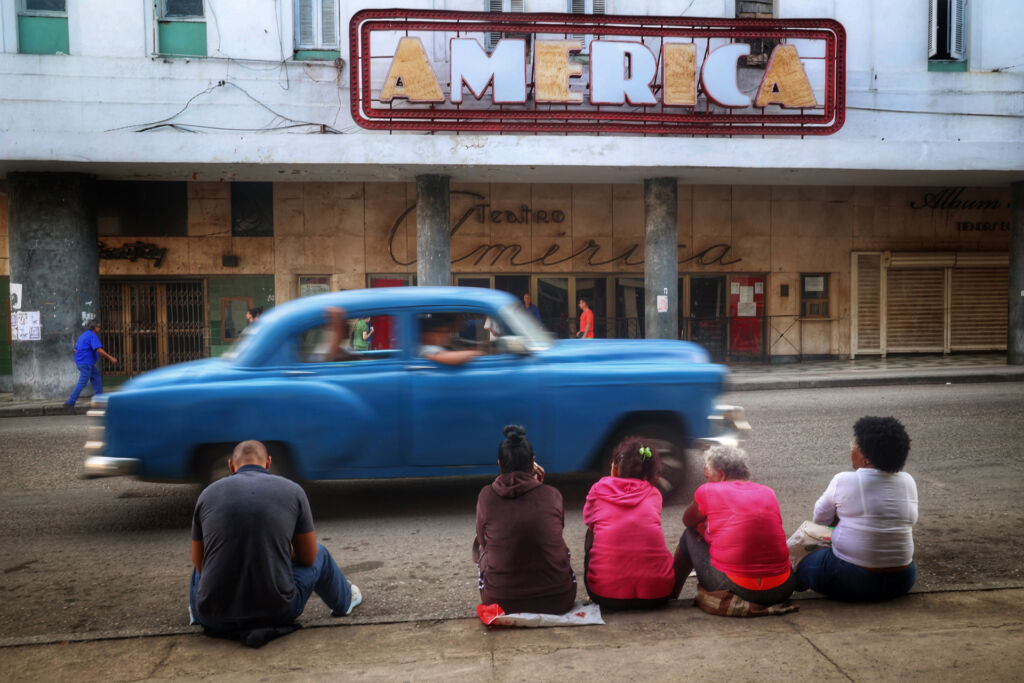
Today, Cuba seems frozen in time, stuck in 1959. Classic American cars from the 1950s fill the streets, and many buildings remain in their original state, but now crumbling.
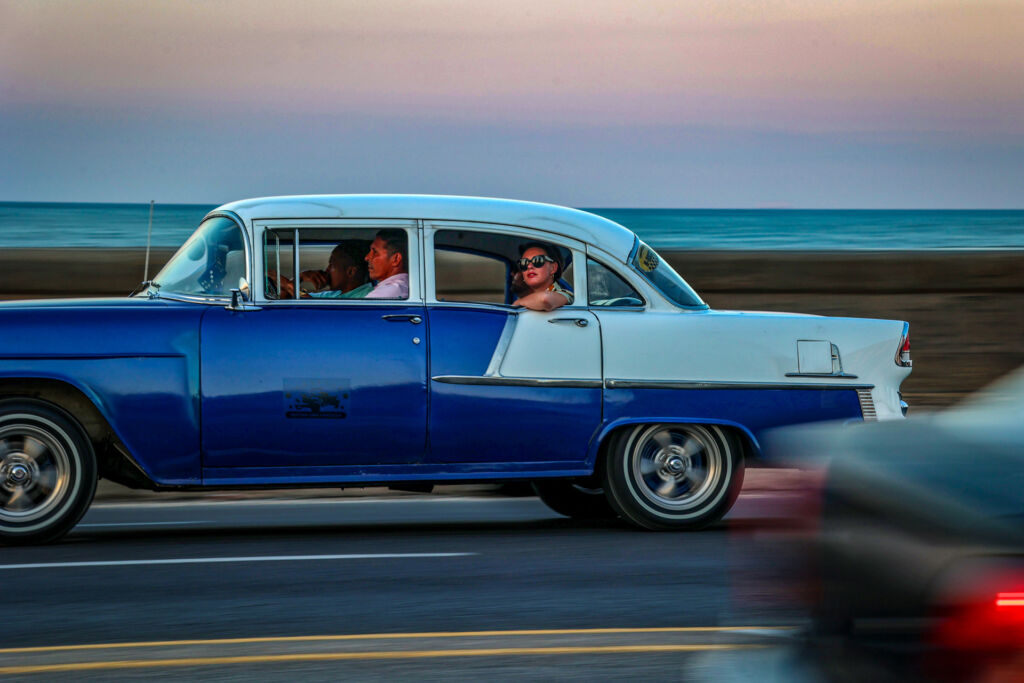
Despite the hardships, the Cuban spirit remains vibrant. The people I met were friendly, curious and welcoming. I didn’t sense much anti-American sentiment, and I felt safe even while wandering through some of Havana’s poorest areas with a camera, or walking late at night along the Malecón, the city’s famous coastal esplanade. For a photographer, Cuba is a wonderland.
The U.S. embargo looms over Cuba like a black cloud. The trade ban began in 1960 when the Eisenhower administration imposed restrictions on American exports to Cuba after Fidel Castro and his revolutionary forces came to power. Sixty-four years later, this policy continues to hinder the country’s ability to engage in global trade and has worsened conditions for the Cuban people.
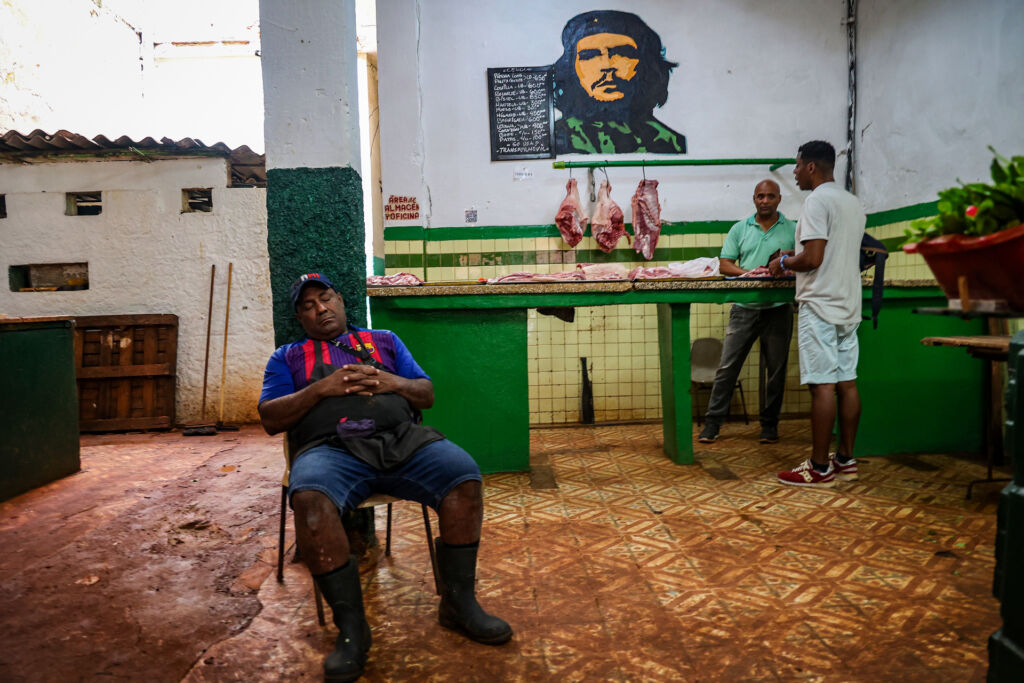
Cuba’s state-controlled economy suffers from low productivity and a lack of incentive and diversification. Even iconic industries like rum and cigars are state-controlled, with little money trickling down to workers. An estimated 60-70% of the workforce have government jobs, resulting in inefficiencies and low wages. Guillermo, a tour guide I met in Viñales, an agricultural region three hours west of Havana, was once an ophthalmologist employed by the government but left due to poor working conditions. He says he earns more as a tour guide and enjoys meeting people from around the world.
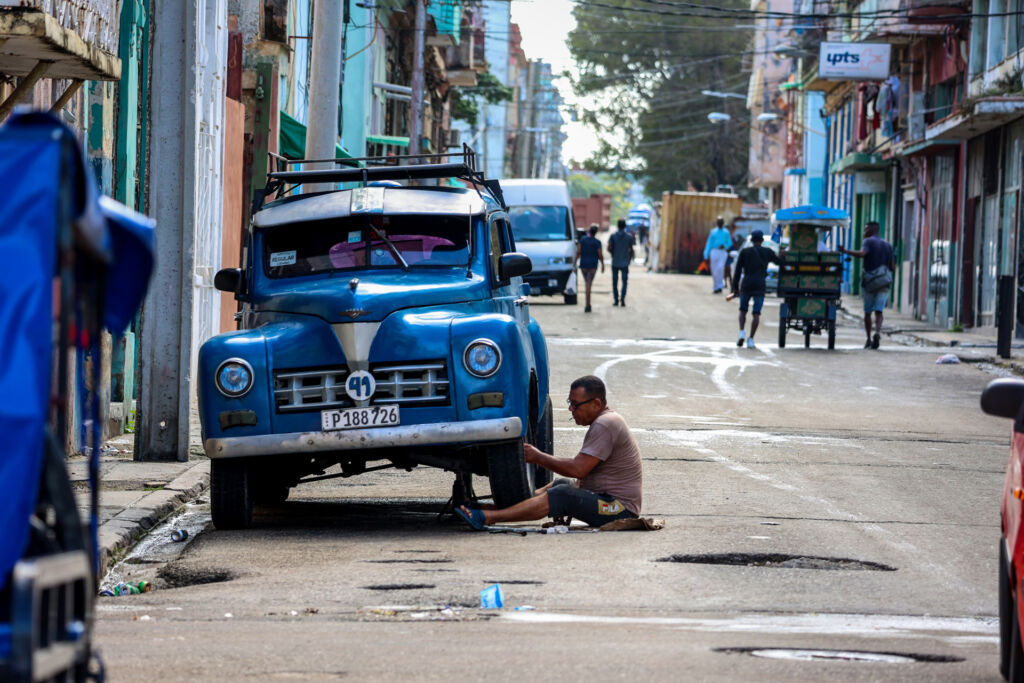
The Cuban transportation system is another major deficiency, with fewer than 10% of the population owning cars. The vehicles on the road are old, unreliable and expensive to maintain. And while these vintage cars are beautiful to look at, they are gas guzzlers that contribute to poor air quality.
Cuba’s economic reliance on the Soviet Union ended with the latter’s collapse in 1991, leading to severe hardship in Cuba. While tourism became a crucial lifeline, the COVID-19 pandemic dealt another devastating blow. Cuba was cautious and kept its borders largely closed until mid-November 2021, and tourism has not fully recovered. According to Reuters, Cuba’s tourism declined 75% in 2022. Despite these challenges, Cuba developed its own COVID-19 vaccines, which were shared internationally — an impressive achievement given the country’s limited resources.

Under President Barack Obama, efforts to normalize relations between the U.S. and Cuba brought optimism. His historic 2016 visit to Cuba sparked hope among many Cubans, and the former president is revered there. However, these gains were reversed under the Trump administration, which tightened sanctions and targeted tourism. The Biden administration sought to ease some restrictions, particularly for entrepreneurs and businesses, while avoiding direct support for the Cuban government.
Several Cubans told me conditions are worse than ever. Some, so desperate to leave, escape on makeshift rafts. This past summer during the Little League World Series in Pennsylvania, one of the Cuban coaches “disappeared,” with news reports suggesting he had defected.

Current U.S. regulations prohibit general tourism to Cuba, requiring specific travel categories. I visited under the “Support for the Cuban People” category, bringing medications, school supplies and even my son’s old baseball glove. I hired a tour guide, Luis, whom I met through a photographer friend, and asked him to show me the real Cuba — the behind-the-scenes world tourists don’t typically see. Most tourists to Cuba are from Canada and western Europe.
We explored his old neighborhood on the outskirts of Havana, where the street life looked like what I imagined an American city in the 1950s. People sat outdoors, holding conversations; kids ran around or played soccer or baseball, friends waved from open windows, and we were invited into someone’s home for afternoon drinks and music.
Another friend cooked us a simple dinner of pork, fried plantains, rice and beans. It was simple, but a bountiful meal by their standards. I made sure to pay for the food. Luis seemed to know everyone, giving me unfettered access as well as a wealth of local knowledge and history. We have become pen pals.
At twilight in Habana Vieja, the old city, I watched a young man selling freshly baked bread from a pushcart. At night, I strolled along the Malecón, passing the monument to the USS Maine, the battleship that exploded in Havana harbor in 1898, precipitating the Spanish-American War.
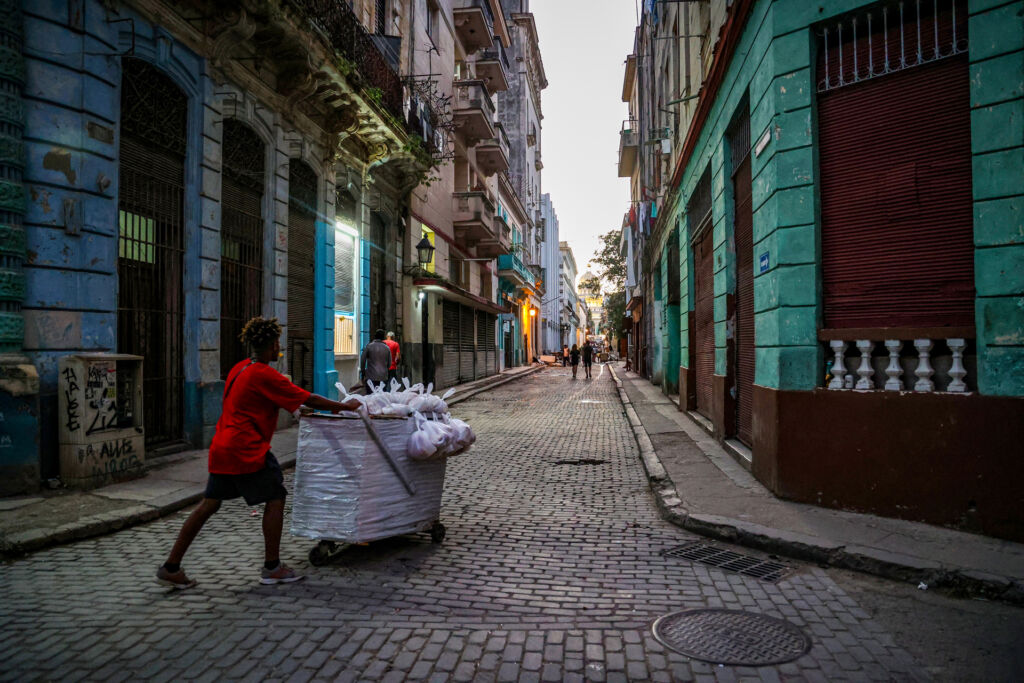
I wandered the streets, seeing clusters of people outside bodegas and kids playing baseball. Everyday street scenes like these remain my favorite photographs to capture.
Guides like Luis, who interact with foreign visitors every day, are acutely aware of how far behind Cuba is. Their sense of longing is palpable. Luis told me he needed medical treatment for an injured neck but had little faith in the Cuban health care system. He already survived one botched procedure. The lack of pain medication and modern treatment options left him resigned to living in constant pain, something that could easily be addressed in the U.S.
Witnessing these tough conditions left me disheartened and questioning why the U.S. embargo remains, as Cuba poses little threat to U.S. interests today. This experience has motivated me to act, and I hope my photographs inspire others to help.
All the proceeds from this exhibit at the Romano Gallery in Blairstown and my online store will go directly to support the Cuban people.
Cover photo: A barber trims a customer’s hair in a streetside shop in Habana Vieja. See additional photos here.