NJ Elections Voters Guide: 25th Legislative District

New Jersey’s 25th Legislative District changed considerably after last year’s reapportionment. It now covers 18 municipalities in Morris County (Boonton Twp., Butler, Dover, Harding, Jefferson, Kinnelon, Madison, Mendham Borough and Township, Mine Hill, Morristown, Morris Twp., Mount Arlington, Randolph, Rockaway Borough and Township, Victory Gardens and Wharton) and West Milford in Passaic County.
Republicans have long held the district’s seats, but they hold only a slim voter registration edge, with 33% of registrants Republican, 32% Democrats and nearly all the rest unaffiliated. Historically, the unaffiliated have leaned Republican in state elections.
The district is represented by Sen. Anthony Bucco, a Republican who formerly served in the Assembly before moving up to the Senate in 2019 following the death of his father, who had held the seat. Bucco faces Democratic candidate Christine Clarke, the municipal chair of the Jefferson Township Democratic Committee and an environmental advocate. This is her second time running.
The current Assembly members, both Republicans, are Brian Bergen and Aura Dunn, the assistant Republican whip who before assuming office had a longtime career in government and public affairs. Dunn is running for reelection with Assemblyman Christian Barranco, who currently represents the neighboring 26th District, but whose hometown of West Milford was moved into 25th. Bergen’s hometown was moved into the 26th and he is running there. They face Democrats Diane Salvatore, founder of a communications and content development firm and a part-time college instructor from Madison, and Jonathan Torres, a physician from Randolph.
Editor’s note: All candidates for state legislative seats were contacted multiple times for the NJ Decides 2023 voting guide Q&As. Click on a candidate to see who responded and any answers provided. More information about the project, including the full text of the questions, is available.
The candidates
SENATE
The candidate did not respond to the questionnaire.
Age: 46 Hometown: Lake Hopatcong Occupation: Candidate for State Senate Personal background: I am an environmental advocate and mother of four living in Jefferson Township, where my husband and I have been since 2005. I graduated from Montclair State University. I worked in the corporate world for years, pursuing activist work on the side, until the birth of my daughter, at which point the cost of childcare for an infant and two young boys was so high it didn’t make sense to continue. I have been working full time as a candidate or campaign manager alternately for the last few years, and nearly full time on volunteer projects. I come from a long line of veterans and laborers, mostly Navy, some Army. They are where my work ethic comes from. My dad was in the Navy and fixed printers for a living; my grandfather was a wartime nurse who came home and joined the New Jersey Nurses Union. My grandmother was an X-ray technician for the Army and a beautician. Political background: Although I didn’t start out with a desire to run for office, I’ve been an advocate for political causes for years. Eventually, I couldn’t shake what I had seen and felt compelled to be more directly involved in efforts to combat polluters and build a clean energy economy. I’m a steering committee member of the Jersey Renews coalition, and have been a member of the New Jersey NAACP Environment and Climate Justice team for a couple of years. I am the organizer of Jefferson Township Pride, and have been doing that for four years. I was on the steering committees for the New Jersey March for Science and the New Jersey People’s Climate Movement in 2018. I am the former environmental director at Action Together New Jersey and was an early organizer with NJ 11th for Change. I am the former chair of the Jefferson Township Democratic Committee, having served as chair for five years before passing the baton to new leaders in June. Why are you running for office? I am an environmental advocate, a grassroots organizer and a mother of four running to build the clean energy economy, protect health care privacy, access and autonomy, fight for clean air and water, and lead with empathy and fiscal sense. In this time when 20 states have rescinded or banned reproductive health care, I will work to ensure our essential rights remain ours. I also want the job growth, new revenue and exponential economic gains of the booming renewable energy market to thrive here, provide fulfilling well-paying jobs for New Jersey residents, and benefit New Jersey both in terms of revenue and a cleaner environment. Key election issue: Although what compelled me to run for office in the first place was the urgency of climate action and a just transition to a clean energy economy, I have recently been redistricted into District 25 and am just as appalled by my new senator’s votes as I was by the former. Remarkably, not only do his votes come across as disrespectful toward women but even hateful. He voted No on S49 to codify reproductive health care rights into New Jersey law, but it didn’t stop there. He also signed onto bill S673, which would give fetal tissue full legal personhood, criminalize abortion and jail doctors who perform abortion services for 30 years, and impose mandatory reporting on their staff with jail or fines for noncompliance. He voted No on A3974 to protect women who come to New Jersey for reproductive health care from states where it’s now illegal from being extradited and prosecuted in those states. To want women prosecuted for their health care choices is horrifying to me. He is currently the Senate minority leader and has an outsized ability to impact legislation in New Jersey. Someone who not only opposes women’s rights but wants women prosecuted for exercising those rights has no place in our statehouse. I hope to replace him in the State Senate seat for District 25 and become the first woman elected to the seat. Although New Jersey has codified reproductive rights into law, we have seen with the overturn of Roe v. Wade that human rights require vigilant defense. Therefore, I would work to protect the gains we have made in New Jersey on reproductive freedom and health care privacy, while supporting expanded access to resources so that more communities can exercise those rights. The recent legislation requiring insurance companies to cover abortion procedures will help people for whom those procedures are unaffordable access them. We also need to revisit where health care facilities were closed during the Christie years, such as the former Planned Parenthood location in Dover, and see if we can restore private reproductive health care availability to those communities or expand availability. Example of a successful project: During my time with NJ 11th for Change and then with Action Together New Jersey, I wanted to create free public educational events that would help the general public understand the climate issues we are facing in years to come, and potential solutions for those issues. We have the technology to solve many of these problems; what’s missing sometimes is the political will. My teams and I set up free public forums, both in person and online via livestream, to help people hear from scientists, politicians, advocates and more on environmental issues ranging from clean water, to forestry, to fossil fuel subsidies, to wind energy proposals. I then took it further and set up events with members of Congress as live, livestreamed town halls, so that people could ask their questions directly and hear their questions answered. Example of a challenge faced: One of the hardest things about running for office is seeing firsthand the barriers that exist in the way of working-class representation. The political system isn’t designed for working-class candidates to break through and serve their districts. For example, candidates can donate to their own political campaigns. This is fantastic for those who can self-fund races with large donations or loans, but a barrier for the working class. From the start, we have to work so much harder just to achieve fundraising levels that are competitive. Similarly, it’s hard for mothers to run. Studies show that most politically inclined women wait until their children are grown to consider candidacy; however, mothers of children under age 18 are great on legislation affecting working families, including everything from childcare to school funding to tax fairness. We need more in office, not less. After Liuba Grechen Shirley won the Federal Election Commission decision to allow federal races to use campaign funds for childcare, I actively joined the fight for campaign funds for childcare in New Jersey, and wrote letters, made calls, organized support and testified in support of Sen. Ruiz’s bill S698 that allowed parents running for office to expense the cost of a babysitter to their political campaigns, paying with money they raise themselves. Bill S698 passed in August 2020. I will continue to support measures that help working class people run for office. On NJ’s gun laws: New Jersey residents deserve to be safe from gun violence – at minimum to the fullest extent practicable under federal and state laws. The gun lobby maintains such a stranglehold on federal representation that we can’t even get common-sense legislation through Congress like background checks for gun sales, which 97% of Americans support. Here in New Jersey, we have some of the safest gun laws in the country, including recent legislation creating a capacity to hold gun manufacturers and dealers accountable for misconduct in the sale and distribution of firearms. At the time of this response, there are no instances of the attorney general making use of the capacity to hold gun distributors accountable for selling highly lethal weapons to gun traffickers or straw purchasers. However, it’s important that layers of accountability are available for such conduct and I support the law being on the books. On the Murphy administration’s climate change proposals: I think science-advised policy remains imperative in any state government. Where the clean energy transition is concerned, it’s critical that we take measures to protect our citizenry from the worst projected climate impacts as outlined by worldwide scientists. Consequential decisions yet to come will require a sense of urgency and of shared purpose. The Murphy administration is working to make sure New Jersey is at the forefront of implementing clean energy systems. I do have some concerns, but on the whole, I support a robust clean energy economy and new jobs for our state. Nationally, the government is seeing approximately seven dollars of private investment to match every dollar of government investment in clean energy; poll after poll shows energy workers want to transition to green jobs, and private companies are greening up their energy sourcing as well. I support the financing, education, training, supply chain work, and manufacturing to enable them to do so. My opponent, on the other hand, votes against these initiatives, including RGGI, which brought $152.2 million into New Jersey last year alone for clean energy investments. He is trying to spin a narrative about clean energy being unaffordable, meanwhile he’s voting against the funding mechanisms, benchmarks and standards, and collaboration to get the work done. On housing affordability and property taxes: New Jersey residents and their representatives have to be able to have conversations about taxes. Taxes are how the government pays its bills. We have the best schools, best teachers, best first responders and more in this state, and it’s important that we work to pay our obligations to them, including but not limited to making full pension payments every year. We can’t afford representatives who lack the political courage to look at revenue streams and evaluate their effectiveness; which is to say, when employed New Jersey residents are relying on food pantries to get by, we have a serious affordability problem on our hands. The Child Tax Credit is one way we can put more money back in the hands of working families, and so are the ANCHOR tax rebates, but we also need to look at tax fairness. We shouldn’t make working families pay more than their fair share so that the wealthiest people among us can have tax breaks. We should make permanent the 2.5% tax on mega-corporations enacted during the pandemic rather than reversing it. We should re-evaluate some of the Christie-era tax cuts on high-end luxury items, and consider whether we can still afford to leave those in place. Where my concern in tax conversations is helping working families, my opponent is the opposite. He voted against ANCHOR rebates, against the millionaires’ tax and against corporate taxes. Final thoughts: District 25 has never elected a woman to the New Jersey State Senate. I am grateful to be a candidate in this district and to have the opportunity, should the voters choose me on November 7, to represent the people from among the people. It would also be wonderful to be the first woman to hold the seat!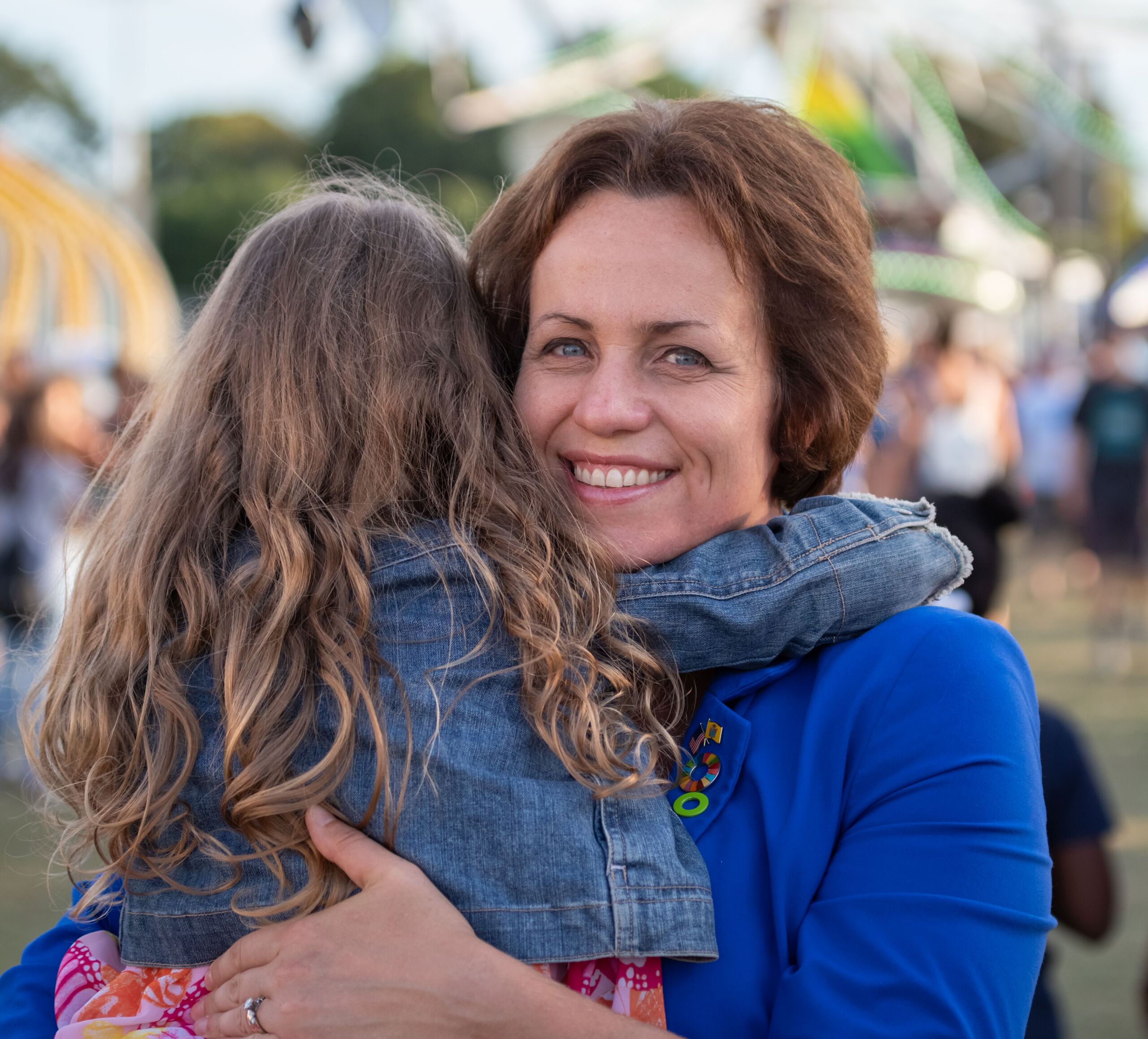
ASSEMBLY
The candidate did not respond to the questionnaire.
Age: 62 Hometown: Madison Occupation: Adjunct university professor and editorial consultant Personal background: I am a magazine and digital journalism professional, and a four-time editor in chief, including for Consumer Reports, Prevention and Ladies’ Home Journal. Before that, I held senior editorial roles at Good Housekeeping and Glamour. I have also recently become an adjunct university professor. Over my career in magazine journalism, I focused on creating high-quality, mission-based journalism aimed at improving people’s lives through community and policy change. I specialized in coverage of urgent social issues, including the prevention of gun violence, food and water safety, women’s health care, funding for hospital emergency rooms, sexism in judicial decisions, insurance bias among people of color, the lack of supplement regulation, teen suicide, drunken driving and more. I have interviewed three U.S. presidents and first ladies. My work was twice nominated for a prestigious American Society of Magazine Editors Award and has won multiple editorial awards, including a National Citizens’ Coalition Public Service Award and American College of Emergency Physicians Journalism of Excellence award. I was awarded the “W” award for innovation from YWCA and was named a Folio: 40 Industry Leaders with Impact, and was given the Athena Award from Columbia University for commitment to high-quality health journalism. I also led digital consumer product innovation at Lee Enterprises, the country’s third-largest chain of news sites. I have also been vice president and publisher of Broadway Books, a division of Crown/Random House, publishing titles in narrative non-fiction, current affairs, and memoir. I have a master’s degree from New York University and a bachelor’s degree from Penn State University. I grew up in Queens and moved to New Jersey 35 years ago. I have lived in Madison, New Jersey, for 27 years. My father was a New York City police officer and my mother was an office worker. I am the first person in my family who went to college. Political background: In my roles as editor in chief of Consumer Reports, Prevention and Ladies’ Home Journal, my advocacy coverage of social issues intersected with congressional policymaking and even political rallies. I also have personally interviewed three sitting U.S. presidents, first ladies, senators, congresspeople, ambassadors and mayors, giving me the opportunity to discuss the concerns of millions of readers – which is not unlike advocating on behalf of one’s constituency. As I engage in my first run for political office, I want to work to ensure that the concerns of citizens in LD25 are being heard – and acted on. I am a lifelong registered Democrat. Why are you running for office? As a nearly 30-year resident of New Jersey, a member of the LGBTQ community and a daughter helping to care for my elderly mom, I am concerned about and affected by many of the policy conversations happening in our statehouse around tax fairness, senior care and human rights. I am keenly interested in helping New Jersey build a green economy with strategic investments in solar and wind power, as well as innovations in alterna-plastics; protecting bodily autonomy rights and health care privacy between doctors and patients; protecting LGBTQ rights and safety; safeguarding the learning environment for all students; and protecting our communities from gun violence. I am at a point in my life where I feel moved to make a difference in my district and my state. I want to be part of a new group of elected officials committed to bringing integrity, honesty and transparency to public office. I want to deeply participate in the hard work of democracy. This is government by the people, and I now want to be not just an involved citizen, but an involved public official. Key election issue: I want to make New Jersey an excellent place for new retirees and seniors to thrive, by advocating for creative, thoughtful and affordable living and housing options that will ensure greater cross-generational benefits in our neighborhoods. We need to put our best minds together – businesses, health care professionals, nutritionists, gerontologists, land use experts – to innovate and build intergenerational co-housing options. As we think about future town planning, I would love to see more mentorship opportunities made easily available to our seniors as well, such that they can share their knowledge with students, be available as resources and friends, and experience the health benefits of having young people regularly present. I am also deeply concerned about the incumbents in our district. They stand against so many matters of decency and freedom. All you need to do is look at their voting records to be genuinely alarmed by their positions. I don’t believe they represent the majority of the voters of LD25, and therefore they should be replaced. On all fronts, I believe we must fight misinformation campaigns and outright lies that tragically mislead well-intentioned voters who only want to do the right thing for their families. As an elected official, I want to listen to constituents and our municipalities and deeply understand their perspective. I believe we must and can find common ground, prioritize the good we can accomplish together and recommit to political compromise, in an effort to end the corrosive political polarization that has forged hostility in communities, turning neighbor against neighbor. We must all confront the fact that the world is changing – in terms of climate, in terms of demographics, in terms of economic growth options – and instead of digging in our heels and waxing nostalgic about a world from decades ago, we must forge ahead and create the best possible solutions for the rest of our own lives and the lives of our children and grandchildren. New Jersey can and must be a leader in this. Example of a successful project: During my time as editor in chief of Consumer Reports, our organization reported extensively on – among many other issues – -PFAs (“forever chemicals”) in water, racial bias in auto insurance pricing, violations of consumer data privacy, distracted driving dangers and deaths of babies due to use of inclined baby sleepers, inadequate protection for back seat passengers in cars and test crash dummies that don’t reflect the realities of women’s bodies. In all cases, our sustained investigative reporting resulted in bans of unsafe products, improved water regulations, reform in auto insurance pricing, increased data privacy awareness and protection and innovations in car safety on many fronts. This was all possible due to the dissemination of accurate information to concerned citizens and public officials, and holding authorities accountable. I know I can accomplish the same in Trenton. Example of a challenge faced: Every senior citizen who enters the health care system needs an advocate. My 90-year-old mother has been in ERs, hospitals, acute care institutions and assisted living respite centers on and off for the last 10 years. These experiences are harrowing, confusing, emotionally and physically exhausting – and expensive. I was able to advocate well for my mother because of my health journalism background, which allowed me to speak fluently with doctors, nurses and social workers. It meant I had the skills to research the best facilities possible. It meant that I knew how to spot trouble brewing in mother’s care, and effectively insist on redress. I also enjoyed a flexible work schedule and a supportive brother and life partner. But I know that not every person has these advantages. We must make the health care industrial complex more navigable for the average senior, so that they are not terrorized and ill served in their moments of greatest need. Given that ten thousand people turn 65 each day, we urgently need sustained and thoughtful reform in this area. On NJ’s gun laws: We need to have sensible gun laws, meaning that there need to be gun-free public zones and rigorous vetting of who can buy and own guns. As the daughter of a New York City police officer, I feel that our police should not be outgunned by criminals carrying assault weapons. Responsible gun owners are in favor of sensible oversight, not unlike the oversight we have of people we entrust to drive cars. Additionally, we need to address gun trafficking. This is an issue I covered in my magazine life going back to the 1990s, when then-Mayor Bloomberg was an early and robust leader on this issue. The recent legislation passed in New Jersey to stop firearms trafficking by increasing penalties for trafficked guns used in crimes, and expressly allowing prosecutors to charge out-of-state gun traffickers, will help keep New Jerseyans safe. I would have voted Yes on this bipartisan legislation. On the Murphy administration’s climate change proposals: Yes, I do support the current Democratic initiatives to combat climate change. We need to: On housing affordability and property taxes: Over the decades, as tax structures created extreme wealth for some and extreme challenges for others, we have lost sight of the ideal that everyone should be able to work one honest job, come home to a safe living space and food to eat, and eventually retire from working with the ability to remain in their homes and communities. I would support tax fairness initiatives that would help the state meet its revenue needs without breaking the backs of working families, the poor, or our retirees. In particular, I’m interested in examining the series of tax cuts on luxury items for the super wealthy and on corporations. Communities are enriched together when all generations support one another, and we make that more possible by letting them keep more of their earnings. Final thoughts: Over my career, I have been inspired by the power of authentic collaboration between elected officials and motivated citizens, on issues ranging from food safety, hospital funding, women’s health care, prevention of gun violence, and more. I believe I have the skills, drive and commitment to make a difference.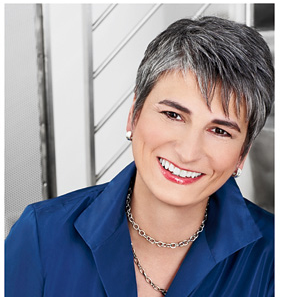
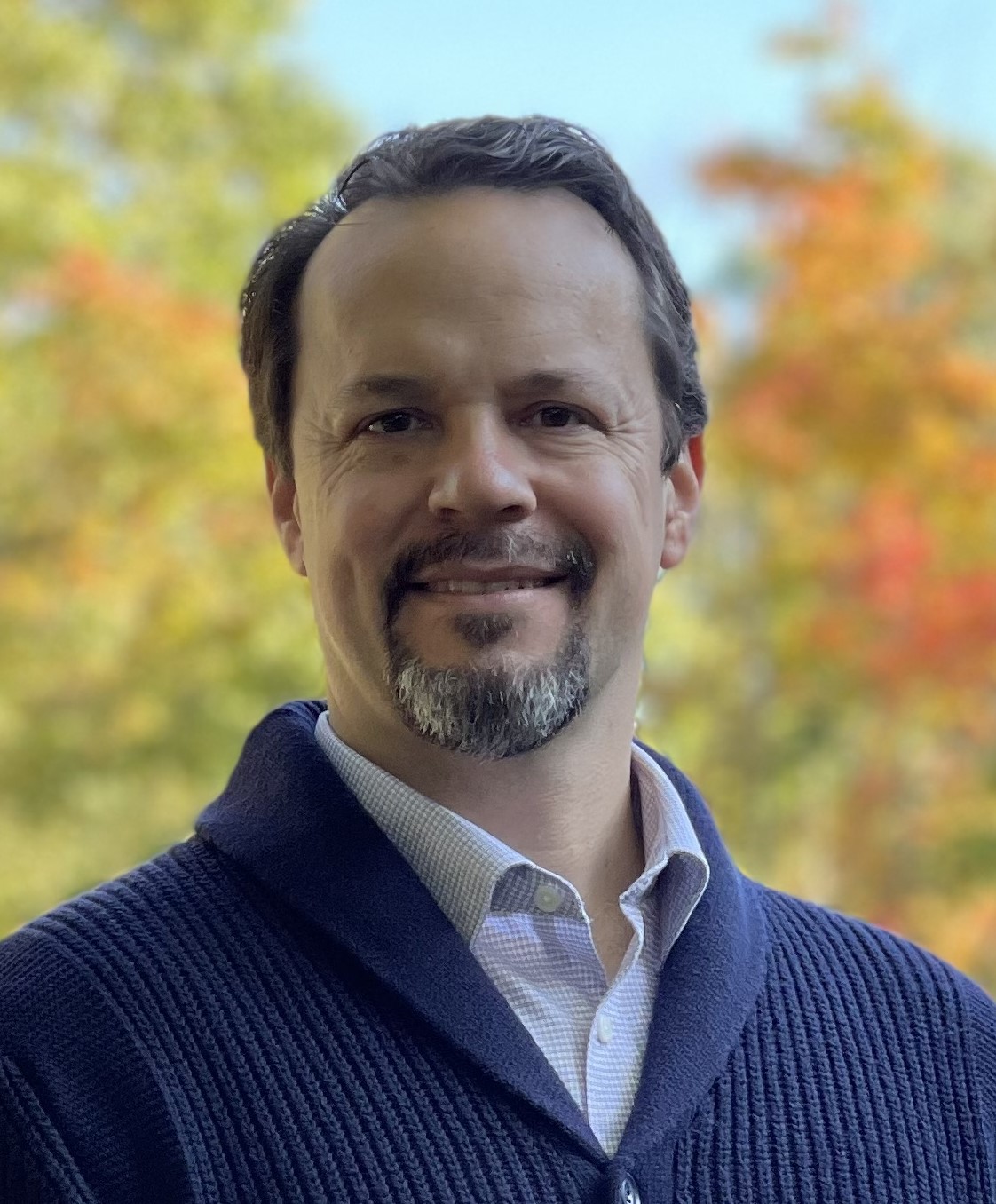
The candidate did not respond to the questionnaire.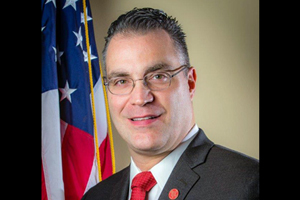
Age: 42 Hometown: Randolph Occupation: Family medicine physician Personal background: I am a family medicine physician, community volunteer and father of two living in Randolph Township, where my wife and I have been since 2013. I graduated from Harvard College with a degree in biology, followed by a doctor of osteopathic medicine degree from Rowan-Virtua School of Osteopathic Medicine, and then a master’s in public administration from Rutgers University. Professionally, I provide primary care and musculoskeletal specialty care in Morristown, New Jersey, where I have been working in resident education, teaching the next generation of family doctors since 2013. I also volunteer locally with the Boy Scouts of America organization as a cubmaster and assistant scoutmaster for the last seven years, as well as multiple national medical organizations where I chair several committees dedicated to education, research and professional achievement. Political background: While I never really had political ambitions, I found inspiration in caring for many of my patients, who had severe limitations in their ability to get the medications, tests and see the specialists they needed due to excessive prior authorizations and insurance plan limitations. Advocating one patient at a time didn’t make sense, and I considered how I could make a bigger impact for people across the state. I joined and now serve on the executive committee for the New Jersey Association of Osteopathic Physicians and Surgeons, where we aggressively advocate for patients and physicians in New Jersey, and while we made some progress, it didn’t give me the direct access to make change for the state. Why are you running for office? I am a primary care physician, medical educator and father who recognized that the chips are stacked against many people when it comes to accessing the health care they need. Even with insurance, red tape and excessive delays keep health out of reach for many. I am running to help reduce the red tape, empower patients and make sure that health care decisions stay where they belong, between a patient and their doctor. I am also running to ensure that New Jersey residents can afford to stay in the state, even after retiring, by working to streamline tax policy and improve efficiency of public services to reduce costs. I also believe that corporations should pay their fair share, rather than getting a free lunch at New Jersey residents’ expense. Key election issue: I am running to make sure that individual freedoms are maintained. For my patients, I fight to ensure that they are able to access necessary health care, including reproductive health care. I am running to ensure that every person continues to have self-determination and autonomy in this state, and keep the government out of peoples’ health care decisions. I am running to ensure that we maintain our First Amendment freedom of expression and identity. All of these different issues really stem from the issue of government overreach, efforts to insert government into our most personal decisions, violate our privacy and steal our autonomy. Issues pertaining to personal privacy in this reality include passing laws to guarantee what was taken for granted, that the government should not violate our personal rights, and working to enshrine those rights into law helps secure them for generations to come. In addressing health care access, legislation currently protects women in New Jersey who access reproductive health care, including abortion, even if traveling from other states. However, there are limited laws to address barriers to health care, such as long-acting reversible contraceptives (LARCs), such as IUDs and Nexplanon, which have 99.7% rates of contraception, affording women the security of having autonomy to plan their families. I propose efforts to ensure that LARCs are affordable and accessible for patients in New Jersey, along with the full range of contraceptive options. Another issue is ensuring that patients can access medications in a timely manner without excessive delays or barriers. I propose legislation to empower patients, improving cost transparency to patients, so they can immediately identify how much a medication may cost them out of pocket, and allow them to make better decisions with their doctors about which medications are most affordable and effective for them. A third issue is that when a person’s employer changes their insurance coverage, their current physicians may no longer be in network for them. This interrupts patient care, exposes them to risk during care transitions, and compromises what are sometimes decades-long patient care relationships. I’d propose a bill to allow people to maintain their relationship with their primary care physician, regardless of changes to insurance coverage. This would require in-network reimbursement for any PCP a patient has a pre-existing relationship with at the change of insurance. Example of a successful project: In 2013, I began working in Morristown and helped found the family medicine residency program. We designed this brand-new program to provide excellent training in primary care for outpatient and inpatient care, chronic disease management, and care for people across generations. Over the last ten years, we have not only grown, but provide exceptional patient care while also educating our residents. Our program has adapted to expand pediatric access, incorporated a collaborative care model for behavioral health, established a home visit program, developed a musculoskeletal medicine residency program, and pioneered regenerative medicine injections in the region. Establishing such diverse programs required listening to patients, identifying community needs, working with stakeholders, and a fair amount of grit to navigate unexpected challenges, like providing in-person care during a global pandemic. Example of a challenge faced: People often expect physicians to live a comfortable life, but the reality is that medical school is very expensive, and that students often borrow incredible sums of money to pay for their education without a way to make money. My wife had our first child in my third year of medical school, and the second when I was an intern, making barely enough to pay the mortgage, car payments, loan payments, and still make ends meet. As a working-class child, I didn’t have a trust fund or even a college fund to fall back on, and even while working a second job during my residency, we struggled a lot. With two children under 3, daycare was unaffordable, and we had no local family support to help with child-care. As a resident physician, I got help from food pantries, collected unemployment, and worried about where my next meal would come from. These experiences would have been intolerable, if not for the steadfast support of my wife, who has encouraged and comforted me when I was in need. These experiences strengthened my resolve to always consider these issues while interacting with people, whether patients, neighbors or new acquaintances. Understanding first-hand what it feels like to work incredibly hard and still fall short of what I needed to provide for my family is something that I carry with me daily and it informs my decisions and interactions with others. It also gives me an appreciation for the substantial impact that social programs can have on children and families. On NJ’s gun laws: New Jersey residents deserve to be safe from gun violence, and fortunately, we enjoy some of the safest firearm regulations in the country. Widely supported red flag laws, background checks and clearance to obtain a firearm purchaser ID card are effective safeguards we can use to keep firearms out of the hands of those who would do harm to others. Unfortunately, firearm ownership is not monitored in an ongoing way. I see patients lose decision-making capacity due to medical conditions all of the time, but there is not a clear process to monitor whether they have access to firearms, or to share that information with authorities. If a patient has a seizure, and may not be safe to drive, the RMV is automatically notified, and people need to recertify that they are safe to resume driving. Unfortunately, there is no parallel for firearm ownership. Red flag laws are reactive, and rely on someone reporting a concern for enforcement. On the Murphy administration’s climate change proposals: I believe that a responsible transition to renewable energy is an important aspect of addressing climate change, and that as a state, we should ensure residents and local governments exploit opportunities for subsidies for choosing renewable energy options when replacing HVAC, appliances or updating their homes. The frequent record-breaking natural disasters, including the horrible air quality this summer, makes it clear that definitive and urgent action is necessary. While I do not agree completely with Gov. Murphy’s approach, I do support efforts to train energy workers for the new green jobs they are seeking, as well as ensuring that private capital funds continue to far exceed governmental funding (currently $7 private funds to every $1 government funds). I do overall support a clean energy economy, which will bring more jobs to our state, along with training and education, efforts to strengthen the supply chain, and improve local manufacturing to do so. On housing affordability and property taxes: New Jersey residents should be able to have meaningful conversations with their elected representatives about taxes. While taxes generate the resources to pay its bills and finance the public services we enjoy like first responders, road maintenance, excellent schools, and public spaces, we need a balance to ensure those funds are being spent responsibly and with a focus on outcomes. Finances should also anticipate future expenses, including fully funding pensions to support our vital public workers. Affordability in New Jersey is a tremendous challenge, especially with so many residents working full-time and still relying on food pantries and social safety net programs. Programs like the ANCHOR tax rebates and the child tax credits can return more money in the hands of working families, but we should also be looking at tax fairness in our policy. The 2.5% tax on the mega-corporations provided vital funds during the pandemic, and I support making it permanent rather than letting it lapse. Final thoughts: Increasingly, health care is being wrestled with in legislatures across the country, and currently insurance companies hold the power, not patients. With so many health related issues at stake, electing a physician to the Legislature will add a unique perspective, who better to improve health care in New Jersey than a physician who has spent his career fighting red tape and insurance companies for his patients?