
Housing matters a lot to Hispanic voters in New Jersey
How the issue hits home as residents prepare to vote
This story is part of the NJ Decides 2024 Reporting Fellowship, in collaboration with six local and community news organizations and the Center for Cooperative Media at Montclair State University. The stories in this collaboration focus on the presidential election from the perspectives of diverse communities in New Jersey.
This story, which examines how the housing problem Hispanic residents are having may influence their votes, is also being published by New Jersey Hispano.
The high cost of housing in New Jersey has impacted Hispanic immigrants , making it nearly impossible for many to buy a home, forcing people to sublet apartments to pay the bills and making some consider moving out of state or out of the country.
While housing is on the minds of voters and the two major-party presidential candidates have very different positions and records on the issue, a number of Hispanic immigrants interviewed by New Jersey Hispano are torn over who they hope will win.
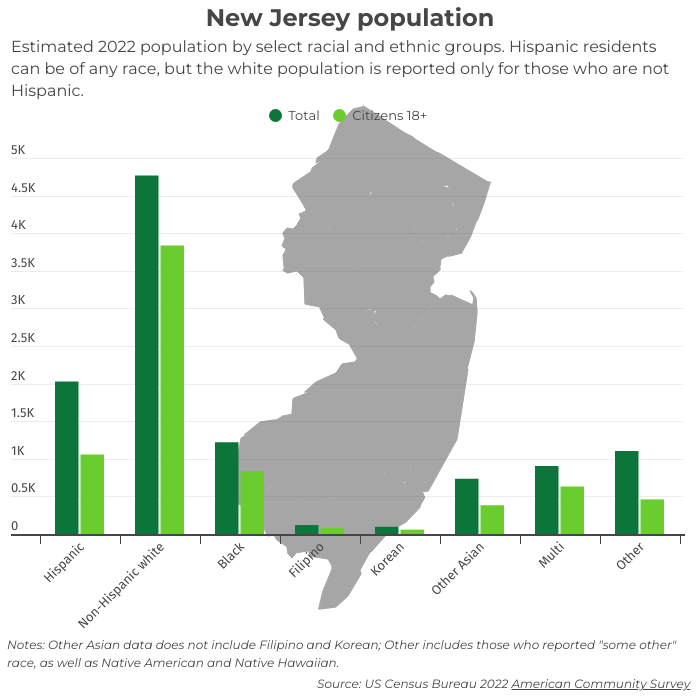
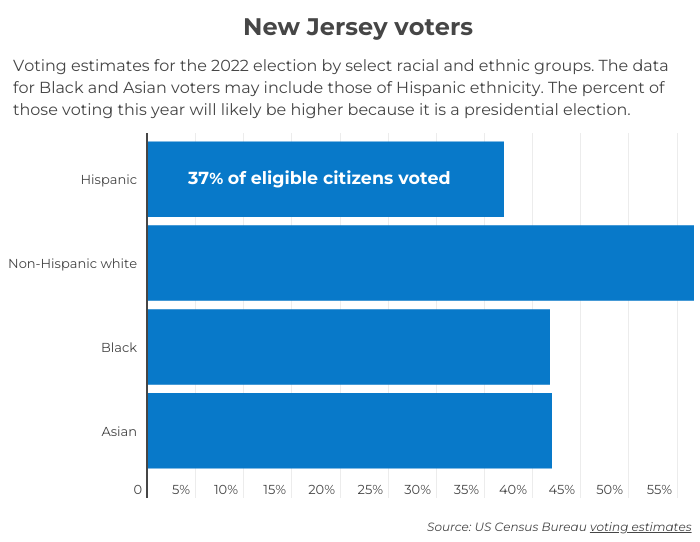
Numbering more than 2 million, Hispanic residents make up more than 20% of New Jersey’s population, meaning they are the second-largest racial or ethnic group after non-Hispanic white residents, according to the U.S. Census Bureau’s most recent estimates. The bureau reported that about 37% of the state’s Hispanic citizens who were eligible to vote cast ballots in 2022. That percentage is likely to rise this year because more people vote in presidential elections.
The choices made by Hispanic voters could impact the race and many who live in New Jersey are paying attention to the major-party candidates’ positions, not least on housing.
To solve the housing problem in the country, Vice President Kamala Harris, the Democratic candidate for president, has made increasing the nation’s housing stock a central campaign issue. Her plan to is to build 3 million new affordable homes, reduce rental costs and help thousands of workers to own their own home by giving $25,000 to first-time home buyers.
“This will help more Americans experience the pride of homeownership and financial security, offering more Americans a path to the middle class and economic opportunity,” the Harris-Walz campaign said in a statement.
Former President Donald Trump, the Republican presidential candidate, does not have a housing plan. During his first term in office, he acted to cut rental assistance programs, opposed increasing affordable housing and proposed rent increases for tenants who receive vouchers or live in public housing.
According to a report by the Brookings Institution, “the Trump administration’s first budget would have raised rents for up to 4 million low-income households by an average of $84 per month,” or more than $1,000 per year.
Under Trump, the Department of Housing and Urban Development in 2019 published a proposal in the Federal Register that would have required the verification of immigration status by all recipients of public housing assistance under age 62. HUD withdrew that proposed rule two years later.
Hit by high rents and unable to buy
New Jersey Hispano spoke with Hispanic residents in Newark, Paterson and Elizabeth, three of the state’s largest cities with significant Hispanic populations. Many said they have been impacted by skyrocketing rents and others said they have been unable to afford to buy a home.
Celestino Cárcamo, who was born in Honduras, has lived in an apartment in Elizabeth for almost 30 years. He lives with his children and can pay the rent with the support of his family. He has been unable to buy a house because his income is too low.
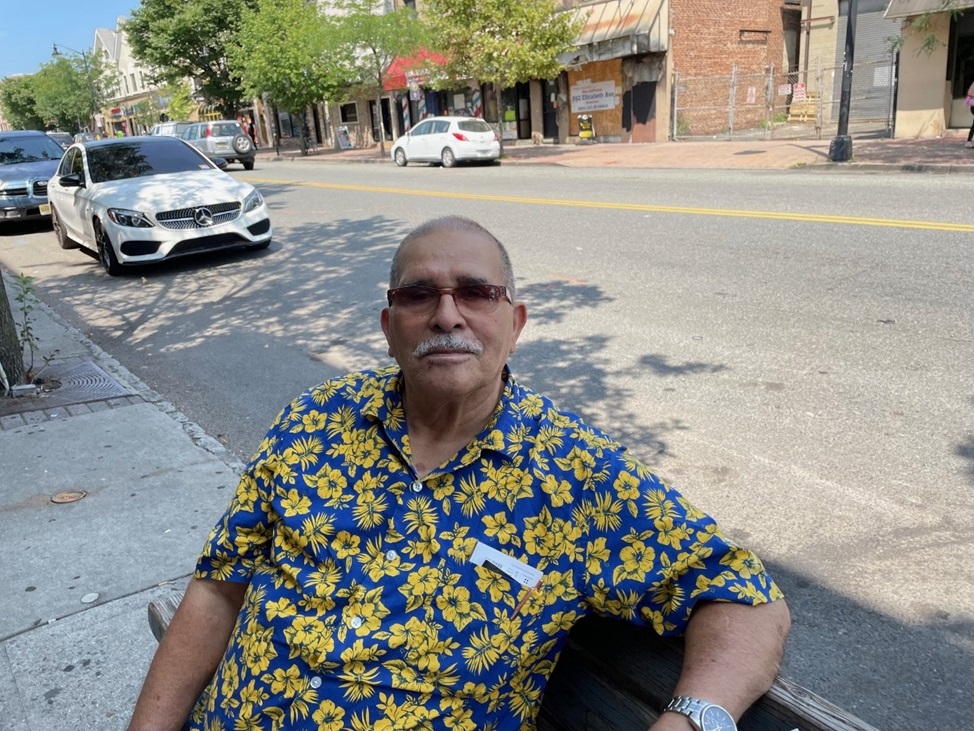
“Thanks to the fact that I have lived in that apartment since 1995, they only increase my rent by a small percentage each year,” said Cárcamo as he sat resting on a bench on Elizabeth Avenue.
His children were born in the United States and are U.S. citizens. Cárcamo cannot vote but has strong opinions about the election.
“I tell my children, don’t vote for Trump, I don’t like him at all, and he is racist, and he only talks about deporting people,” Cárcamo said. “Why would you give a gun to people who are going to hurt you? And then I tell them to vote for Kamala Harris. At least she is friendly, easy to deal with.”
Wanting to own a home
Ramón Tineo, who was born in the Dominican Republic, has lived in Paterson for about 45 years. During his time in Paterson, he bought his first home, and then bought two more, which he later had to sell. But, he explained, it is not as easy for him to buy property as it was before.
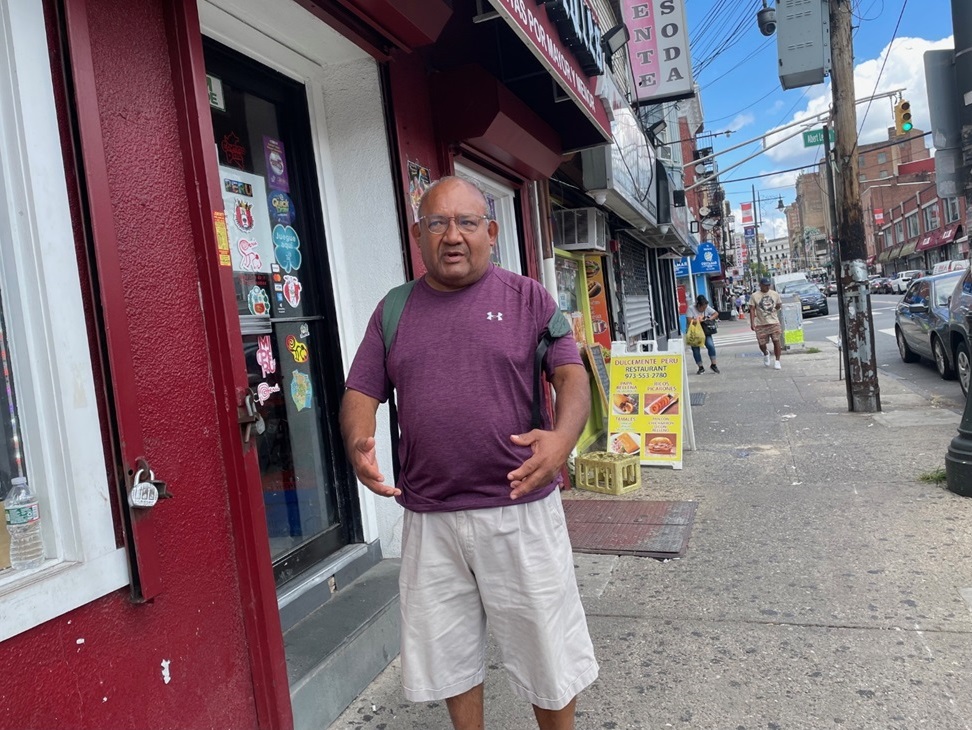
“It was easier to buy before but right now it is very difficult because it is so expensive and there are hardly many properties for sale. Also, the rent is very high,” he said. “Many people” are moving to to Florida and Pennsylvania, he added.
In the Pampa Bakery, on Market Street in Paterson, the Peruvian merchant Gloria Candioti, who has lived in a rented property in the city for 20 years, said she hopes to buy her own home.
“We rented in the same place for twenty years,” Candioti said. “I have thought about buying a property, but I have not been able to yet. There is a lot of demand now, interest rates have gone up, house prices have been higher. The average two-family home is very expensive. Right now, they give you 3% with FHA, but even with that it is difficult for the middle class, young adults, like me.”
Candioti said she will vote for Trump.
“I see the part that benefits me and my environment,” Candioti said. “I don’t lack work, I have a lot of work, and I pay my taxes, and I don’t want them to go to immigrants that just came here. They should also follow a process.”
Rodolfo Camarena, who emigrated from Peru, has lived in Newark for 23 years. He worked as a truck driver but had to leave that job because of the rising cost of vehicle insurance and worker’s compensation costs. Now, he drives a taxi and lives with his family in order to pay rent. He said he believes it is important to vote and will do so on Nov. 5, though he did not say whom he was supporting.
“Every politician brings grist to his mill,” Camarena said.
What’s being tried in Newark
Newark is making efforts to alleviate its housing problem. Earlier this year, Mayor Ras Baraka held the first-ever Homeownership Revitalization Program to award housing at a cost of $1 through a lottery drawing, starting with seven properties that needed to be renovated. Buyers must pay for the repair or construction of the homes but will receive a mortgage with a low interest rate to help them cover the costs. This is Newark’s effort to boost local homeownership and combat neighborhood blight. It is targeted at low- and moderate-income residents to close wealth gaps and prevent corporate investors from buying up homes and driving up the cost of rent.
“Across the United States, LLCs are buying up owner-occupied homes and converting them into expensive, corporate-owned rental units,” Baraka said at the time.
An analysis of the increase in institutional investor activity in housing in Newark, conducted by the Rutgers Center on Law Inequality and Metropolitan Equity in May 2022, found that nearly 50% of home sales in Newark between 2013 and 2020 were made to institutional buyers, including real estate companies Adar Capital, Lexington Property Group and Harness Homes Group. This situation is contributing to rent increases and the inability of all residents, including those of Hispanic ethnicity, to buy a home.
Doubting NJ will ever be affordable
Some people are discouraged and doubt that New Jersey will become a more affordable place to live.
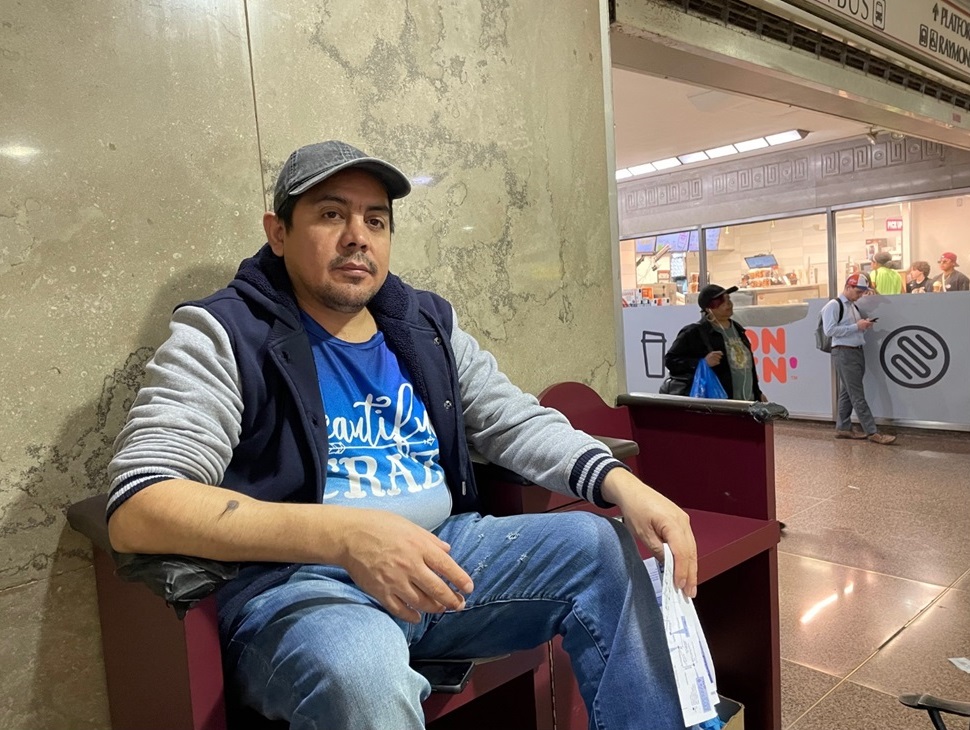
Marco Naranjo has lived in Newark for 17 years and has worked shining shoes for 15 years in Newark Penn Station. Rent is very expensive, he said, and he has no plans to buy a house because his income is low.
“I think I will buy my own house in my own country,” Ecuadorian-born Naranjo said. “The way life is here, I don’t think the price of rent will go down.”
Cover photo: In Paterson, Quanis Tolbart and her mother would like to buy their own home but have been unable to afford it. (Photo courtesy of New Jersey Hispano)
