
NJ Voters Guide: 32nd Legislative District

New Jersey’s 32nd Legislative District lies along the Hudson River. It covers Hoboken and northern Jersey City in Hudson County.
A Democratic stronghold, the district’s registered voters are majority Democratic — 52%. Just 12% of registrants are Republicans and most of the rest are unaffiliated.
A crowded Democratic primary ended with the defeat of Assemblywoman Jessica Ramirez, the only incumbent who filed to run. Hoboken Mayor Ravi Bhalla and Katie Brennan, a survivor of sexual assault and activist, won the nominations.
They are facing Republicans Stephen Bishop of Hoboken and Kaushal Patel.
Editor’s note: All candidates were contacted multiple times for the NJ Decides 2025 voting guide Q&As. Click on a candidate to see any answers provided.
The candidates
Age: 52 Hometown: Hoboken Occupation: Mayor of Hoboken Personal or professional background: The son of immigrants who came to the United States from India to work hard, pursue opportunity, and practice their Sikh faith in peace, I was born and raised in New Jersey. As an attorney, I focused on civil and tenant rights, receiving national recognition for leading a successful campaign to reform the federal government’s visitation policies at correctional facilities. As mayor of Hoboken, I have led on climate change–turning the city into a national model–investing in affordable housing and preventing traffic-related deaths on our streets. What is your top issue this year? Standing up to Donald Trump and fighting back to protect New Jerseyans from the illegal, unconstitutional and harmful actions of the Trump administration. That is what I am doing as mayor. My first action was to declare Hoboken a fair and welcoming city in the wake of Mr. Trump’s first term targeting of immigrants. Recently, I have joined with other mayors in filing amicus briefs challenging the administration’s moves to do away with health provider choice for Medicaid recipients and birthright citizenship. As an Assemblyman, I will fight to make New Jersey a stalwart bulwark of democracy, countering Trump actions. What are your specific proposals for making New Jersey more affordable? In the State Assembly, I will work to expand affordable housing, strengthen tenant protections, ensure that all New Jerseyans have quality health insurance, and limit fare increases. As mayor of Hoboken, I implemented measures to expand affordable housing options and successfully fended off efforts to weaken rent control. I was also one of the leaders in opposing NJ Transit fare increases and fighting for a robust permanent source of state funding. Do you support the state law designed to increase the amount of affordable housing and if not, how would you make housing less costly for residents? I do support the state law as a foundation, but we need to do more. As an Assemblyman, I will fight to promote affordable housing adjacent to transit stops, simplify the approval process, and roll back exclusionary zoning. I will also work for tenant protections, sponsoring legislation to put a statewide percentage limit on annual rent increases, and to ensure that all New Jerseyans faced with eviction who can’t afford a lawyer are provided one. How would you manage potential federal funding cuts to social services, health care, education, and other areas, particularly in light of the state’s budget challenges? First, I will advocate for strong and sustained legal challenges to the Trump administration’s illegal and unconstitutional unilateral cuts to funding authorized by Congress. We must give our attorney general the resources needed to continue working with fellow states’ attorneys general on these cases. I will also network with legislators in other states—red and blue—alike to build a coalition against cuts to Medicaid and other social services which will negatively impact low Americans in all 50 states. And I will use the expertise I have developed as a mayor to identify efficiencies in the delivery of services.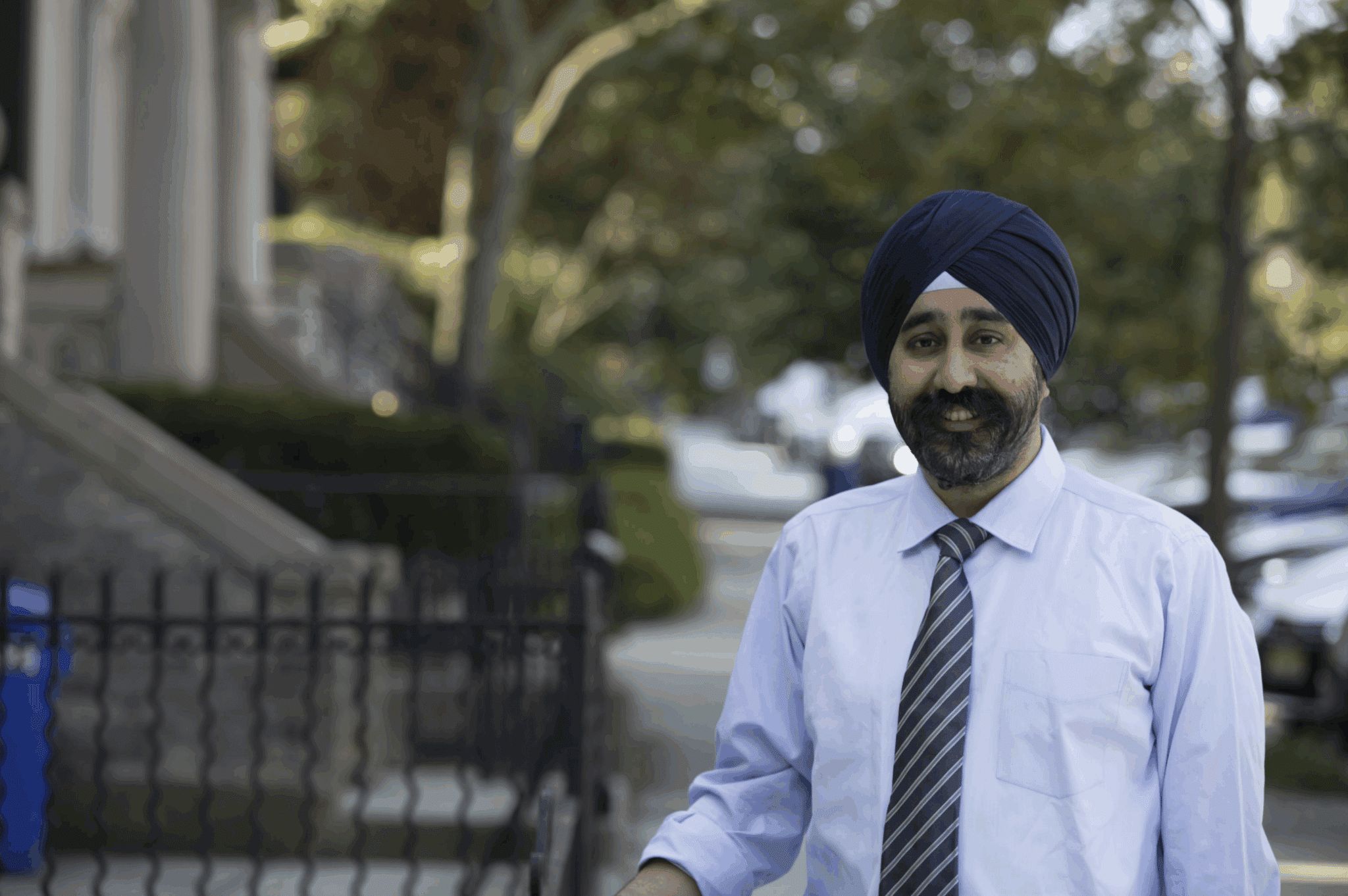
The candidate did not respond to the questionnaire.
Age: 37 Hometown: Jersey City Occupation: Housing Policy Specialist Personal or professional background: I’m a housing policy expert and community advocate, and I’ve spent my entire adult life fighting for affordable housing, tenant protections, and good government. Early in my career, I took on Governor Christie to save New Jersey’s affordable housing protections. Since then, I’ve worked in leadership roles at state and local housing agencies, helping secure historic funding for affordable homes across the state. As a community advocate, I fought alongside my neighbors to strengthen Jersey City’s affordable housing law and successfully defend Hoboken’s rent control. As a survivor of sexual assault, I helped pass more than a dozen laws to protect other survivors. I’m running to make government work for the people, not just political insiders. What is your top issue this year? Housing. This is the single biggest issue in New Jersey and the primary reason the state is unaffordable. We’re in a severe housing crisis that’s pricing out families, young people, seniors, renters, and homeowners alike. This is a complex problem that we’ll have to fight on multiple fronts: strengthening tenant protections, putting a stop to excessive rent hikes, taking on predatory landlords, ending the use of rent-setting algorithms, making it easier to build homes that families can actually afford, and increasing funding for affordable housing construction and assistance. We need someone in Trenton who understands the nuances of this crisis if we want to make New Jersey affordable for everyone. What are your specific proposals for making New Jersey more affordable? Housing is the largest monthly expense for most families, so we have to start there. For renters, this means stronger tenant protections, rent stabilization to prevent massive overnight rent hikes, the right to counsel in eviction court, and regulating rent-setting algorithms that are driving up prices. To make homeownership more accessible, we can discourage speculative purchases, help first-time buyers, and reform outdated policies that make it impossible to build naturally affordable homes. To stabilize property taxes, we need to fix the broken school funding formula that’s cut over $270 million from Jersey City. We also need a fairer tax code to fund better transit, bring college tuition down, and strengthen the safety net. Do you support the state law designed to increase the amount of affordable housing and if not, how would you make housing less costly for residents? Yes, because housing people who need homes requires actually building those homes. I strongly support the Mount Laurel doctrine and began my career fighting to protect this very law when Governor Christie tried to dismantle it. I also support complementary policies to address the housing shortage and encourage smart regional planning. By targeting new homes near mass transit and good-paying jobs, we can create vibrant and affordable communities while preserving open space and reducing traffic congestion. By reforming outdated zoning and building codes, we can encourage the construction of naturally affordable housing and starter homes. And by creating more supportive and transitional housing, we can end homelessness in New Jersey. How would you manage potential federal funding cuts to social services, health care, education, and other areas, particularly in light of the state’s budget challenges? The Trump administration’s cuts to previously approved funds are not only illegal but could ruin New Jersey’s economy, so we have to fight back with all the leverage we have. First, I would create a New Jersey Defense Fund to keep essential programs going when federal funding is cut. This reserve would make sure we’re not abandoning our most vulnerable neighbors or abandoning public services that keep our economy running. Second, I would work with the Governor and Attorney General to challenge these attacks in court and withhold federal tax payments to backfill any illegal cuts, dollar for dollar. This is about dollars and sense, and what we value as a state. No one should lose their job, health care, or housing over this.
The candidate did not respond to the questionnaire.
