NJ Voters Guide: 1st Legislative District
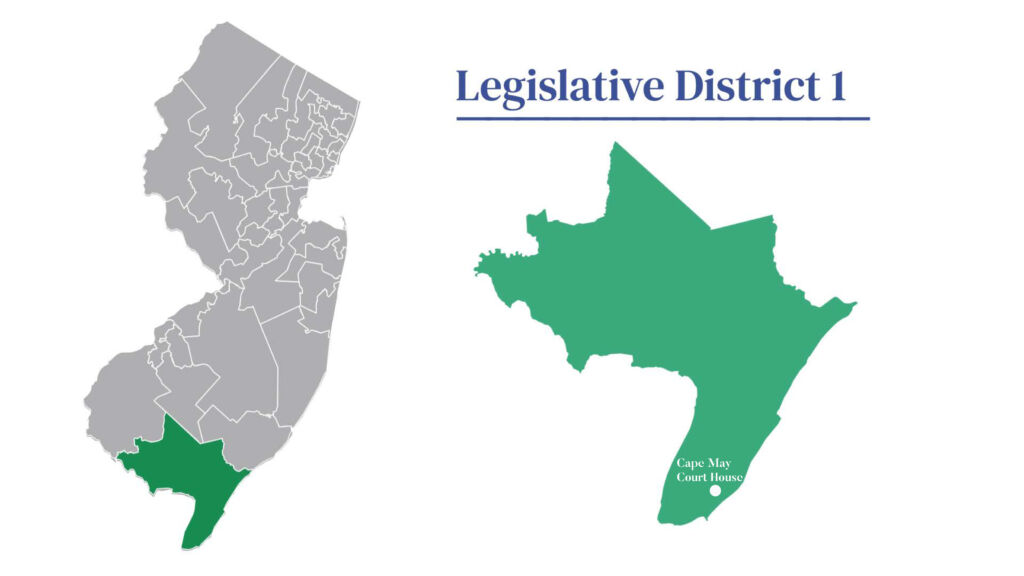
New Jersey’s 1st Legislative District is the southernmost in the state. It covers Cape May and parts of Atlantic (Corbin, Estell Manor and Weymouth) and Cumberland (Bridgeton, Commercial, Downe, Fairfield, Lawrence, Maurice River, Millville and Vineland) counties.
Currently represented by Republicans, GOP registrants outnumber Democrats: About 35% of registered voters are Republicans, compared with 29% Democrats and most of the rest are unaffiliated.
The Republican Assembly incumbents were uncontested in their primary. They are Erik Simonsen, director of athletics at Lower Cape May Regional School District and former mayor of Lower Township, and Antwan McClellan, who works for the Cape May County Sheriff’s Office and is a former Ocean City councilman.
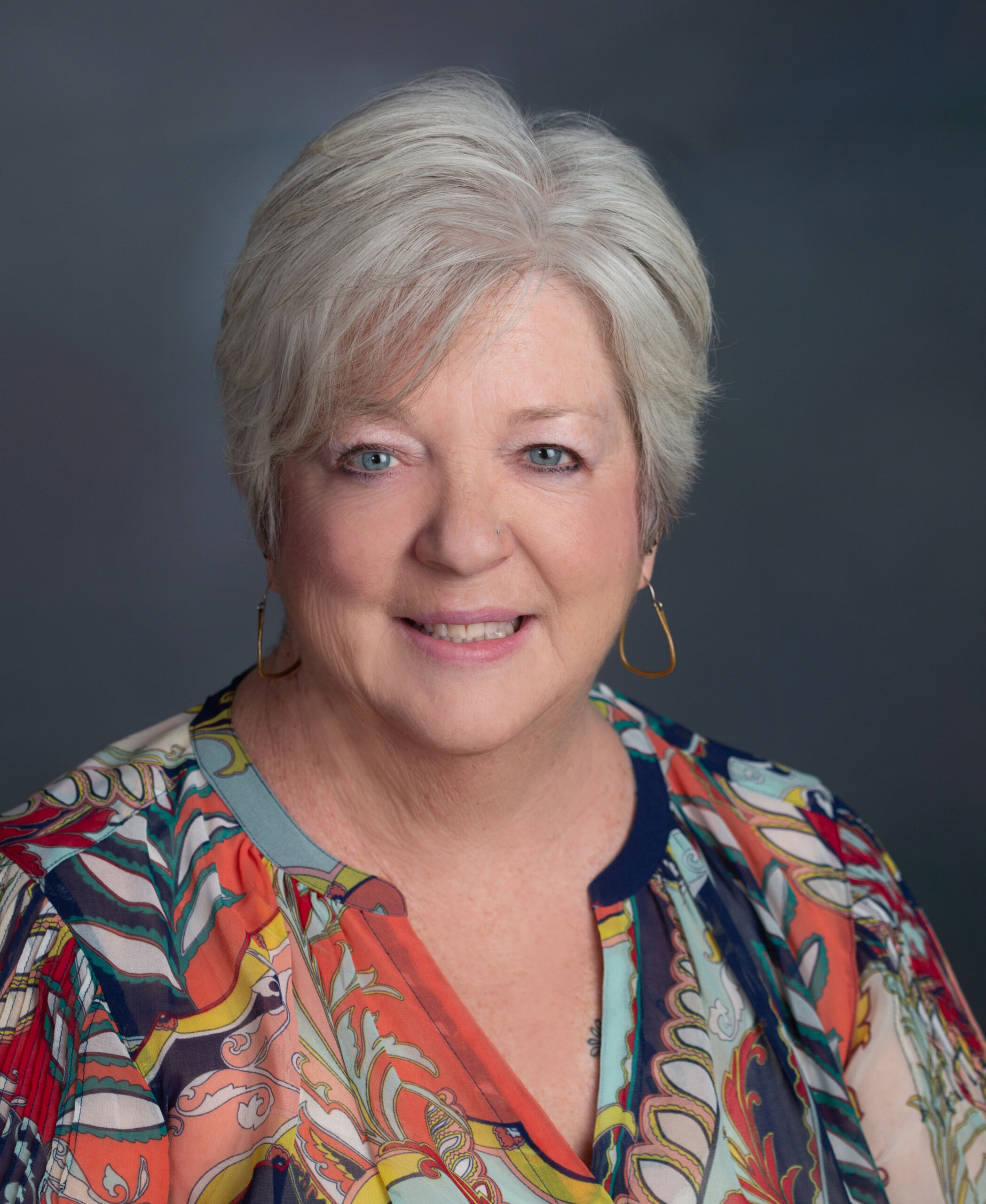
Winning the Democratic primary were Carolyn Rush, a retired engineer from Sea Isle City who ran on the Democrats for Change ticket, and Carol Sabo of West Cape May.
Editor’s note: All candidates were contacted multiple times for the NJ Decides 2025 voting guide Q&As. Click on a candidate to see any answers provided.
The candidates
The candidate is an incumbent. He did not respond to the questionnaire.
Age: 63 Hometown: Sea Isle City Occupation: Retired Engineer Personal or professional background: The 6th of 7 children in a working-class family, I understand the power of shared sacrifice & cooperation. I’m a proud mother of 5 grown children and grandmother to 7. With a BS in Computer Science, I had a 35-year engineering career in the Intelligent Transportation Industry, working on the EZPass innovation, and the Defense Industry, working on Aegis. I held multiple engineering management positions & mastered the art of bringing together diverse teams to solve complex problems. Community service has always been a cornerstone of my life. I coached youth sports, volunteered in my children’s schools. As co-chair of the Eileen Frank ALS Foundation, I helped raise over $1M to fund ALS research. I am a problem solver & strong team player. What is your top issue this year? In my opinion the single most important issue facing New Jersey today is preserving our state’s rights. I say this in the face of a federal administration that is looking to take away our rights. The other critical issue facing NJ is affordability in general and specifically as it pertains to housing. So many people cannot afford to purchase or even rent a home. This is driving up homelessness and keeping many people from getting ahead. What are your specific proposals for making New Jersey more affordable? To make NJ more affordable, I support the following: Do you support the state law designed to increase the amount of affordable housing and if not, how would you make housing less costly for residents? To address housing affordability, I would support legislation requiring municipalities to abide by the Mt. Laurel Doctrine, considered to be one of the strongest frameworks in the country to prevent and address residential segregation. The Mt. Lauren Doctrine outlawed exclusionary zoning and required a “Fair Share” of all developments to be affordable based on a municipality’s regional need for housing (at least 13%). Originally, the Council on Affordable Housing (COAH) oversaw compliance but was removed from the statute. I would push to reinstate COAH. I would also support legislation to allow Accessory Dwelling Units (ADUs) in NJ. ADUs are independent living spaces built on the same lot as a single-family home. How would you manage potential federal funding cuts to social services, health care, education, and other areas, particularly in light of the state’s budget challenges? To protect programs that traditionally received federal funding but may not under Trump, I plan to introduce legislation to protect NJ State Rights. The legislation will allow NJ to funnel federal income tax withheld from NJ Residents’ paychecks into a NJ State Trust Fund. Any expenses the state incurs as a direct result of federal cuts will be paid out of the NJ State Trust Fund. At the end of the fiscal year, any remaining money in the NJ State Trust Fund will be sent to the federal government. As a state, NJ has aways paid more in federal tax dollars then it has received back in services from the federal government. We have accepted that inequity for years but cannot accept an additional cut in services because the president is a racist.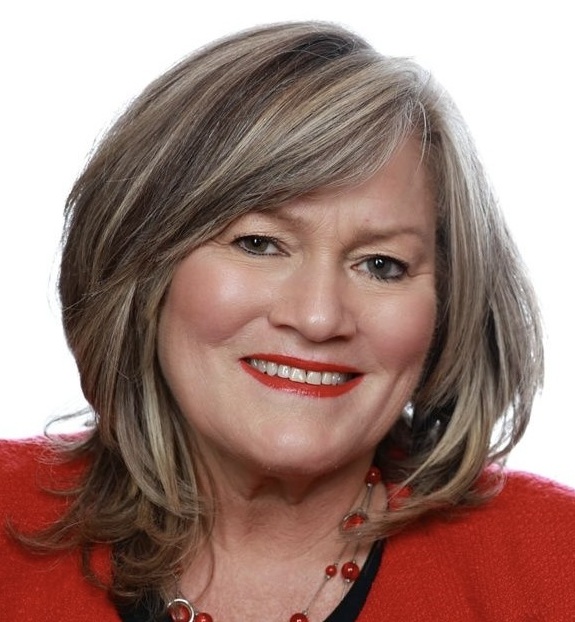
The candidate is an incumbent. He did not respond to the questionnaire.
Age: 62 Hometown: West Cape May Occupation: Social worker Personal or professional background: I am a retired social worker with 33 years of public service. I have been a staunch pro-union supporter and union member all of my career. My work has always been to advocate for the needs of children and families in this state. I have been a commissioner/mayor in West Cape May since 2013. What is your top issue this year? While speaking to residents of District 1, the most pressing issue seems to be healthcare. People who receive their healthcare through the affordable care act, or those who are on medicare/medicaid are deeply concerned about the cuts to those programs. Second, the issue of affordability. It is important to make sure that there are programs to help seniors and families stay in their homes. What are your specific proposals for making New Jersey more affordable? Continue the senior tax freeze, support and expand affordability programs through the public utilities, (energy assistance) Do you support the state law designed to increase the amount of affordable housing and if not, how would you make housing less costly for residents? Absolutely..some municipalities would not willingly participate. This legislation mandates their participation. How would you manage potential federal funding cuts to social services, health care, education, and other areas, particularly in light of the state’s budget challenges? The state needs to prepare for these cuts by prioritizing funding and being prepared for them. If these cuts are made by the federal government, the legislature needs to be prepared to possibly access surplus funds or postpone some projects in order to provide critical services.