
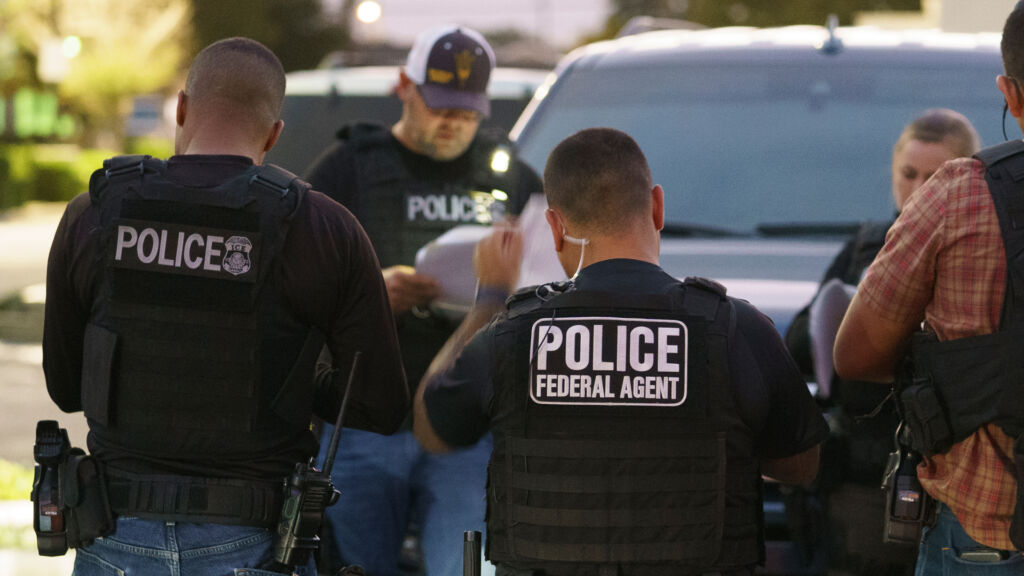
New Jersey school officials are raising alarm bells about what President-elect Donald Trump’s second term could mean for undocumented students and families.
Immigration and Customs Enforcement agents are currently prohibited from entering schools under the U.S. Department of Homeland Security’s long-standing policy, but this could change under Trump. School superintendents are preparing to work with the state Department of Education, local law enforcement officials and their school board attorneys to determine how they can best support undocumented students and families.
“Although I don’t think they’re going to start rounding up students at schools, I do think, nevertheless, we should be prepared in case it happens. There’s no substitute for being prepared,” said school board attorney Marc Zitomer, who represents about 60 districts.
Under current federal policy, ICE treats schools, hospitals and churches as “sensitive” areas where immigration agents cannot make arrests except in extraordinary circumstances. NBC News reported that Trump plans to rescind the long-standing policy as soon as his first day in office.
‘Uncharted territory’
The policy dates to 2011 and continued throughout Trump’s first term. In 2021, President Joe Biden’s administration issued guidance expanding areas that require special protection. Just as Biden made changes through guidance to ICE, Trump could do the same. Changing that guidance does not require an act of Congress.
The state Education Department is working with other state agencies to provide guidance to school districts. For now, districts should continue following state and federal law while awaiting further news and instructions, Zitomer and another school board attorney said.
About 41% of New Jersey children are part of immigrant families, according to a 2024 report from the Annie E. Casey Foundation. Of these children, 35% have parents who are not U.S. citizens.
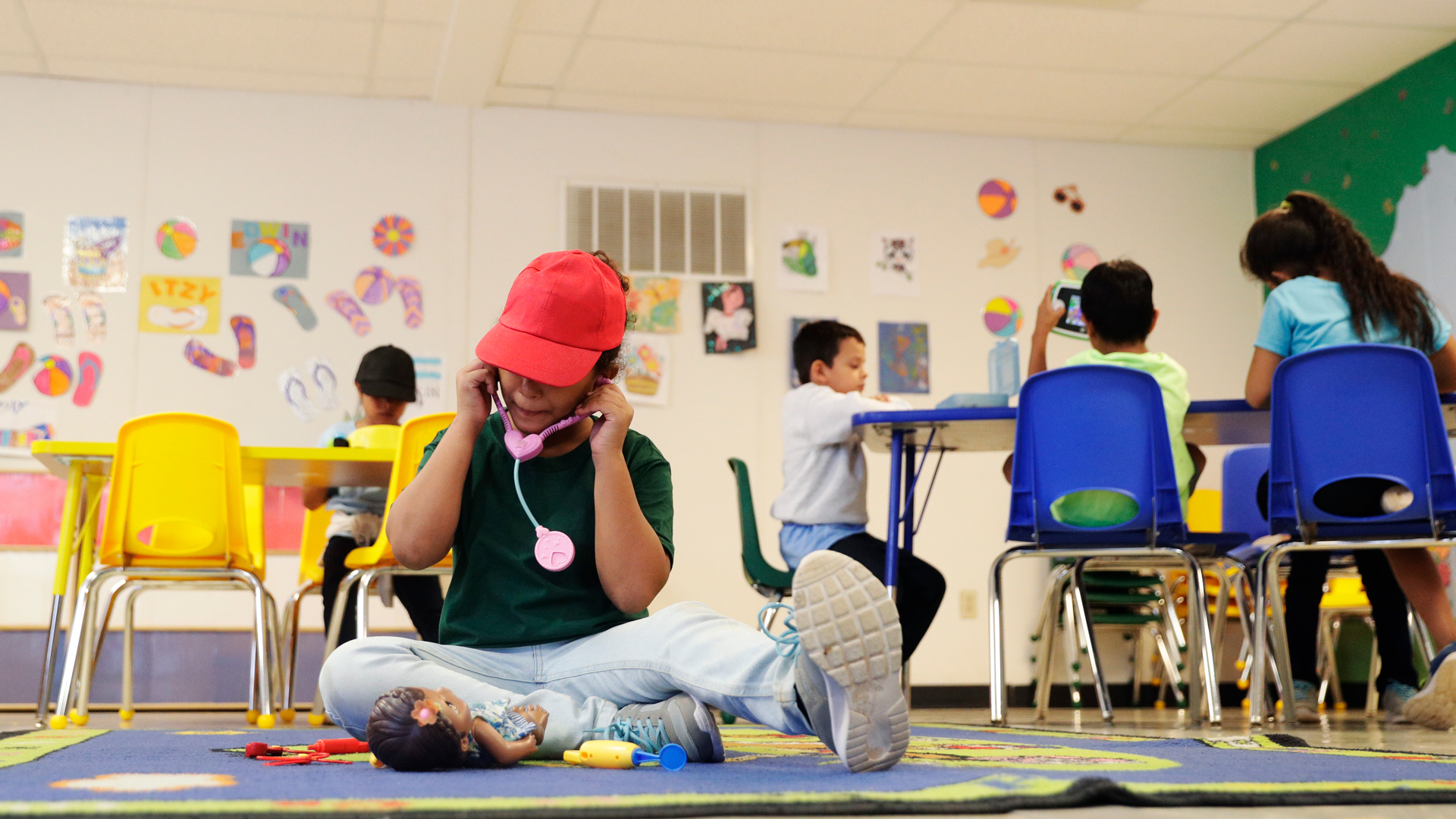 Credit: (AP Photo/Eric Gay)
‘Reason to be concerned’
Elyla Huertas, senior staff attorney at the American Civil Liberties Union of New Jersey, said this means an increase in enforcement actions by ICE could impact a lot of families in the state and disrupt the lives of many students.
“We think school administrators and teachers have reason to be concerned about the impact the incoming Trump administration could have on families that have undocumented family members,” Huertas said.
The ACLU is advising districts not to collect or maintain information on students’ immigration status, which isn’t needed to enroll in a school, Huertas said.
‘Although I don’t think they’re going to start rounding up students at schools, I do think, nevertheless, we should be prepared in case it happens. There’s no substitute for being prepared.’ — Marc Zitomer, a school board attorney who represents about 60 districts
In the 1982 landmark Supreme Court case Plyler v. Doe, the court ruled that undocumented students are entitled to attend school in their local districts. State regulations prohibit school districts from denying enrollment based on the immigration status of a student or their parent. The Department of Education shared a memo with school districts reiterating this at the start of the school year.
Law enforcement officials are not usually entitled to student records, school board attorney David Rubin said in an interview with NJ Spotlight News. Districts have a responsibility and ability to cooperate with federal authorities without violating people’s rights, he said.
What happens in NJ
New Jersey schools and law enforcement agencies follow a uniform memorandum of agreement that details how education officials and local law enforcement should cooperate to protect the educational environment.
Zitomer said that while this is a state document, it offers many best practices that districts can apply to their relationship with federal law enforcement agencies. Rubin noted that federal law takes precedence over state law, with the U.S. Constitution carrying the most weight.
Zitomer and Rubin, whose firm represents about 100 districts, said they are already hearing from school superintendents with questions about what changes to immigration policy could mean for their students.
The attorneys told NJ Spotlight News that they are waiting for state guidance before offering specific recommendations to districts. Zitomer said it would be premature for districts to start revising their policies before hearing from state officials. Rubin said he is advising districts that things are about to change, and they should be nimble enough to move quickly once they have the information they need from federal and state government.
