
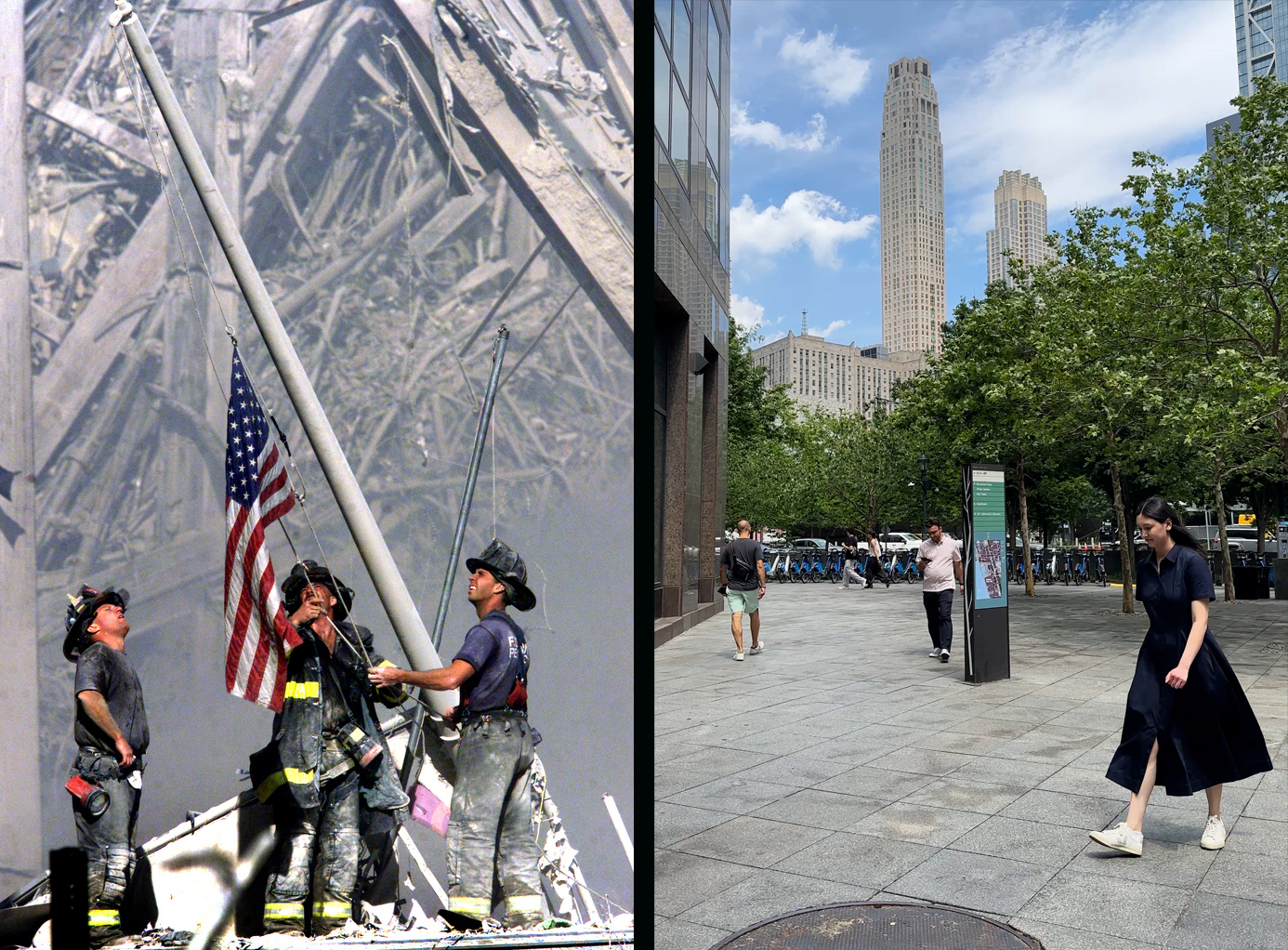
 Credit: Photo by Thomas E. Franklin
For most of my students at Montclair State University, Sept. 11 is not a memory. It is history — something they learned about in school or heard about from their parents and grandparents.
For me, it has never become the past. I witnessed and photographed that tragic day firsthand, and even after 25 years, the memories remain as vivid as ever, especially at this time of year. This anniversary has felt particularly intense, with more media requests and interviews than I have received in recent years.
For several years, however, I had stopped showing my photographs and sharing my experiences with students. As time passed, I sensed their connection to Sept. 11 growing more distant as the attacks moved from lived experience into collective memory.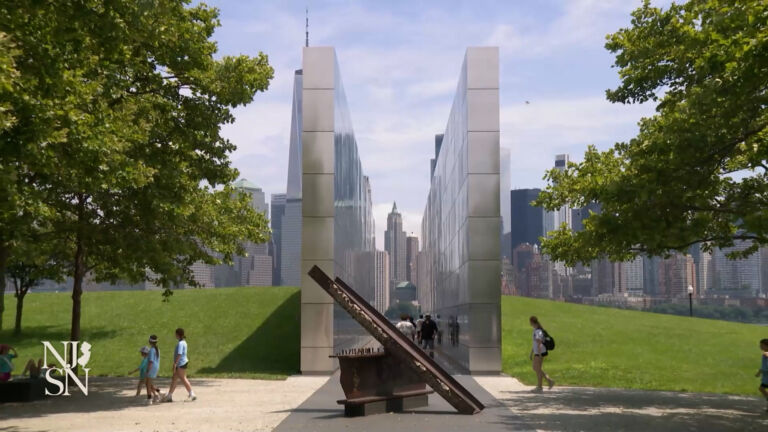
On the 25th anniversary, however, I felt compelled to tell the story again. I showed my photojournalism students the photographs I made that day and spoke about what I witnessed. I also presented my work in our school auditorium to students from two colleagues’ classes.
Something felt different this time. I made a connection.
Shrinking industry
Perhaps the attention surrounding the 25th anniversary made the history feel more immediate, but I sensed a stronger connection among students who had not yet been born when the attacks occurred. We discussed the vital and unflinching work of the photojournalists who documented the attacks and their aftermath, creating a visual record that included moments almost too horrific to describe.
We also discussed why photojournalism remains essential today, even as the news industry shrinks, local coverage is reduced to a handful of hyperlocal outlets and professional opportunities become increasingly scarce. We have seen its enduring power in images of the recent protests at Delaney Hall, immigration crackdowns across the country and other unfolding events. Strong, gritty, street-level documentary photography remains as powerful — and as necessary — as ever.
 Credit: Thomas E. Franklin
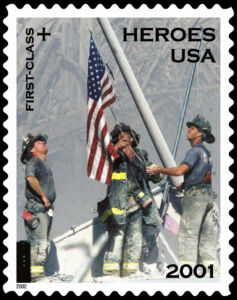
Twenty-five years ago, while working as a staff photographer at The Record, I photographed three firefighters raising an American flag above the ruins of the World Trade Center. The moment lasted only a few minutes, but the image continues to resonate a quarter-century later.
The photograph appeared in The Record the following morning and on the cover of Newsweek later that week. It spread around the world before any of us used the word “viral,” appearing in murals, monuments, ornaments, bumper stickers and countless other forms.
I am especially proud that it was featured on a U.S. postage stamp that raised more than $10 million for those affected by the attacks. The image has been preserved in the Library of Congress, featured in documentaries and displayed at the 9/11 Memorial & Museum. It also inspired the 40-foot To Lift a Nation monument in Maryland.
But we must never lose sight of what the photograph represents. Although it may offer hope and resilience, it emerged from unimaginable loss. Thousands of innocent people died that day, including firefighters and other first responders who rushed into the burning towers to save others — many never returning home.
Over the years, I have returned to document several anniversary ceremonies and the continuing consequences of the attacks. These are not assignments I relish.
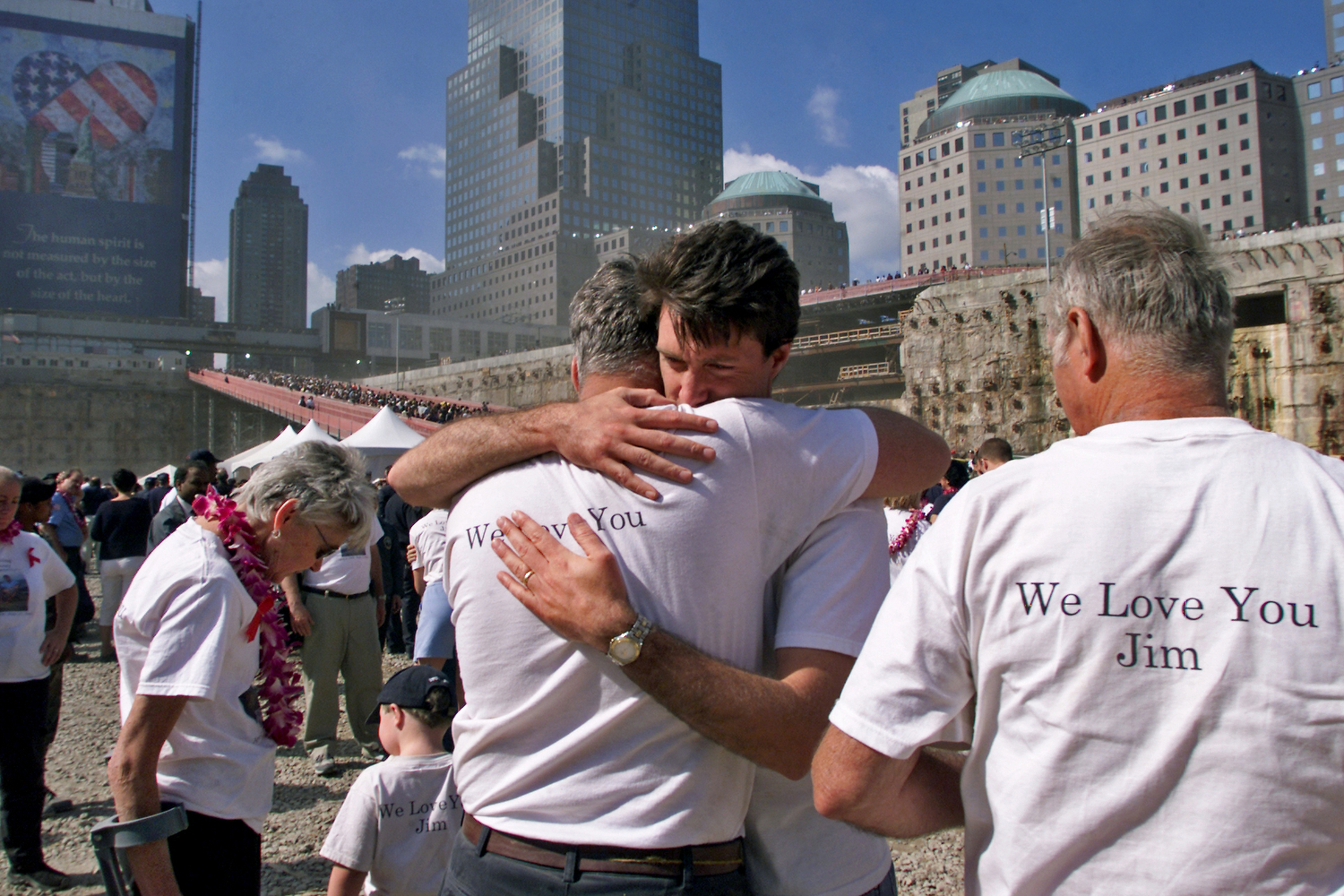
The first anniversary was the most difficult assignment I have ever covered — more painful, in many ways, than Sept. 11 itself. Thousands of family members gathered at what was still a raw excavation site known as “the pit.” They hugged and cried. The initial shock had faded, but the grief was overwhelming. I remember making photographs through my own tears.
 Credit: Photo by Thomas E. Franklin
I photographed one family wearing matching T-shirts that read, “We Love You, Jim.” I later learned that Jim was James Brian Reilly, a young bond trader who had attended my high school in Huntington Station, New York. I knew his sister. Suddenly, the loss felt even closer to home.
‘Memory of time’
The impact of Sept. 11 did not end when the recovery operation ended. I continued photographing the struggle to secure medical care and financial support for first responders and others exposed to toxic dust at Ground Zero.
It is staggering to consider that more people have now died from post-9/11-related illnesses than died in the attacks. Among them was my childhood friend Sean Corry, who passed away in 2024.
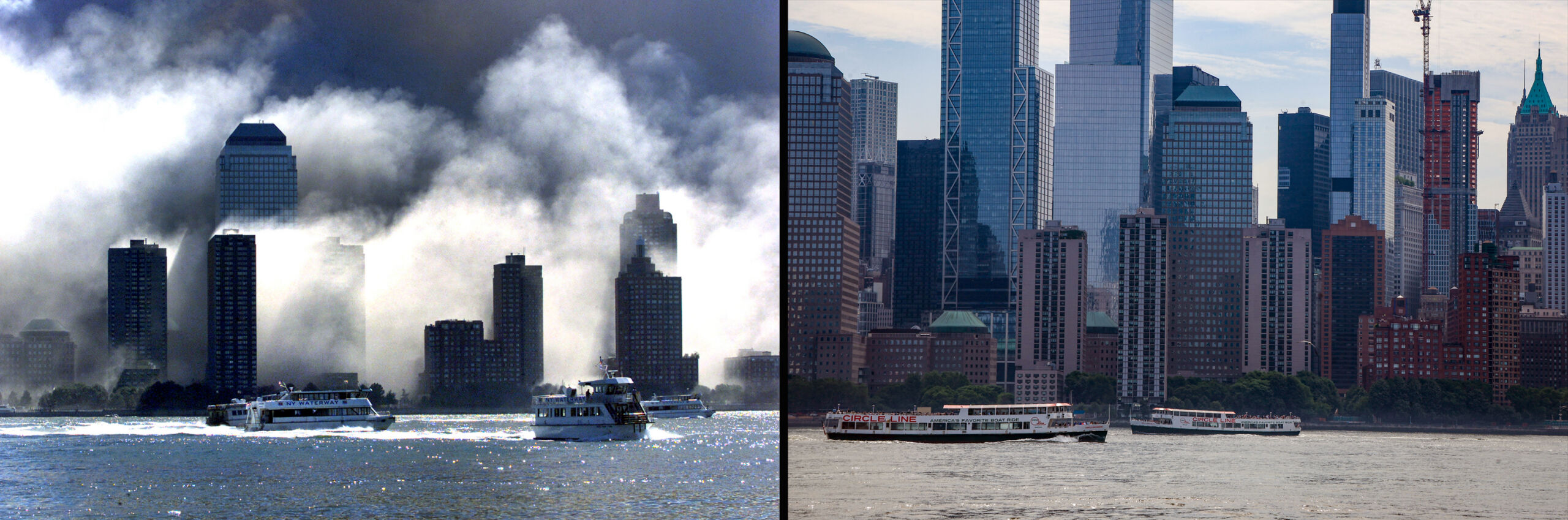
Recently, I returned to the 9/11 Memorial. The reflecting pools now occupy the footprints of the Twin Towers, surrounded by the names of those who were killed. The site is green and peaceful, but its emotional weight remains. Whenever I visit, I find James Reilly’s name. It is sacred ground.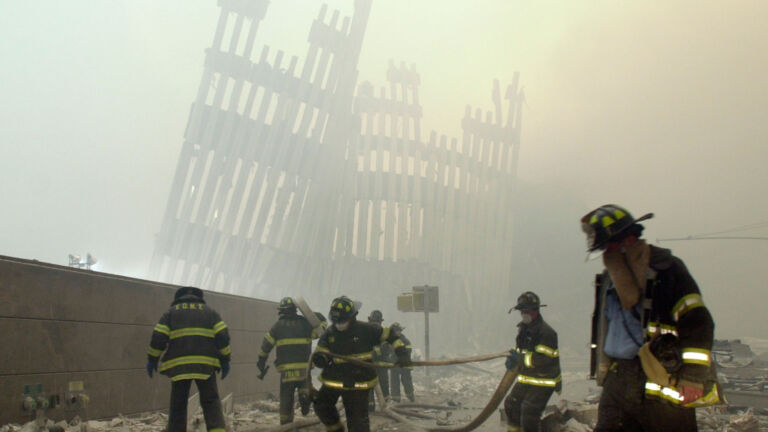
I also recently participated in a panel discussion inside the 9/11 Museum. I was again struck by how respectfully and powerfully its photographs, artifacts and firsthand accounts convey both the enormity of the attacks and the individual lives lost.
As visitors descend into the museum, they pass a monumental inscription from the Roman poet Virgil:
“No day shall erase you from the memory of time.”
Those of us who witnessed Sept. 11 must keep those memories alive for future generations. We must also remember the unity, kindness and compassion that followed — a sense of shared humanity our divided country needs now more than ever.
 Credit: Photo by Thomas E. Franklin