
 Credit: (AP Photo/Matt Slocum, File)
From the Atlantic City Expressway to the George Washington Bridge, motorists are now being charged higher tolls on many roads and bridges throughout New Jersey.
The latest round of toll increases that coincided with the start of a new year includes hikes now in effect up and down the well-traveled New Jersey Turnpike and Garden State Parkway.
In addition to the New Jersey Turnpike Authority, which operates both the Turnpike and Parkway, other public transportation agencies that enacted toll hikes now in effect include the Port Authority of New York and New Jersey and the Delaware River Joint Toll Bridge Commission, according to public records and notices.
In some cases, the toll increases have come as the result of written policies that generally allow for the implementation of modest, annual hikes that are intended to keep up with inflation and head off the need for larger, one-time increases.
But as a new year begins, motorists are being hit with more than just toll increases.
New Jersey’s per-gallon gas tax also just went up by 4.2 cents on Jan. 1, across the state.
That increase, which sets the per-gallon rate for gasoline at 49.1 cents for 2026, is the result of a state law that ties the per-gallon tax to the cost of funding ongoing road, bridge and rail infrastructure improvements.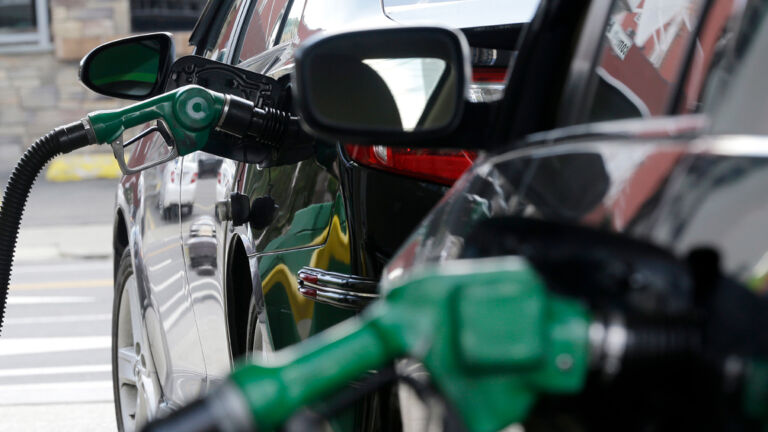
The gas tax and toll increases come as officials at public transportation agencies throughout the region have pointed to inflation as a key cost-driver.
In addition to addressing state of good repair and safety needs, the latest annual budget adopted by the New Jersey Turnpike Authority refers to “significant inflationary impacts,” according to agency budget documents.
Meanwhile, the latest budget documents made public by the Port Authority of New York and New Jersey also point to “continuing inflationary impacts” on both operating and capital expenses.
The Port Authority’s latest toll hikes have hit motorists at Hudson River crossings, including the George Washington Bridge and Holland and Lincoln tunnels.
In all, annual inflation was up by nearly 3% as of the end of November, according to the latest data released by the federal Bureau of Labor Statistics. But since early 2020, inflation is up by more than 24%, according to a Bankrate analysis of the federal data.
Like many residents, public transportation agencies also like to incorporate some predictability into their long-term planning, said Philip Mark Plotch, a principal researcher and senior fellow at the nonpartisan Eno Center for Transportation. This includes how they will keep up with inflation.
“Nobody wants to raise fees,” Plotch said. But the alternative may be that “you’re cutting maintenance,” he said.
“You’re not going to have roads that are safe, as reliable, and you can have facilities that cost more to maintain” in the long run, Plotch said.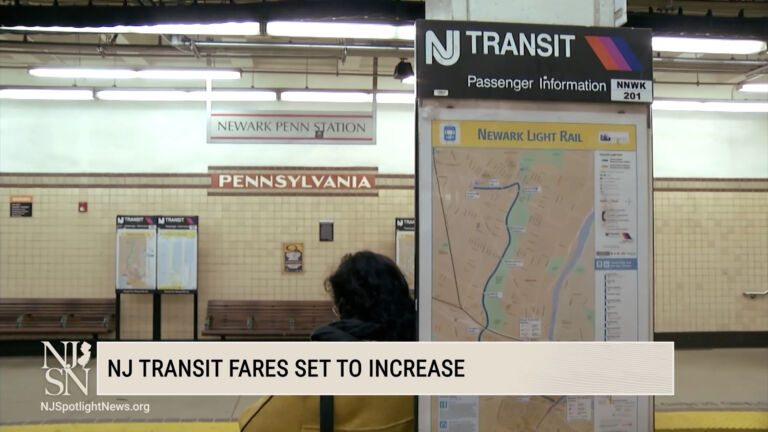
Another important concern is an agency’s credit rating, which is a key factor in determining how much it will cost to issue bonds that are used to finance long-term investments in the infrastructure itself. Having policies on the books that allow for regular increases can help “depoliticize” those decisions, while also pleasing the analysts at top Wall Street credit-rating agencies.
“Every toll increase can become a political fight, whether it’s the governor, or legislators, or activists, they (can) step in and really fight it, and when they do, it makes it harder for the transportation agencies to borrow money, and it makes it harder for them to plan,” he said.
“And then it makes it harder for them, obviously, to raise the money to do what they need to do,” said Plotch, who coauthored a book on the Port Authority called “Mobilizing the Metropolis: How the Port Authority Built New York.”
In New Jersey, the revenue generated by tolls typically goes right back into each transportation agency’s operating and capital budgets. However, a portion of the revenue generated from Parkway and Turnpike tolls also helps support New Jersey Transit’s operating budget.
Meanwhile, revenue generated by the state gas tax must be used, under the New Jersey Constitution, to support the state Transportation Trust Fund. That account is separate from the state budget and funds billions of dollars in annual spending on road, bridge and rail infrastructure improvements.
Exactly how much is spent annually on the infrastructure improvements is set in state law, and that same law calls for the gas-tax rate itself to move up or down, depending on whether there will be enough money available to keep planned infrastructure spending in balance.
That approach stands in contrast with how the Congress has handled the federal gas tax, which has been held flat at 18.4 cents per-gallon since 1993.
But there can be tradeoffs for the public in exchange for having such a long holiday from federal gas-tax increases, according to Plotch.
“People in the United States often complain about the quality of our roads, right? Whether it’s potholes, or they don’t like the lighting, or the bridges are old, or there’s a lot of traffic,” he said.
“A lot of Americans don’t understand there’s great public transportation around the world until they leave the United States and go somewhere else, and there’s a reason,” Plotch said. “If you keep your gas taxes low and you don’t want to charge people a lot of money for the infrastructure, it’s just not going to be all that great.”
