
 Credit: (NJ Spotlight News)
Four in five New Jersey parents who want afterschool child care can’t enroll their children, according to a new survey.
Cost is the most common barrier, followed by accessibility, parents said in the survey. Many low-income New Jersey families have relied on state subsidies to bring down the cost, but the child care assistance program is now closed to new applicants. State lawmakers declined to fund the full cost of the program in the latest annual state budget, although lawmakers introduced legislation to fully fund the subsidies.
Child care offers widespread benefits to parents and children, allowing parents to work while knowing that their kids are safe, learning and socializing with their peers.
“There’s far reaching impact that after school and out of school time has on the state overall and how we’re able to function and support our families and the adults that take care of the youth,” said Ebony Grace. Grace is the CEO of NJSACC: New Jersey’s afterschool and out-of-school time professional network, a nonprofit advocacy group working to better care for students outside of schools.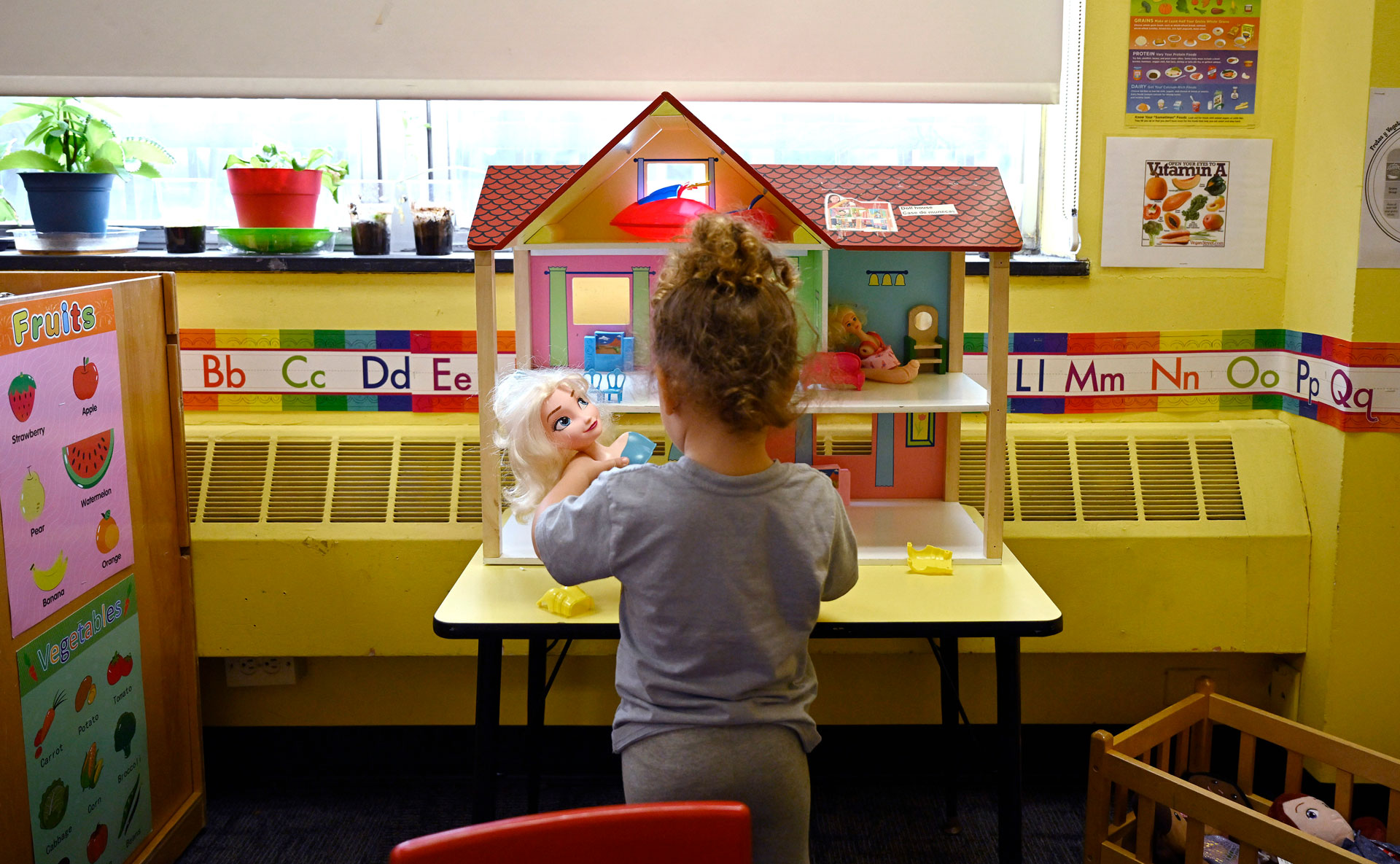
New Jersey is one of the states with the highest cost of living, in large part due to high real estate and rental costs. Families typically spend an average of 19% of their monthly budget on child care, which is far more than the 7% considered affordable under federal guidelines.
And due to the high costs and limited access to programs, most families who want child care can’t enroll their kids, according to the survey called America After 3PM. The most recent version of the survey is the first conducted following the COVID-19 pandemic and examines 20 years of data.
Almost 60% of New Jersey parents said cost is the biggest barrier to child care. Nearly half cited accessibility, with programs being inconveniently located compared to home, school and work. Parents of more than 700,000 New Jersey children want afterschool programs, but only around 150,000 are enrolled, according to the survey.
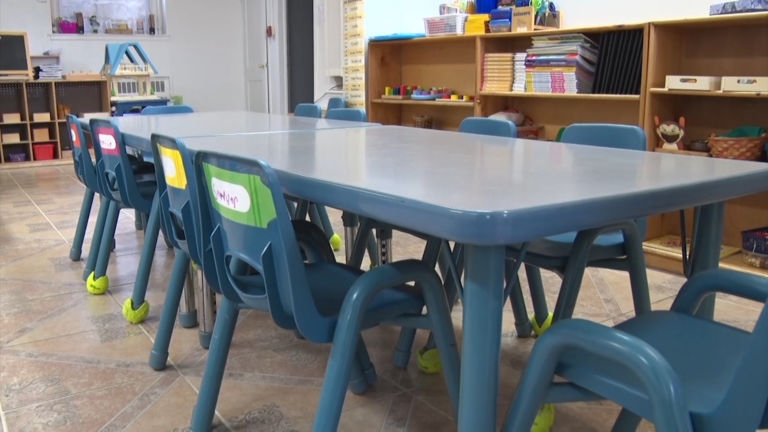
Children in low- and middle-income families are more likely to be without afterschool programs, according to the survey. And it’s not because these parents don’t see the value of such programs, Grace said. Parents need to make tough decisions about what they can afford, especially as state support for child care has fallen, she said.
Without additional state funding to keep up with demand, more programs must charge fees for families to enroll. The state’s child care subsidy program closed to new applicants on Aug. 1. The program offers families earning less than 100% of the federal poverty line free child care, while eligible families with a higher income pay a copay that is equal to about 6% of their family’s income.
Joan Dillon, executive director of Glassboro Child Development Centers, said the new limitations has been difficult for families who did not get approved for subsidized child care before the program closed to new applicants.
One family who already sends two children to Glassboro Child Development Centers was expecting a third child over the summer, so they joined the waitlist for the infant program. The mom gave birth at the beginning of July but since children aren’t eligible for child care until six weeks, the family could not apply for the state subsidy by the July 31 deadline, Dillon said.
“It breaks your heart because we’re not able to serve them,” Dillon said.

Most of the families the center serves are working but still make less than they need to make ends meet. Dillon said she has received questions and complaints from families about the switch to a fee-for-service model after the program used to be free.
State Sen. Britnee Timberlake (D-Essex) and Angela McKnight (D-Hudson) introduced legislation to reopen the child care subsidy program to new applicants by adding $28 million to the state budget for the current fiscal year. The bill would reopen the child care assistance program to new families and return copays to last year’s lower rates.
Leaving the shortfall unaddressed could force families to make impossible choices and destabilize child care providers across the state, Timberlake said in a statement.
“As a legislator and a mother to children of day care age, I know firsthand the crushing impact these child care cuts and copay increases will have on working class families across New Jersey,” Timberlake said in a statement. “The Child Care Assistance Program isn’t a luxury – it’s a lifeline for parents striving to stay employed while raising young children.”
